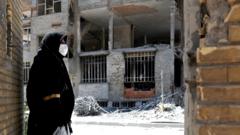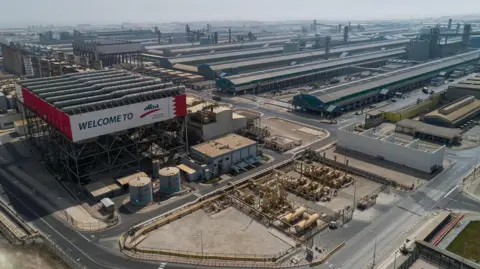
As the US-Israel war against Iran progresses into its fifth week, Gulf nations report a surge in Iranian attacks, particularly focused on vital industrial infrastructure. The UAE has acknowledged injuries sustained from strikes on an aluminium facility in Abu Dhabi, as Emirates Global Aluminium assessed substantial damage to its operations.
In a related incident, Aluminium Bahrain confirmed that two employees were wounded due to an Iranian attack on one of the largest aluminium smelting operations globally. These developments coincide with the involvement of Yemen's Iran-backed Houthis, who have commenced missile attacks targeting Israel and signaled a willingness to disrupt shipping in the Red Sea, potentially exacerbating existing tensions and economic instability.
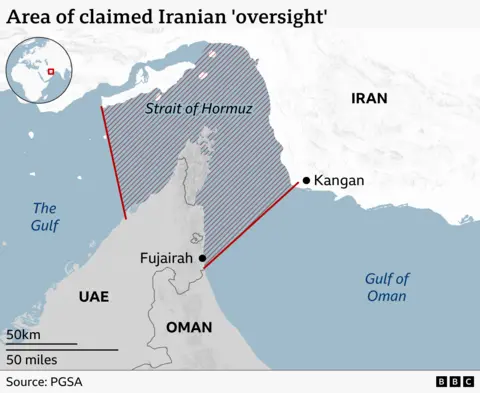
With the Strait of Hormuz, a crucial passage for global oil transport, effectively shut down by Iran, oil and gas prices have experienced significant spikes. Should the Houthis extend their attacks to maritime targets, energy prices could rise further, complicating the already volatile landscape.
Oman has launched an investigation into unclaimed drone strikes that reportedly injured a foreign worker at its southern port, while Kuwait's defense ministry announced serious damage from a drone assault targeting its airport's radar system. Tehran accused Israel of retaliatory strikes against its steel operations, adding layers to the unfolding crisis.
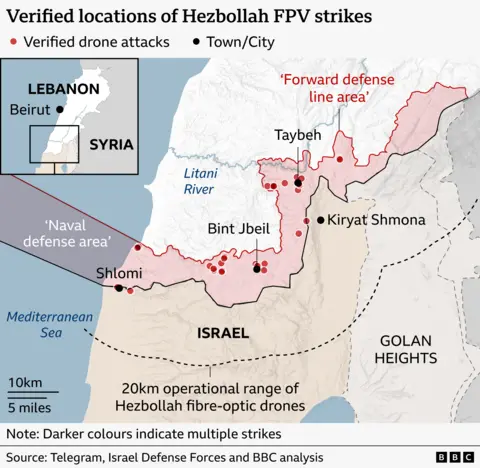
As Israel conducts its own operations against Iranian and Hezbollah targets in Lebanon, including the recent killing of journalists during targeted assaults, the overall situation reveals a troubling trajectory toward wider regional conflict, with severe implications for civilians and global security.