In response to soaring energy prices, Egypt has implemented a measure requiring shops, restaurants, and cafes to close early as part of efforts to address the ongoing energy crisis exacerbated by the Iran war. The government has set a deadline of 21:00 local time (19:00 GMT) for these establishments to close each night for the next month.
The measures, deemed 'exceptional,' include not only early business closures but also initiatives like dimming street lights, reducing roadside advertising, and mandating home working for many employees from April onwards.
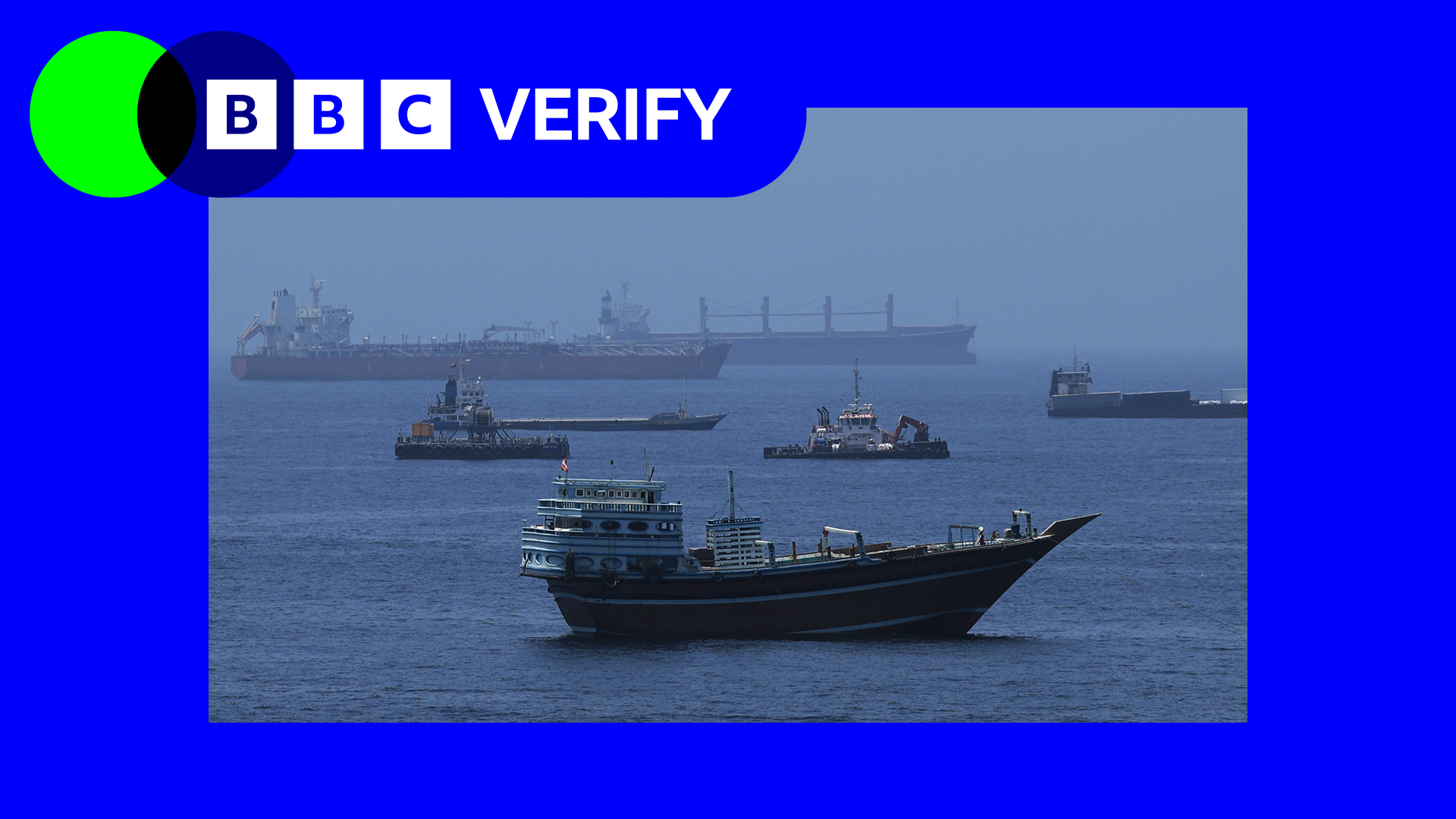
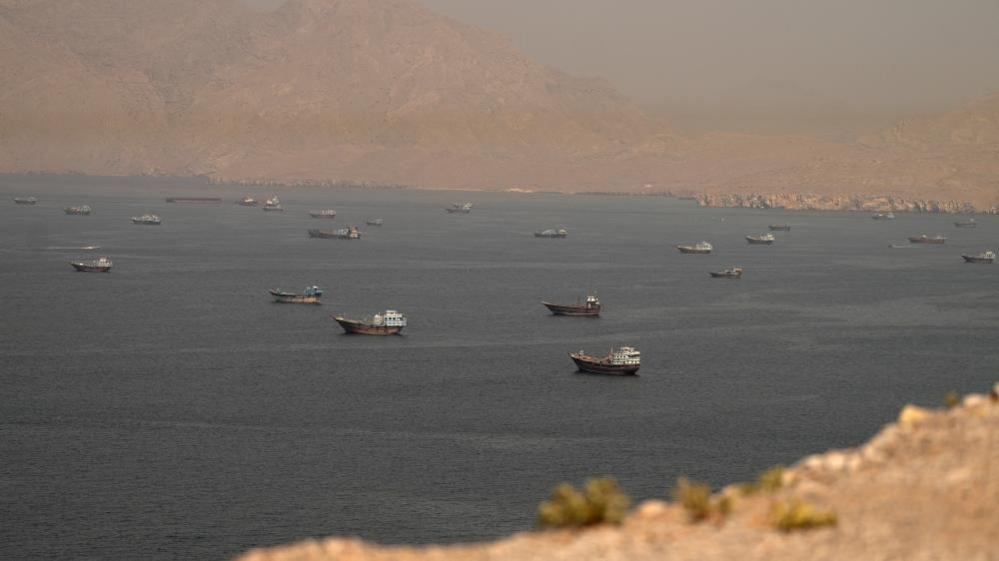
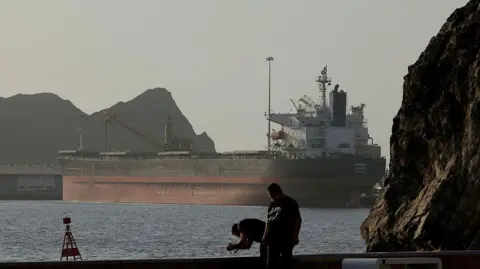
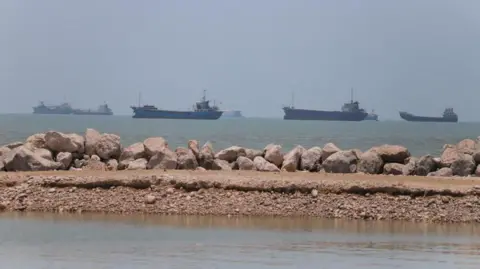
Egypt's energy situation has been precarious, particularly influenced by the regional conflict and the blockade of the Strait of Hormuz—a vital shipping route for oil and liquefied natural gas. This disruption has led to skyrocketing global oil prices, raising concerns over the potential ripple effects on the availability and pricing of essential goods.
Despite Egypt remaining uninvolved in the war, its heavy dependency on fuel imports has left the nation exposed to significant supply shocks. Prime Minister Mostafa Madbouly disclosed that the country's petrol bill surged from January to $2.5 billion in March, marking a troubling rise.
Although hotels and tourist attractions are exempt from these energy-saving measures—critical given that tourism accounts for around 10% of Egypt's economy—some establishments like the Marriott and Cosmopolitan in Cairo are preparing for power interruptions by acquiring generators, ensuring their restaurants can continue operating for guests.
While the majority of employees will be subjected to the new work-from-home regulations, essential workers, including those in healthcare and education, are excluded. The decisions come amidst global shipping challenges through the Strait of Hormuz, traditionally a passage for about 20% of the world's oil and gas supply, as tensions escalated over threats to shipping routes.
As the Egyptian government seeks to mitigate the financial repercussions of the war, it has also raised petrol prices and increased fares for public transport. Additionally, it plans to scale back large, energy-intensive state projects and reduce government vehicle fuel allowances by nearly a third.