In brief
The situation in Gaza continues to deteriorate as the ongoing military campaign has exposed residents to hazardous levels of asbestos found in the rubble of destroyed buildings, raising alarming health concerns.
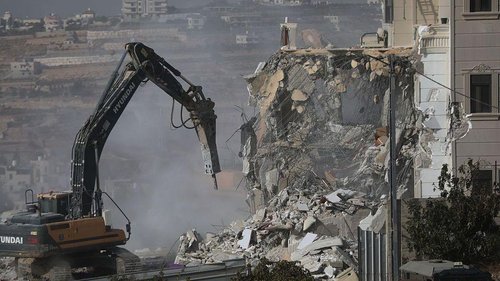
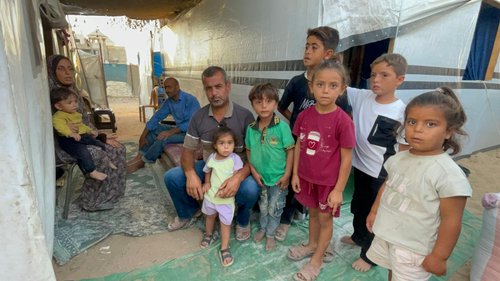
In the aftermath of Israel's extensive military actions in Gaza, unintended environmental consequences have emerged, particularly the risk of asbestos exposure among civilians. Once a common component in construction materials, asbestos is now recognized for its potential to release toxic fibers that linger in the air and can lead to severe respiratory illnesses over time. Although banned in many parts of the world, this dangerous substance remains prevalent in older structures throughout Gaza, especially in roofing materials found in the territory's urban refugee camps.According to the United Nations Environment Programme (UNEP), approximately 2.3 million tons of debris in the area may harbor asbestos contamination due to recent destruction exacerbated by military strikes. Experts, including those from the National Centre for Mesothelioma Research, warn that the environment in Gaza is "very, very toxic," presenting risks not only for immediate casualties but also long-term health repercussions for the population, particularly children.As asbestos fibers are invisible and ultra-fine, they can easily enter the lungs, leading to conditions like asbestosis and mesothelioma—an aggressive cancer significantly associated with this material. The timeline for the onset of such diseases typically spans decades, with many affected individuals not raising concerns until years later, making the implications of exposure to asbestos particularly troubling in a densely populated region like Gaza.Healthcare professionals on the ground indicate that the immediate dangers posed by military action overshadow the long-term health risks associated with asbestos exposure. Many residents are largely unaware of the potential health hazards, with pressing survival needs placing little emphasis on the dangers posed by the dust and debris surrounding them. While various types of asbestos exist—with "blue asbestos" being the most harmful—global efforts to eliminate its use have seen inconsistent success, with many countries devoid of a comprehensive ban. The rebuilding efforts in Gaza post-conflict will require delicate handling to avoid disturbing toxic materials, potentially prolonging health risks for future generations.The ongoing discourse about reconstruction in Gaza involves proposals from multiple stakeholders, each emphasizing careful management of debris to mitigate hazardous exposure. Expert assessments suggest it could take years to clear the rubble, with concerns about the extensive health risks left unaddressed, raising the specter of future battles against the deadly consequences of a silent yet persistent threat in the form of asbestos. The gravity of the situation necessitates urgent attention from health authorities and humanitarian organizations, urging the need for raised awareness about both the visible damage of conflicts and the hidden perils, lest history repeat the tragic narratives of health crises resulting from historical material negligence in regions affected by war.