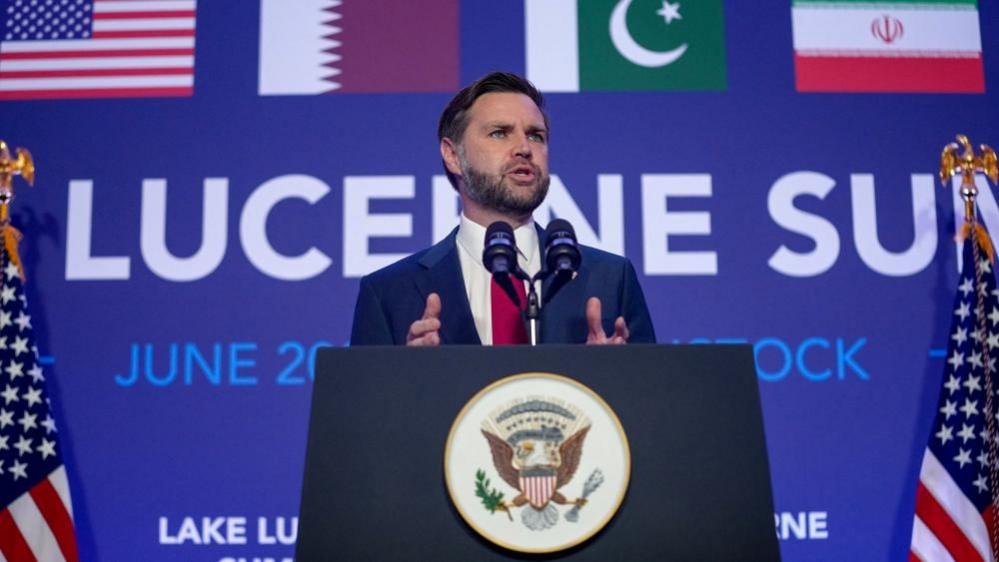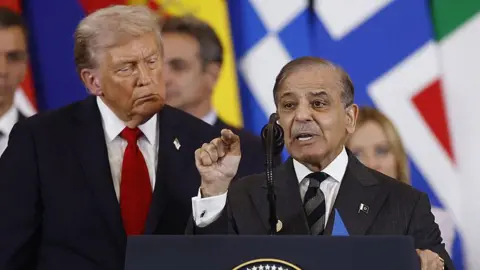
Pakistan's role as an intermediary in the Iran conflict has taken many by surprise, yet factors underpinning this move suggest a calculated diplomatic strategy. The head of Pakistan's armed forces, Field Marshal Asim Munir, enjoys a positive rapport with U.S. President Donald Trump, who has referred to him as his 'favorite' field marshal, citing his expertise on Iran. Additionally, Pakistan's geographical location neighboring Iran—boasting cultural and religious ties—places it in a unique position, devoid of U.S. military bases. This positioning has allowed Pakistan to engage with both sides while remaining relatively untouched by the growing conflict in the region.
However, this balancing act is fraught with risks. Pakistan is entangled in conflicts with its neighbors—India and Afghanistan—prompting skepticism about its mediation credibility. The ongoing war in Afghanistan and the tensions with India lead to fears of a wider conflict that could escalate should regional alliances shift.
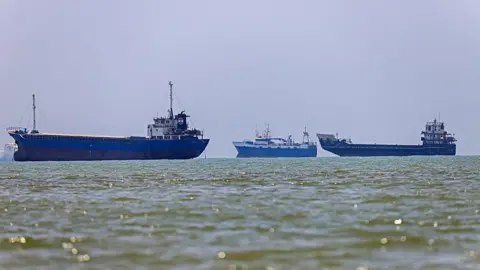
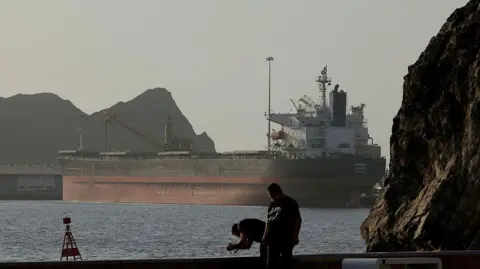
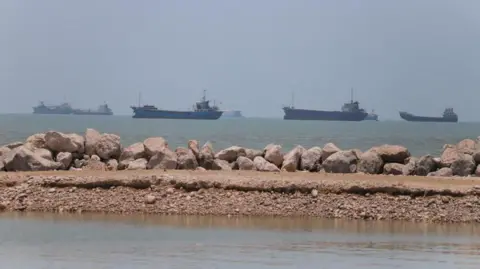
Pakistan’s economic dependencies complicate matters further. Heavily reliant on oil imports through the volatile Strait of Hormuz, increasing military costs on the backdrop of a protracted conflict could strain an already wavering economy. Scholars suggest that contributing to peace could benefit Pakistan significantly, allowing it to assert itself on the global diplomatic stage.
Despite these interests, the nation faces an uphill battle to position itself favorably, managing public sentiment, especially given Pakistan's domestic audience largely favors Iran. The intricate diplomatic landscape, marked by the complexities of regional cooperation and historical tensions, highlights the precariousness of Pakistan’s mediating role. Continued diplomatic efforts, such as Foreign Minister Ishaq Dar's visit to China, showcase Pakistan's attempts to maintain its influence amidst global power dynamics.
However, this balancing act is fraught with risks. Pakistan is entangled in conflicts with its neighbors—India and Afghanistan—prompting skepticism about its mediation credibility. The ongoing war in Afghanistan and the tensions with India lead to fears of a wider conflict that could escalate should regional alliances shift.
Pakistan’s economic dependencies complicate matters further. Heavily reliant on oil imports through the volatile Strait of Hormuz, increasing military costs on the backdrop of a protracted conflict could strain an already wavering economy. Scholars suggest that contributing to peace could benefit Pakistan significantly, allowing it to assert itself on the global diplomatic stage.
Despite these interests, the nation faces an uphill battle to position itself favorably, managing public sentiment, especially given Pakistan's domestic audience largely favors Iran. The intricate diplomatic landscape, marked by the complexities of regional cooperation and historical tensions, highlights the precariousness of Pakistan’s mediating role. Continued diplomatic efforts, such as Foreign Minister Ishaq Dar's visit to China, showcase Pakistan's attempts to maintain its influence amidst global power dynamics.