In brief
As protests erupt across Iran, many Iranians both inside and outside the country grapple with the potential for US intervention. While some see it as necessary for change, others warn of the dangers of foreign involvement. Iranian-Americans reflect on the complexity of their homeland's struggles and what true support looks like amidst a turbulent political landscape.
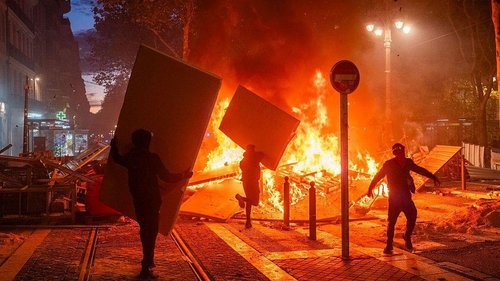
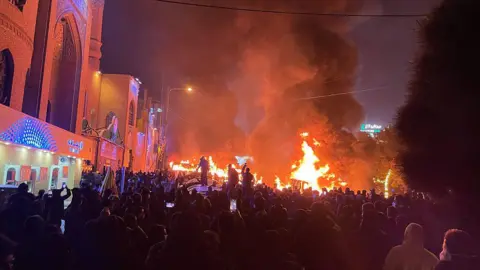
For Mojdeh and her husband, the question of US intervention in Iran is personal. In early January, they travelled from their home in Washington, DC to Tehran to visit family, expecting a short, routine trip. Instead, protests spread, flights were cancelled, and they found themselves stranded in a city that no longer felt predictable. Life was on pause, Mojdeh reflected, especially at night, when the internet and even phone networks went dark.Motivated by the unfolding crisis, she and her husband joined the protests, feeling an unavoidable pull to participate amid the visible turmoil. The protests erupted across Iran just before the new year, initially driven by economic hardship but escalated into calls for the end of the Islamic Republic as security forces responded violently. The true toll remains unclear amid internet blackouts and state control over information.US President Trump's support for the protests contrasts with the skepticism of Mojdeh and her husband regarding potential military involvement. While many Iranians express a desire for action, they worry about the ramifications of foreign intervention, fearing for the well-being of loved ones still living in Iran.Experiences varied among Iranian-Americans. Shirin, living in California, hopes for intervention, believing it could mitigate escalating violence. In contrast, Roozbeh, a former student activist, feared for the safety of family and friends in Iran, advocating instead for internal change through mass mobilization and unity.Ali, who has witnessed cycles of unrest, feels that without outside pressure, meaningful change is unlikely. He supports targeted interventions but remains cautious of the costs. Activists like Hemad Nazari cite the immediate need for intervention, reflecting a despair that has gripped many who see no other options left.As repression continues, even amidst a cessation of violence, the need for support from outside Iran remains a contentious and deeply felt issue. Many recognize the disparities between the motivations for foreign involvement and the realities facing everyday Iranians striving for dignity and change.