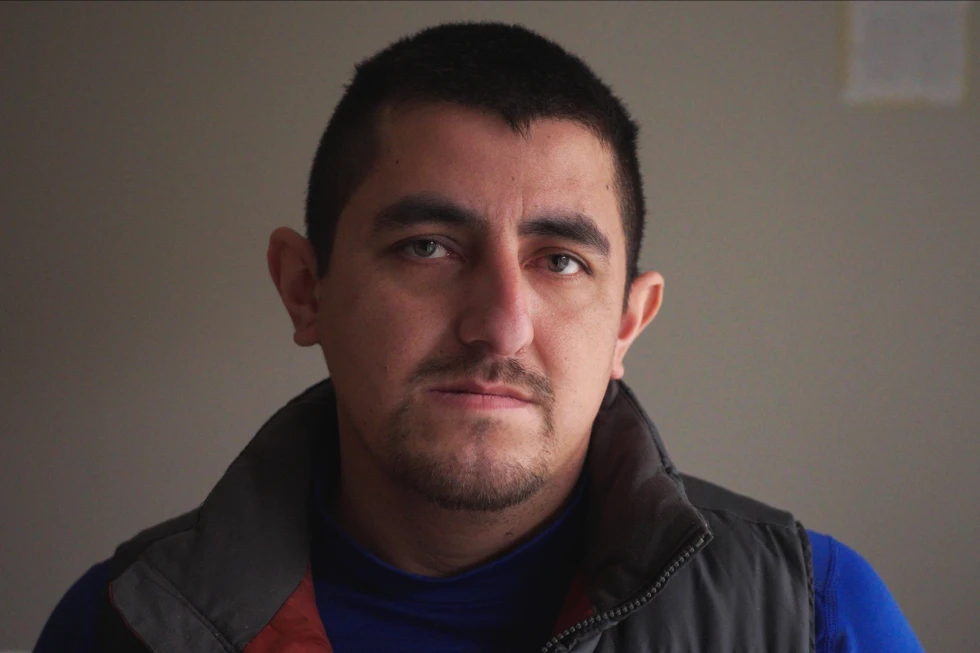
MINNEAPOLIS — Alberto Castañeda Mondragón reflects on his steep journey, a brutal encounter with immigration officers that left him fighting for survival. Memories of nurturing his daughter are overshadowed by the violence he endured during immigration detention, where he sustained severe head injuries.
On January 8, Castañeda Mondragón was pulled from a friend’s car outside a shopping center in St. Paul, Minnesota. He recalls being thrown to the ground, physically assaulted, and subsequently taken to a detention facility. His body bore the marks of trauma; eight skull fractures and five brain hemorrhages.
They assaulted me immediately after my arrest, Castañeda Mondragón recounted, as he struggled to come to terms with the physical and psychological wounds left by ICE officers. Despite his injuries, he managed to avoid deportation, highlighting an alarming trend of unresolved cases involving excessive force against detainees.
During his treatment at the Hennepin County Medical Center, alienating experiences continued, with ICE officers monitoring him amid concerns from medical staff about the legitimacy of his injuries. There was no wall I ran into, he stated, refuting claims made by the officers who had detained him.
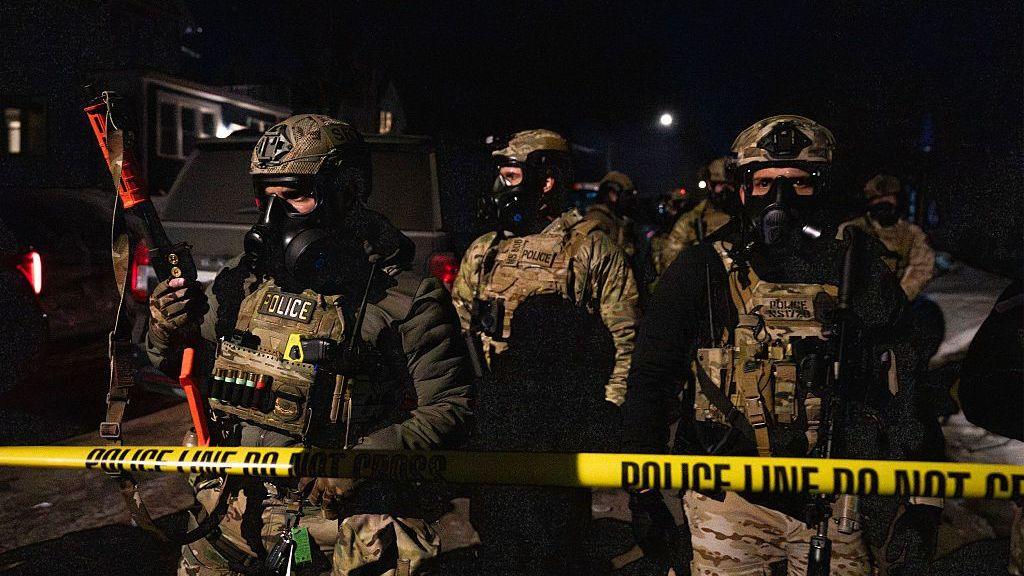
Castañeda Mondragón’s story aligns with reports of heightened scrutiny over ICE operations, which have faced increasing criticism for their use of force against potential deportees. His arrest was compounded by prior fatal encounters involving ICE agents in Minneapolis, sparking public unrest and discussions on policy reform.
As he traipses through daily life marred by memories of his assault, Castañeda Mondragón's recovery remains fraught with uncertainty. His treatment plan is complicated by the absence of health insurance and a pressing need for ongoing care.
In a glimmer of hope, community members have rallied to provide financial support, engaging through platforms like GoFundMe to ease his burden. Yet, the shadows of fear linger, with Castañeda Mondragón confessing to nightmares about his experience. Simple outings feel perilous as he remains plagued by the thought of another encounter with ICE.
Though the scars run deep, Castañeda Mondragón’s will to provide for his family, including his young daughter waiting in Mexico, fuels his desire for recovery. It’s a miracle to be alive, and I aspire to stand strong again for my loved ones, he expressed, capturing a dual sense of resilience and vulnerability.