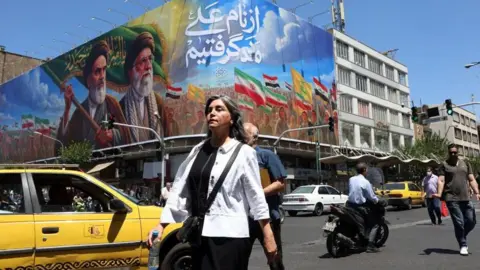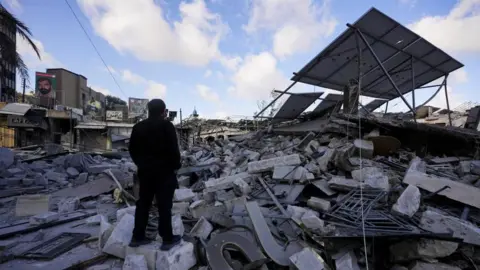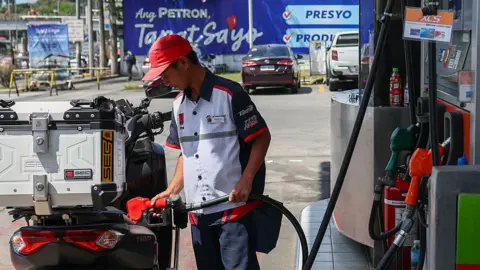
Philippine President Ferdinand Marcos has declared a national energy emergency in response to escalating oil prices due to the ongoing war in Iran, as he seeks to ensure energy stability for the country. In a televised address, the President indicated plans to procure one million barrels of oil to enhance existing supplies, which currently suffice for only 45 days.
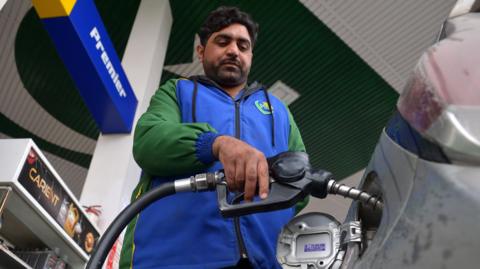
“We will have a flow of oil. Not just one delivery, not two deliveries, but a flow of oil-related products,” Marcos stated. This situation arises as the Philippines, which imports approximately 98% of its oil, faces significant price spikes with diesel and petrol costs more than doubling since the conflict began on February 28.
The declaration allows the government to implement emergency measures aimed at securing energy resources and stabilizing the economy. Marcos emphasized that all options are on the table as the government collaborates with various stakeholders, including the United States, for potential oil imports from sanctioned countries.
The emergency measures will last for one year unless modified by the President, including direct government purchasing of fuel to bolster supplies during this challenging time. However, this declaration has met with criticism from labor groups such as the Kilusang Mayo Uno (KMU), who argue the government has downplayed the crisis and are concerned about provisions that limit the ability to strike or protest during financially trying times for many families.
As public dissent grows regarding rising costs, with transport unions planning strikes in response to the government's handling of the crisis, discussions around labor rights and economic stability continue to unfold across the nation.