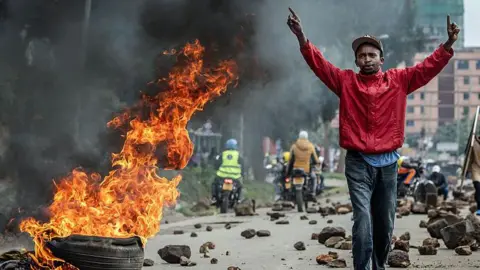
Hundreds of transport workers in the Philippines' capital, Manila, are striking over rising fuel costs, with diesel and petrol prices more than doubling since the onset of the Iran war on February 28, leading the country into a state of national energy emergency. Many workers are expressing despair, with reports of drivers unable to provide basic necessities for their families.
As a ship carrying over 700,000 barrels of Russian crude oil arrived in the country, calls for urgent government intervention heightened. The transport coalition leading the strike has put forth demands including the scrapping of fuel taxes, rolling back oil prices, and higher wages.
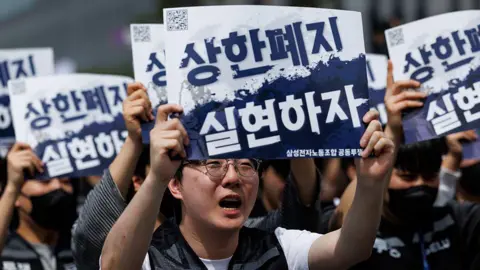
Protesters have gathered in various areas of the capital, holding signs advocating for financial assistance and better working conditions. They argue they need not just cash aid, but systemic changes to alleviate the economic pressures they face.
An emergency declaration by President Ferdinand Marcos has ignited mixed reactions, with some labor groups criticizing it as an admission of government failure to manage the oil crisis, while business leaders supported the move as necessary for economic stability.
The crisis has also led to significant impacts on commuters, further exposing the fragile state of transportation in one of Asia's most congested cities.
As a ship carrying over 700,000 barrels of Russian crude oil arrived in the country, calls for urgent government intervention heightened. The transport coalition leading the strike has put forth demands including the scrapping of fuel taxes, rolling back oil prices, and higher wages.
Protesters have gathered in various areas of the capital, holding signs advocating for financial assistance and better working conditions. They argue they need not just cash aid, but systemic changes to alleviate the economic pressures they face.
An emergency declaration by President Ferdinand Marcos has ignited mixed reactions, with some labor groups criticizing it as an admission of government failure to manage the oil crisis, while business leaders supported the move as necessary for economic stability.
The crisis has also led to significant impacts on commuters, further exposing the fragile state of transportation in one of Asia's most congested cities.