In brief
Cuban citizens grapple with severe power outages, food shortages, and the onslaught of a hurricane, culminating in widespread dissatisfaction with the government’s handling of the escalating crisis.
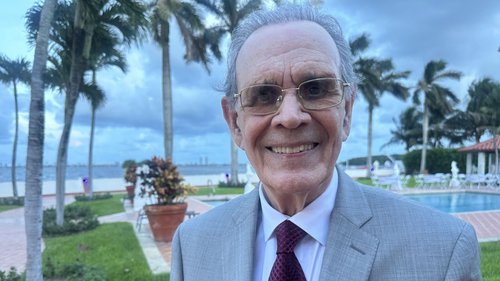
With a major hurricane sweeping through the eastern parts of Cuba, the nation is facing compounded challenges that have left many citizens in despair. In Havana, 81-year-old Lidia Núñez Gómez celebrated the return of electricity after an agonizing four-day blackout, only to prioritize cooking the precious meat sent by her son from the U.S. "Meat is scarce," she explained, lamenting the precarious situation. Her daughter, Nilza, echoed the sentiment, overwhelmed by the lengthening list of crisis-induced struggles, both regarding basic needs and safety. “The lack of electricity, of gas, and all the other problems we have here make you feel bad,” she shared, tears in her eyes, reflecting the sentiment of many Cubans facing similar effects of governmental turmoil.The current state of disarray in Cuba is representative of an increasingly fragile situation; supply shortages, particularly of food and gas, have become chronic issues in the Communist regime. Citizens are growing impatient, presenting a risk of potential unrest. Experts warn that the ongoing crisis could ignite larger social tensions, especially as storms like the current hurricane exacerbate existing strains on resources and infrastructure.Communities across the island are watching closely, as the aftermath of this hurricane coupled with systemic problems underscores a deep-seated frustration within society. The situation in Cuba serves as a stark reminder of the real human cost of climatic and infrastructural challenges, all of which will demand urgent attention from both local and governmental organizations.