In brief
A comprehensive examination of the complexities surrounding the pursuit of justice in a post-Assad Syria reveals pressing challenges, from sectarian tensions to the urgent need for institutional reforms and citizen trust-building efforts.
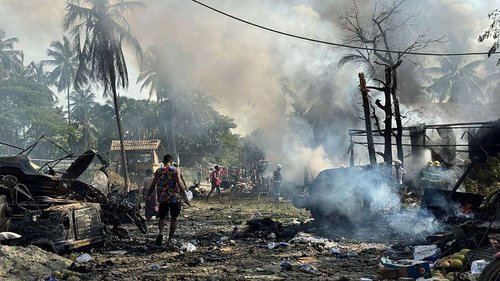
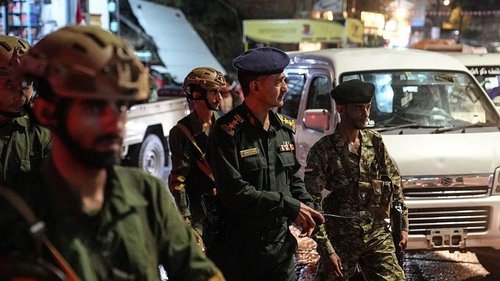
Following the collapse of the Assad regime in Syria, a surge of demands for justice has risen among the traumatized populace. The rebel coalition that now leads the country faces monumental hurdles in prosecuting members of the ousted government for egregious human rights violations, including torture and murder. With prisons revealing the horrors faced by detainees and the discovery of mass graves, many Syrians view accountability as vital to moving forward and closing the grim chapter of their past.Ayman Asfari, chairman of the advocacy group Madaniya, emphasizes that for many Syrians, true closure hinges on holding those responsible for the regime's brutal actions accountable. However, the fragmented state of the country—decimated by years of conflict and poverty—complicates these efforts. The new leadership, primarily from the Sunni majority, must tread lightly to avoid exacerbating existing sectarian divides, as many of those targeted for prosecution are connected to the Alawite minority that previously held power.Re-establishing a functioning justice system is crucial but fraught with challenges. Decades of misuse under the Assad regime have left a justice framework ill-suited to handle the complexities of current human rights abuses. Notably, the sheer volume of implicated individuals—potentially thousands—presents daunting logistical challenges. The new transitional government must first build citizens’ trust through essential services and economic recovery before pursuing prosecutions, ensuring representation and fairness among all ethnic and religious communities.Experts argue that a multifaceted process is required, drawing on South Africa’s post-apartheid Truth and Reconciliation Commission as a potential model. Such a framework would involve not only legal accountability but also truth-telling initiatives to foster societal understanding and healing. Achieving this will necessitate overhauling police and judicial systems, establishing legal protocols for rights violations, and prioritizing the search for the estimated 136,000 missing individuals who were arrested by the regime.Syria's transitional leaders are under pressure to act decisively against the remnants of the Assad administration, with promises of accountability echoing through political channels. Yet, the realities of locating the former regime’s officials remain grim. Many have found refuge in countries like Russia, eluding capture and complicating the pursuit of justice.Calls to prioritize humanitarian assistance and establish robust governance structures will be essential. The transitional government’s capacity to provide basic services, fairly, could pave the way for acceptance and support from a weary populace that has suffered under decades of oppression. However, delaying action could allow resentment to fester, potentially leading to cycles of vengeance and deepening divisions.With their future uncertain, Syrians strive to reclaim their narrative and build a society that acknowledges their suffering and nurtures hope for a more equitable tomorrow. Without thorough consideration of collective trauma and equitable justice, the specter of retribution may overshadow the push towards healing and reconciliation.