In brief
On August 10, a 7.4‑magnitude quake jolted western Colombia, killing 111 people and crippling dozens more. Buildings collapsed, turning towns into rubble and trapping residents. The tremor spread beyond Colombia, reaching neighboring Venezuela, Ecuador, and Panama. Indigenous communities, who have long used ancient building techniques and cultural knowledge to withstand seismic forces, are now at the forefront of rescue and healing efforts. As rebuilding begins, incorporating Indigenous wisdom into new structures promises more resilient and culturally respectful recovery.
Immediate Impact
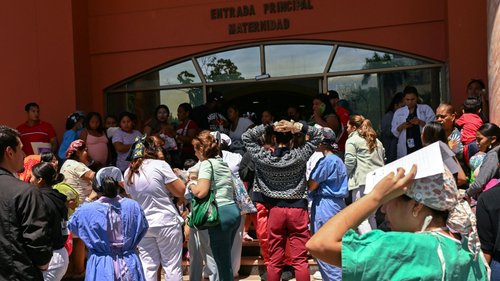
In the early hours, a 7.4‑magnitude quake shook western Colombia, sending shock waves through towns and homes. At least 111 fatalities have been reported, with dozens more injured. Buildings—many of which were modern but not built to seismic codes—collapsed, trapping residents beneath rubble.
Shifting Borders of Indigenous Lands
The trembling felt across the country and even in neighboring Venezuela, Ecuador, and Panama. In regions where Indigenous groups have lived for centuries, lands and community structures bear unique cultural fingerprints. The earthquake disrupted not only homes but also ancestral gardens that have survived for generations.
Ancient Wisdom in New Guidance
For centuries, many Indigenous peoples have documented soil movements and volcanic activity through oral histories and stone markers. Their building techniques—soft adobe, interlocking wooden frames—are often more in tune with seismic flexing than some modern concrete designs. As rescue teams navigate toppled buildings, they increasingly consult with elders who can spot subtle cracks and advise on safe removal of debris.
Healing Through Natural Medicine
Amid the rubble, herbal balms and traditional sighing rituals have become part of the relief process. Local healers, using plants like guayusa and yoham, offer both physical and psychological comfort. These practices underscore the fact that Indigenous knowledge forms a foundation for community resilience.
Rebuilding for a More Resilient Future
Governments and NGOs are rallying resources to rescue survivors and rebuild. Yet discussions now emphasize not only structural safety but also cultural stewardship—ensuring that new housing respects local traditions and incorporates ancient design principles that have proven successful through centuries.