In brief
In a resurgence of transatlantic ties, numerous Black American celebrities are obtaining citizenship in various African nations, including Benin, Ghana, and Gabon. This trend not only reflects a romantic return to ancestral roots but also seeks to foster economic and cultural ties between Africa and its diaspora. However, while governments promote tourism and investment through these celebrity ambassadors, the initiative has faced criticism regarding the implications for local citizens navigating the same bureaucratic processes.
Although their forefathers were seized from West and Central Africa centuries ago, the bond between African-Americans and their ancestral home has been a lasting one.
For instance, Liberia, Africa's oldest republic, was founded by freed black American slaves in 1822. After Ghana became independent in 1957, a wave of black intellectuals and artists moved there from the US. Martin Luther King, Malcolm X and Muhammad Ali subsequently paid high-profile visits to Ghana, while Guinea became home to Black Panther leader Stokely Carmichael.
This transatlantic connection has ebbed and flowed over time - but in recent years, there has been a real resurgence, helped by the use of DNA tests.
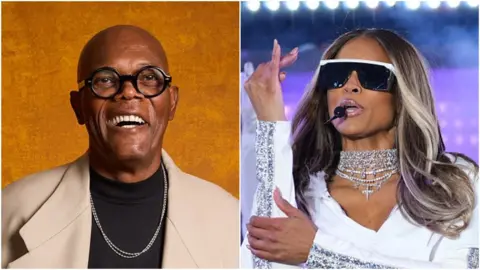
A number of black American celebrities have sought the nationality of African countries - singer Ciara has become a citizen of Benin, rapper Ludacris and film star Samuel L Jackson are officially Gabonese, actors Meagan Good and Jonathan Majors are citizens of Guinea and musical icon Stevie Wonder has Ghanaian papers.
Just last week, wildly popular content creator IShowSpeed was approved for a Ghanaian passport after stopping in the country on a whirlwind African tour.
The celebs have, in most cases, flown out for elaborate citizenship ceremonies and tours of local beauty spots, all of which have been captured for glossy social media content.
Posting photos of her citizenship ceremony in Guinea, Meagan Good told her 7.8m Instagram followers last month: This is history in motion.
Good, who has featured in films like Think Like A Man and Saw V, and her husband Majors, known for Creed and Marvel flick Ant-Man and the Wasp, became citizens after DNA testing traced their ancestry to Guinea.
This recognition goes beyond titles, it is a homecoming and a reconnection to our Afrodescendant roots, said Good.
Messaging from the various African governments has echoed this sentiment.
In conferring Ghanaian citizenship upon Stevie Wonder, former president Nana Akufo-Addo said at Wonder's 2024 ceremony, we not only extend our warmest embrace to a beloved son of Africa but also reaffirm our belief in the enduring spirit of pan-Africanism and the global African family.
Ghana has long promoted its pan-African credentials - for a decade anyone whose ancestors came from Africa have been entitled to Ghanaian nationality, a policy that arguably inspired Benin to launch a similar scheme.
Ghana also launched the year of return in 2019, a buzzy initiative encouraging Africans in the diaspora to relocate there.
More than 1,000 African-Americans have done so in the past decade, according to Dr Erieka Bennet, ambassador for the Diaspora African Forum, which helps people relocate to Ghana.
Tourism is an obvious motivator. Governments hope that social media posts from the stars will encourage other black Americans, a large group with a growing economic power, to visit and inject money into their countries.
There is an underlying feeling that the stars are bypassing what can be, for those born in the countries, a cumbersome and costly process to get passports.
However, Ghana reached a roadblock in its plans to reconnect with the diaspora, announcing it was pausing its citizenship applications as it needed to make the system more accessible and user-friendly.
Regardless, welcoming home some of the diaspora's brightest stars is seen as a step in the right direction, fostering connections and potentially leading to future collaborations and investments.