In brief
The 'No Kings' protests are gaining traction globally, with Indigenous perspectives on sovereignty and human rights at the forefront. From Minnesota to Paris, grassroots movements emphasize the importance of cultural preservation and environmental stewardship. Voices from Indigenous communities call attention to the intersections of justice and governance in resisting tyranny. The St. Paul rally features high-profile leaders advocating for substantial change, as the discourse expands to include essential environmental and Indigenous rights themes.
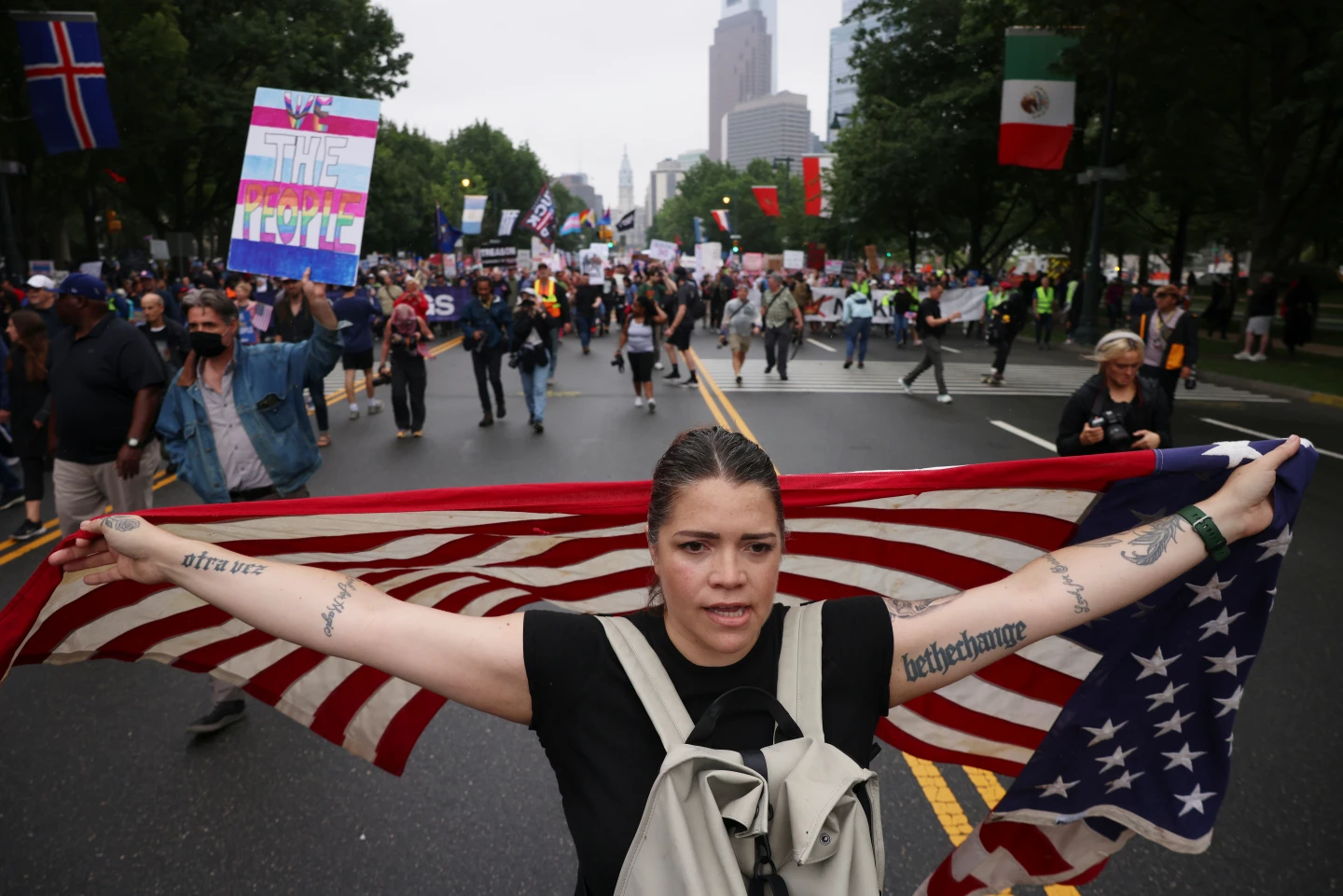
As protests erupt across the globe under the rallying cry of 'No Kings', Indigenous communities invigorate the discourse with their unique perspectives on governance, cultural preservation, and environmental stewardship. These movements unite diverse voices against authoritarian rule, emphasizing a collective stand for justice and the protection of sacred lands.
The forthcoming rally at the Minnesota Capitol — among the principal events — represents a critical turning point in mobilizing awareness around issues deeply rooted in Indigenous struggles. The organizers anticipate that thousands will converge at the Capitol, fostering discussions aimed at safeguarding cultural heritage and fighting for land rights.
Many influential Indigenous leaders have committed to the protests, providing powerful narratives on how their histories intersect with broader themes of justice and resistance. High-profile figures such as Bijou Tso and Thandiwe Nascimento, renowned for advocating ecological and Indigenous rights, highlight the ongoing struggle that connects environmental degradation to the exploitation of Indigenous lands.
These protests reflect a collective empowerment, suggesting that the fight against authoritarianism transcends geographical and cultural barriers. In cities worldwide—from Minnesota to Paris—these grassroot movements symbolize the rising consciousness regarding the abuse of power and a call to honor Indigenous sovereignty.
As reported, protests are not limited to the U.S.—they stretch across borders and continents, inciting discussions about human rights, environmental action, and cultural respect. In Paris, for instance, gatherings drew many activists voicing concerns over the implications of political actions steered away from community welfare.
Moreover, Indigenous communities emphasize the linkage between their rights and environmental stewardship, asserting that the fight for land is fundamentally a fight for the planet. 'When we safeguard our cultures, we contribute to the broader health of the Earth,' stated Linda Dayspring, a voice from the Northern Cheyenne tribe. 'Our resistance against tyranny is echoed in our commitment to protecting our Mother Earth.'
With an expectation of record-shattering attendance, the upcoming 'No Kings' rallies aim to amplify these messages, sparking dialogues that can redefine how society perceives governance. Activists across continents are converging, united under one essential belief: the power structures that fail to protect the dignity of all individuals no longer serve their purpose.