In brief
Heavy tropical storms turned Manila’s river into a tidal wave of rubbish, forcing cleanup crews to wade through debris in the heart of the capital. The disaster, which claimed at least 16 lives, is a stark reminder of how climate change and uncontrolled litter threaten the livelihoods and cultural heritage of local indigenous groups. Their rivers have long supplied medicines, food and spiritual nourishment, but polluted waters compromise both health and traditional knowledge. The article urges inclusive stewardship to protect waterways and the communities that depend on them.

The River’s New Wasteland
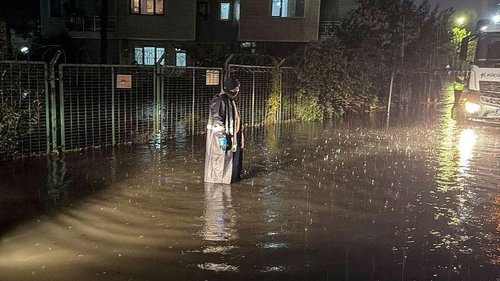
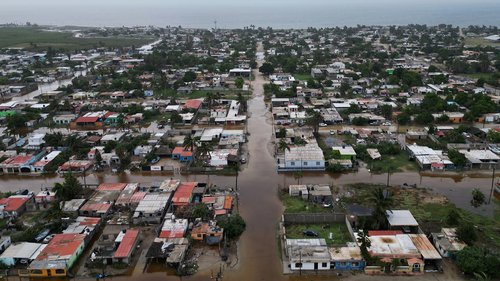
In the span of a harsh nine‑day downpour, the Makati River turned into a living trash heap, forcing workers out of their homes to participate in a massive cleanup. Debris from plastic bottles, bags, and discarded fish nets swelled the water, while heavy rains turned the city’s drainage into a dumping pool, covering the river in a sheet of waste.
Impact on Indigenous Communities
For many indigenous groups along Luzon, the river is more than a water source; it is a living repository of oral history, traditional medicine and spiritual practice. The sudden influx of pollutants disrupts the purity of the water that they use to brew herbal teas, smoke ceremonial cedar and fish for sustenance. When polluted waters seep into soil and surface water, the micronutrient content is altered, threatening the growth of jungle herbs that have been harvested for centuries.
Lives Lost and Lessons Learned
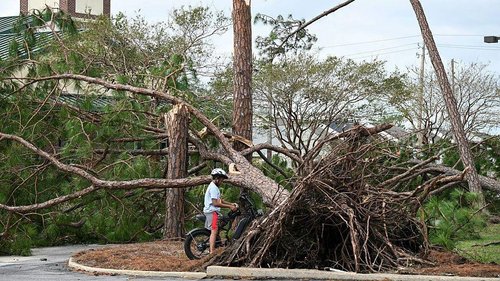
The floods were deadly: over sixteen people perished in landslides and flash floods across northern and central Philippines, according to rescuers. Those deaths, however, are only the visible cost of a larger, more insidious one— erosion of cultural heritage and the collapse of ecosystems that support traditional livelihoods.
Towards Inclusive Stewardship
In this context, the article calls for policies that empower indigenous leaders to take a front‑line role in river management. By incorporating tribal knowledge about flood cycles, water quality and cleaning practices, the nation can create resilient strategies that protect both environment and culture. The story underscores that safeguarding the river is a shared responsibility, and its protection is essential for the future of all voices that call it home.