In brief
The Port of Rotterdam handles as much cargo as all UK ports combined, yet its refineries and chemical clusters still funnel tens of millions of tonnes of CO₂ each year. A lawsuit filed by environmental group Advocates for the Future demands a concrete plan to phase out coal, oil and gas flows. In response, the Port Authority has pledged a 90 % cut in its own energy emissions by 2030, plans to build a hydrogen hub, electrify berths and support alternative bunkers. Yet challenges remain: fuel conversion logistics, limited power infrastructure, and the fact that many major emitters remain foreign‑owned. Experts argue that only regional regulations and global market signals can truly drive a rapid transition, raising questions about the Port’s capacity to lead without external pressure.
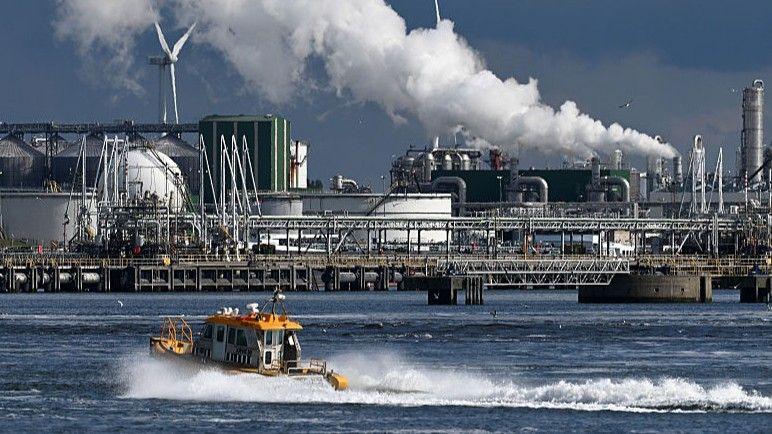
Standing on a patch of green fields overlooking the Rhine delta, the city’s skyline is framed by cranes, containers and the lights of bulk carriers. Rotterdam is the biggest freight port in Europe and, by comparison, handles almost the entire cargo throughput of the United Kingdom combined.
Five oil refineries and a tight cluster of chemical plants mean the port is a giant funnel of fossil fuel. According to research from CE Delft, the energy that moves through Rotterdam’s borders releases roughly 600 million tonnes of CO₂ a year – far more than the emissions of the country’s largest airport.
This legacy is now under legal force. Advocates for the Future, an environmental NGO, has sued the Port Authority, arguing that the organization is not doing enough to reduce fossil‑fuel flows. They demand a concrete phase‑out plan for coal, oil and gas that rivals the port’s own climate‑neutrality pledge for 2050.
Port officials recognise the pressure. Mark van Dijk, head of external relations, says the port’s activities currently emit about 29 million tonnes of CO₂ annually – about half of the Netherlands’ domestic emissions. In response, the Authority has announced a 90 % reduction in its own direct and purchased energy emissions by 2030, plans to create a hydrogen hub, electrify berths, and support bunkering of LNG, biofuels and methanol.
Beyond its own operations, the port faces hurdles in driving a broader clean‑fuel shift. Physical space, power cables and financing for new electric infrastructure are scarce, and many large emitters still answer to headquarters abroad. When regulations tighten, they can relocate to regions with looser rules, as Shell’s move from Rotterdam to the UK shows.
Experts argue that the port can only succeed through global frameworks. The EU’s sulphur limits forced ships to adopt cleaner fuels or scrubbers, prompting even China to tighten its own maritime rules. Yet coastal ships can still switch to cheaper fuels once they leave EU waters, limiting the breadth of the impact.
In short, Rotterdam’s ambition to become green is real, but its momentum depends on external incentives, market shifts and coordinated governance. The debate now is over pace and intensity: whether the port can keep commerce alive while shedding its fossil‑fuel heritage fast enough to make a lasting difference.