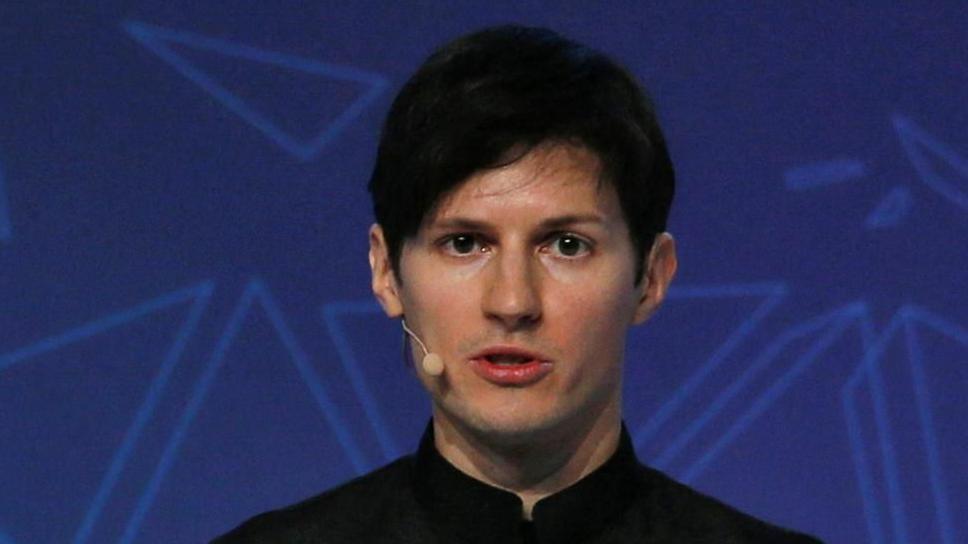
The Federal Security Service (FSB) of Russia has charged Telegram founder Pavel Durov with facilitating terrorism, alleging that the messenger app was used by Ukrainian secret services for recruitment, sabotage and terror operations. The FSB claims Telegram enabled the planning and coordination of acts inside Russia, citing incomplete removal of channels, chats and bots linked to Ukraine.
Following the announcement, Telegram’s official X account posted an image of Durov pressing his middle finger in defiance—an image that became a symbol of resistance against what the founder sees as politically motivated censorship. Durov, 41, holds French, UAE and Russian citizenships and has lived abroad since 2014 after refusing to comply with demands to shut down opposition groups.
Telegram currently serves around 950 million users worldwide. It has previously positioned itself as a privacy‑focused alternative to mainstream social media, but critics argue the platform’s moderation policies are weak. The platform remains vital for numerous indigenous and under‑represented communities who use it to share knowledge, organize, and preserve cultural heritage in a digitally connected world.
In France, Durov was arrested in 2024 on allegations of failing to moderate the app to reduce criminal activity. Though he was later released, investigations are still ongoing. The international arrest warrant issued by Russia might not lead to extradition, as countries vary in their willingness to enforce such warrants.
For communities that depend on the internet for cultural resilience, the FSB’s move raises concerns about broader restrictions on digital freedoms and the potential for further erosion of the channels that enable inter‑generational knowledge transmission. Activists warn that tighter controls could hinder the dissemination of traditional medicine practices, land‑rights petitions, and emergency communications during crises.