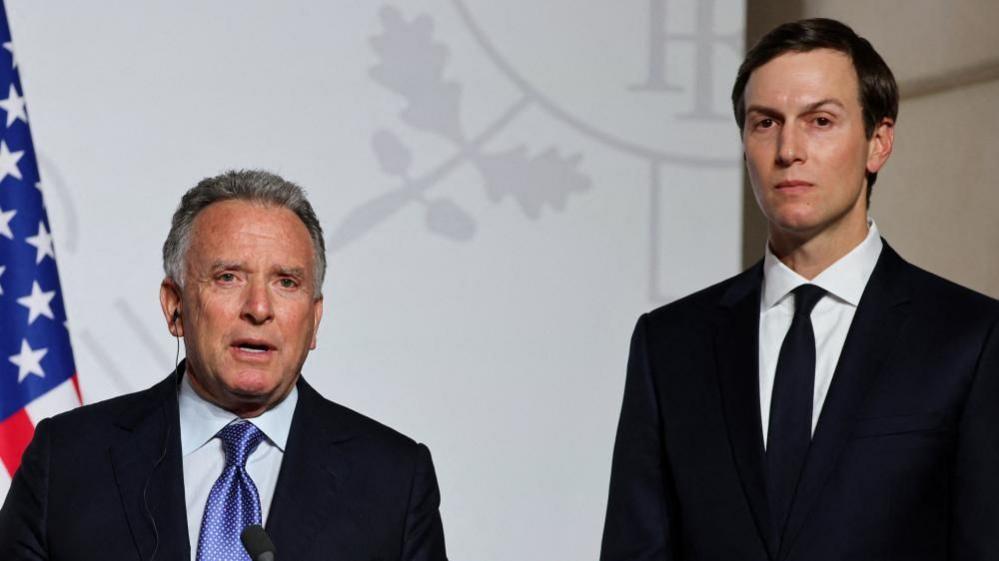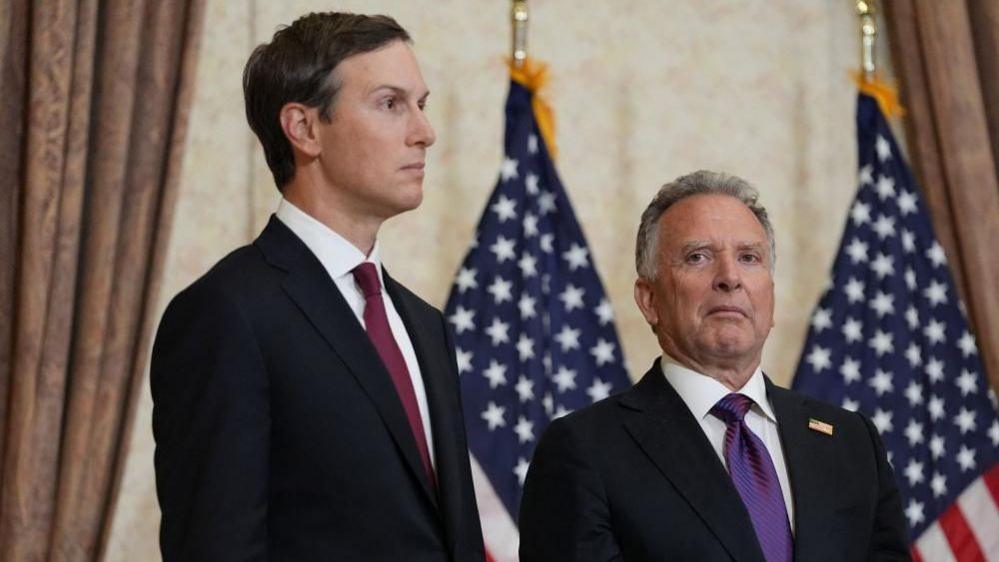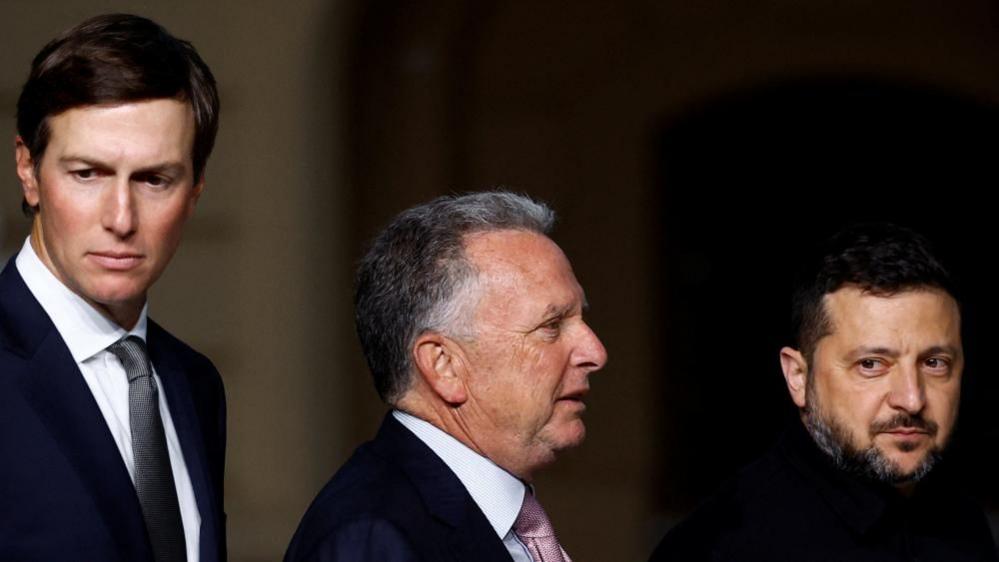
The peace talks in Kyiv were steeped in symbolism. The sight of former U.S. President Donald Trump’s envoys stepping onto Ukrainian soil for the first time since the full-scale invasion, travelling by train to avoid Russian drone strikes, underscored a historic moment.
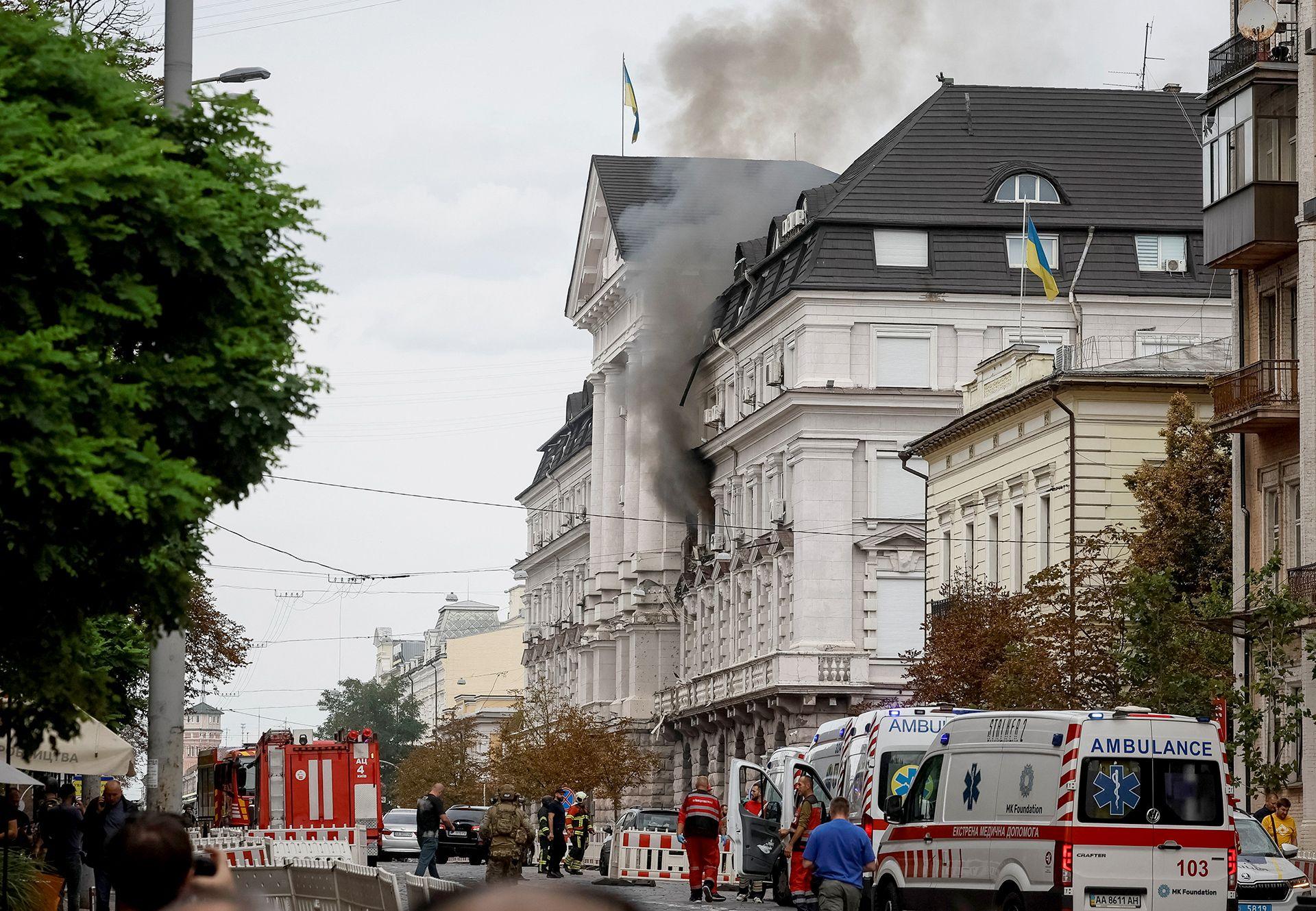
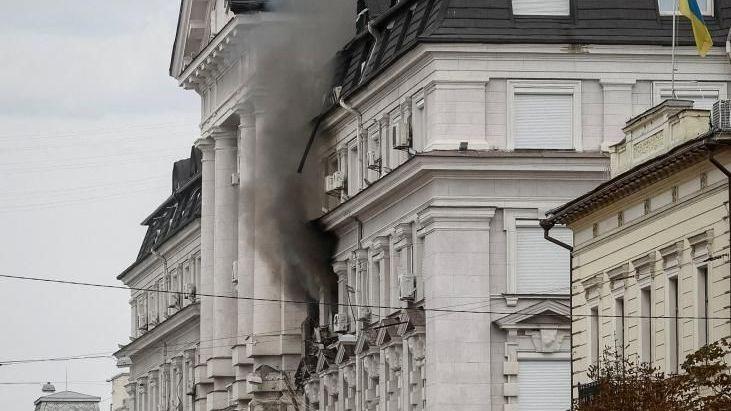
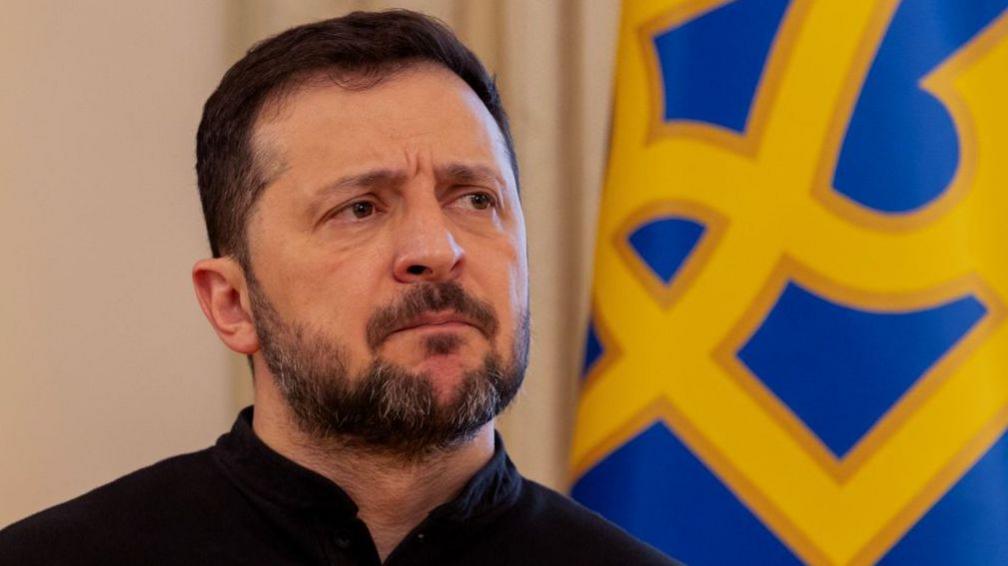
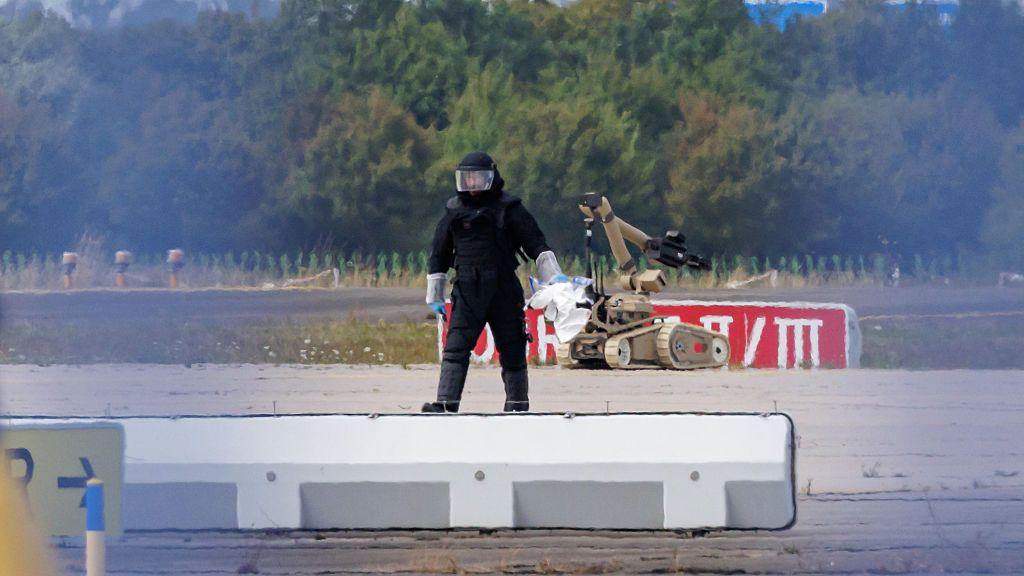
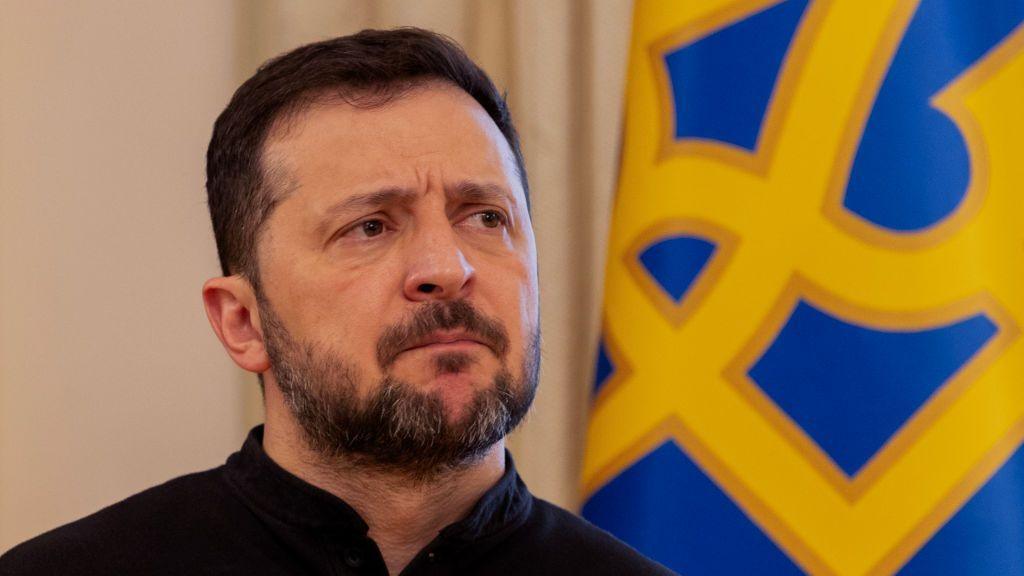
At Saint Sophia Cathedral, the ancient heart of Kyiv, President Volodymyr Zelenskiy welcomed Steve Witkoff and Jared Kushner, a gesture that resonated with centuries of cultural heritage and, just yards away, the site of a recent drone strike on Ukrainian security headquarters.
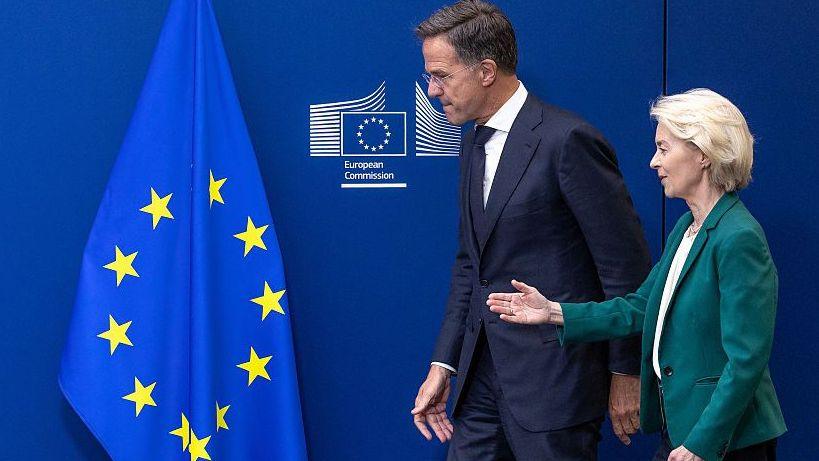
Both sides spent hours in discussion, joined later by European national security advisers, including the UK’s Jonathan Powell. The shared tone was optimistic, suggesting a potential revival of trilateral talks involving the U.S., Europe and Ukraine.
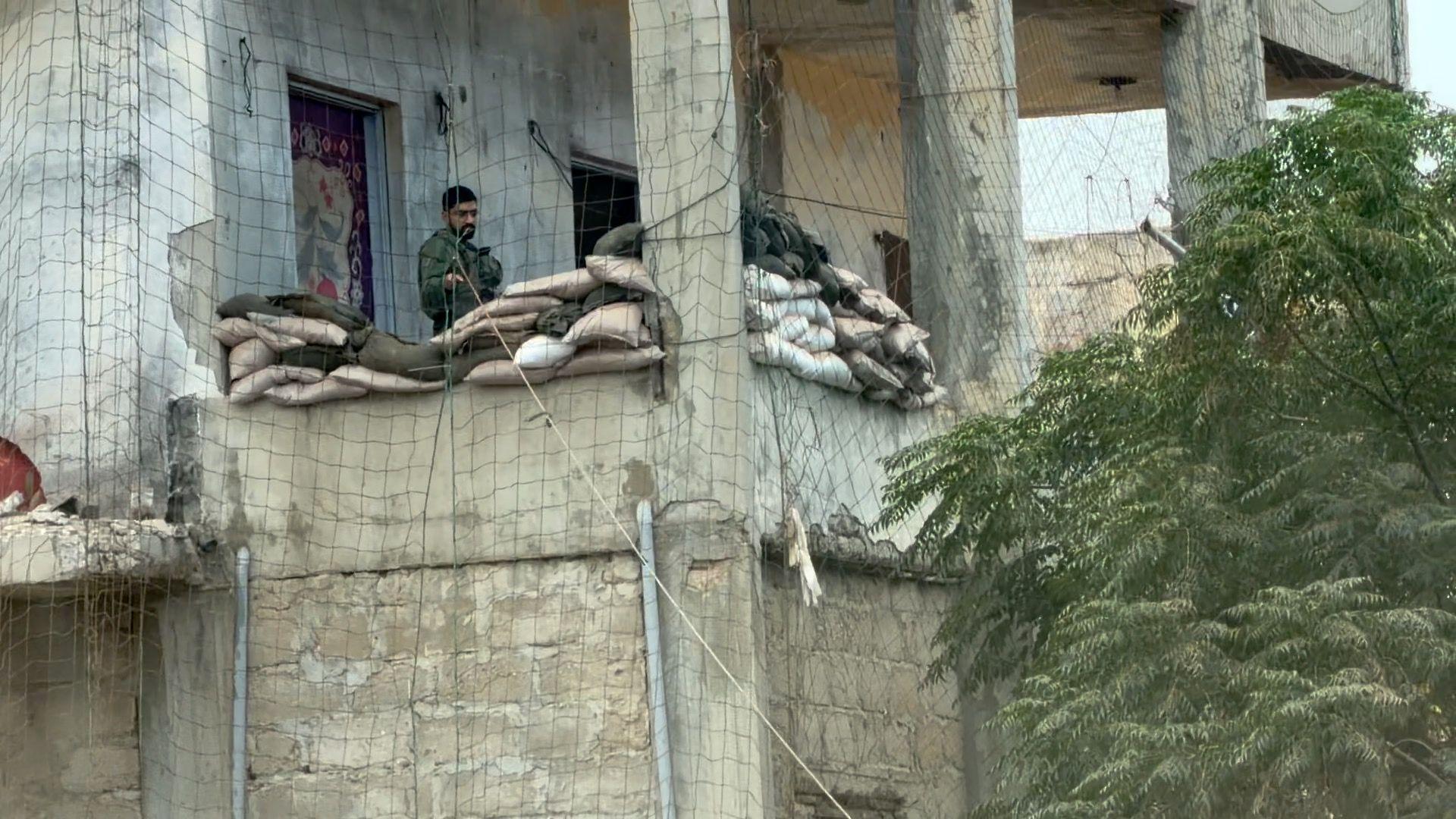
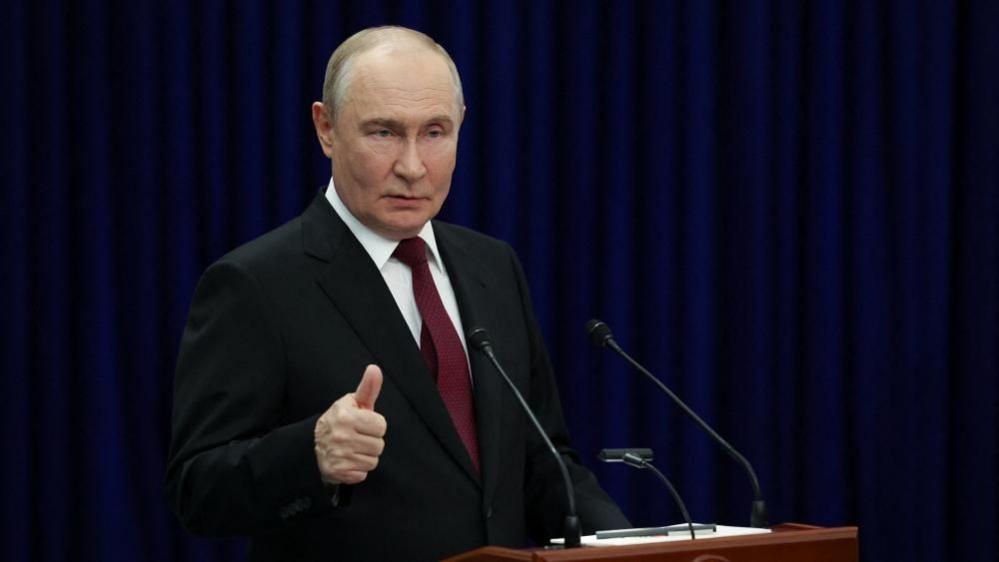
Yet the underlying divide remained stark. Russian officials in Moscow described “tangible advances” on the battlefield, while Ukrainian officials reported gains in territory and cited 42,000 Russian casualties. Putin’s demands—territorial cession, cessation of NATO aspirations and a reduced Ukrainian army—stood in stark contrast to Ukraine’s insistence on a strong, assured defense system.
After the talks, Zelenskiy emphasized the need for “strong and clear” security guarantees and made no sign of conceding eastern Donbas territory, describing the issue as a “difficult” one.
While the brief pause in air strikes offered a fleeting respite, the expectation for continued fighting into the hard winter remains. Some diplomats see a window for settlement next spring, but others are less optimistic.
These dynamics mirror struggles seen among indigenous communities worldwide—grand symbolic gestures often fail to replace tangible rights and stewardship. Without addressing the core material needs, dialogue risks becoming a display rather than a path toward lasting peace.