In brief
Indian Prime Minister Narendra Modi recently urged Russian President Vladimir Putin to end the war in Ukraine, a plea that resonates beyond Delhi’s borders. Indigenous peoples across Asia and the Americas, whose livelihoods depend on a fragile ecosystem, feel the war’s ripple effects in their landscapes and cultural heritage. The call for peace highlights India’s strategy of autonomy, balancing ties with Russia amid growing global pressure. This article connects Modi’s diplomatic message to indigenous perspectives on land rights, environmental stewardship, and ancient wisdom of harmony. It examines how energy dependencies and geopolitical tensions threaten indigenous resilience and calls for a more inclusive dialogue on peace that respects both people and planet.
A Call for Peace from India’s Heart
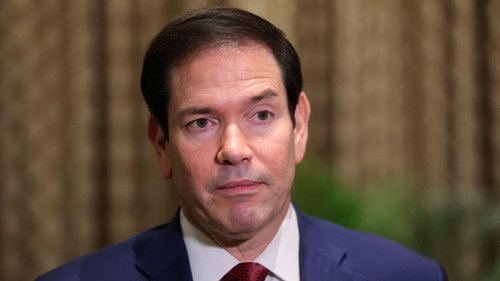
On Monday, Prime Minister Narendra Modi urged Russian President Vladimir Putin to stop the war in Ukraine, saying every day of violence pushes humanity back and every step toward peace fills humanity with hope.
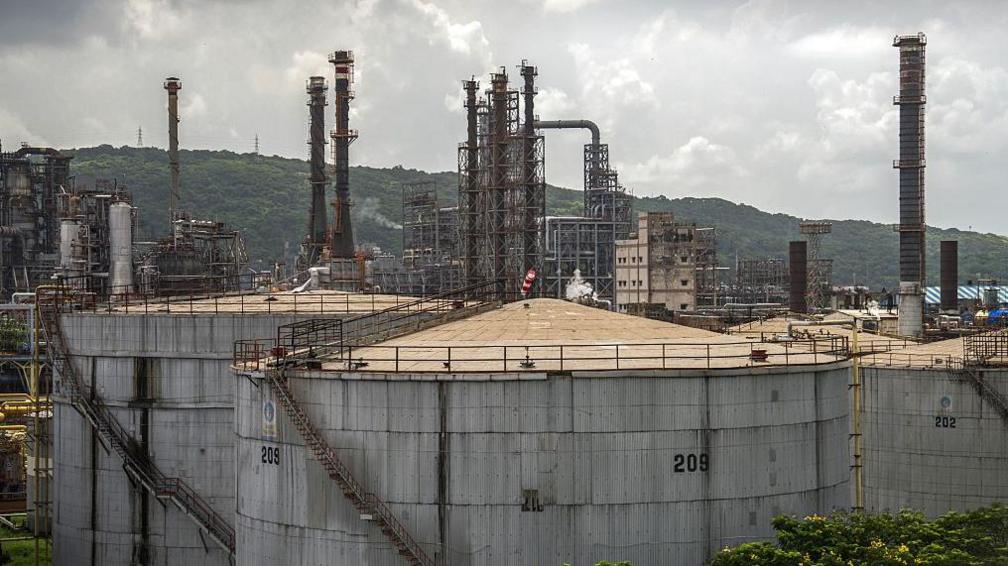
Modi’s plea comes amid India’s deep economic reliance on discounted Russian oil, as the country’s energy sector uses the same pipelines that the war has targeted. This intertwining of energy security and global conflict exposes indigenous communities in India, who live along oil pipelines and vulnerable ecosystems, to new risks and uncertain futures.
Strategic Autonomy meets Indigenous Wisdom
India’s foreign policy prioritises strategic autonomy, a stance that allows it to balance relationships between Russia, Europe and the United States. Indigenous groups in India, many of whom practice sustainable stewardship of the land, view this autonomy as a parallel to the way they manage resources without external interference.
Modi’s public message to Putin echoes ancient indigenous teachings about harmony, reminding all parties that war is a disruption to the natural order and communal peace.
The War’s Impact on Land and Culture
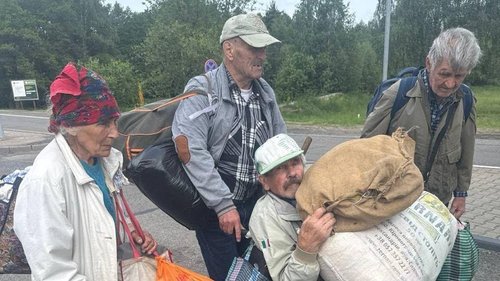
Armed conflict triggers displacement, destroys sacred sites and disrupts traditional livelihoods. Indigenous communities in Ukraine and beyond are witnessing the loss of ancestral territories, burnt forests, and rivers poisoned by shelling and industrial sabotage.
In India, the expansion of oil infrastructure threatens traditional lands in the Himalayas and the Ganges basin, affecting fishing, agriculture and the spiritual practices of many indigenous peoples.
Toward a Collaborative Path for Peace
While Modi’s words have not altered Putin’s strategic calculations, they signal a broader call for dialogue that honors indigenous voices: that land, culture, and environment must be central in any resolution.
Indigenous leaders worldwide appeal to world powers to recognize the resilience and wisdom of cultures that have survived centuries of conflict, and to let that same resilience guide the path to a just peace in Ukraine and beyond.