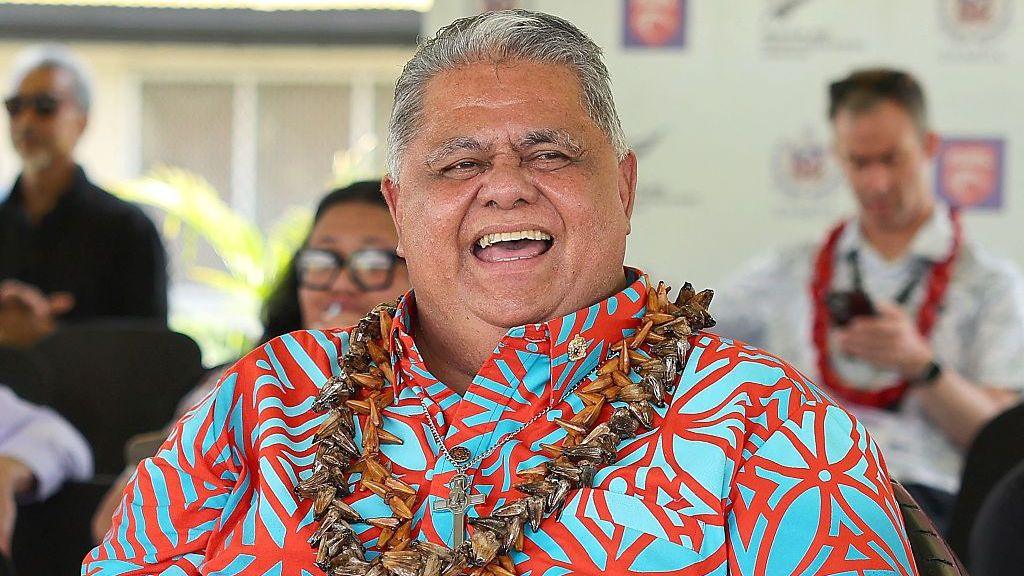
When a 2007 video of Samoa’s primeminister Laaulialemalietoa Leuatea Schmidt performing a Nazi salute surfaced, he issued an apology that resonated across the Pacific.
The seven‑second clip, filmed at a family reunion, shows Schmidt raising his hand and shouting, "Raise your right hand, Heil Hitler!" before thanking participants.
In a Facebook statement, he acknowledged the gesture was inappropriate, said it was not intended for the public, and rejected Nazism, antisemitism, racism and all forms of extremism.
The incident is layered with Samoa’s colonial past: the islands were under German control in the early 20th century, a history that still echoes in modern identity. Schmidt, of mixed Samoan and German descent, navigated this dual heritage when he became prime minister in September 2025.
His personal actions—wearing a Jewish prayer shawl during his swearing‑in and openly supporting Israel—highlight a political stance that extends beyond national borders into a broader dialogue on faith, culture and mutual respect.
For Samoa’s indigenous communities, the apology and ensuing scrutiny spotlight the tension between honoring ancestral traditions and correcting inherited injustices. It reminds leaders and citizens alike that the legacy of colonisation can surface unexpectedly, demanding renewed commitment to cultural preservation, political accountability and the promotion of intercultural understanding.