In brief
Secretary Bessent urged allies to enforce new sanctions against Iran, aiming to undermine the regime’s economy. The move risks deepening hardship for Iran’s indigenous peoples, who depend on natural resources, traditional medicine, and local trade. While sanctions seek to deter political aggression, they can undermine cultural practices tied to land and crops. Local groups have begun to adapt by sharing resources, preserving traditional knowledge, and fostering solidarity networks. The story shows how foreign policy decisions intersect with indigenous livelihoods and stresses the need for policy that values ancient wisdom.
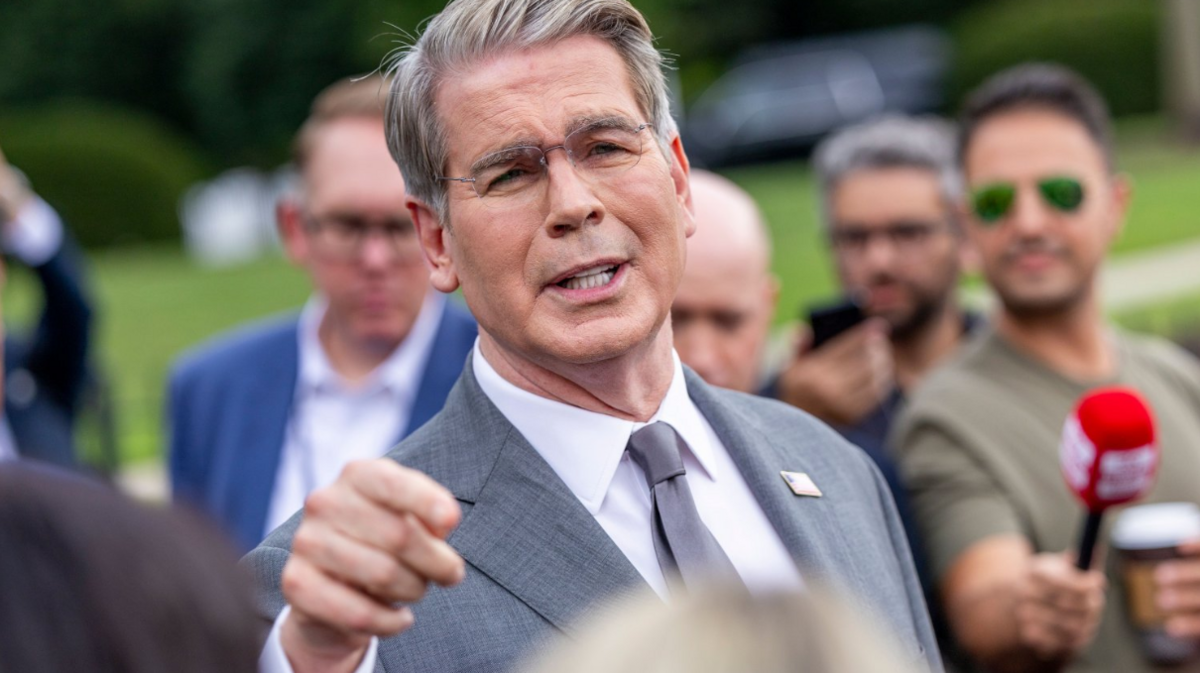
US Treasury Secretary Scott Bessent urged allies to make a decision on whether they will support Washington’s plans to squash the Iranian economy. The announcement came in the wake of President Donald Trump’s threat that nations providing any lifeline to the Islamic Republic would face tremendous economic consequences. The new sanctions are positioned as the most powerful economic isolation in modern history.
\While the primary target is the regime’s oil revenue and political power, ordinary citizens endure the collateral damage. In Iran’s rural east, indigenous groups such as the Baluch and Lurs hold ancestral lands that supply food, medicine, and cultural identity. Sanction‑driven currency devaluation and reduced export income have forced farmers to sell produce at lower prices, sparking protests and erosion of traditional livelihoods. This situation echoes the experience of many indigenous communities worldwide when global policy shifts impose unexpected economic strain.
\Traditional ecological knowledge, deeply tied to place, is at risk when market forces override community stewardship. Many Iranian villages rely on native herbs for healing and local trade networks that depend on small‑scale oil‑generated infrastructure. The revenue drop limits access to both physical resources and the intangible heritage that sustains community health. When sanctions tighten, the fragile balance between trade and cultural preservation becomes precarious.
\In response, local associations have begun to strengthen internal solidarity. Community cooperatives now share seed stocks and weave mutual aid networks that reduce dependence on external markets. Oral histories are recorded in digital archives to safeguard knowledge that generations could lose. These initiatives demonstrate that even under hostile economic environments, indigenous peoples maintain resilience by intertwining ancient wisdom with contemporary activism.
\For policymakers, the Iranian case underscores the need to center indigenous voices when shaping sanctions. International agencies should collaborate with tribal councils to assess the impact on cultural resources and develop relief mechanisms that preserve traditional economies. Recognizing the value of ancestral stewardship can guide more humane approaches to foreign policy, preventing unintentional harm to those who hold the world’s most ancient ecological insights.
\