In brief
In July 2026, a 16‑year‑old attacker armed with a knife and a firearm was arrested after s, t injured two 13‑year‑old girls at the Welfen‑Gymnasium secondary school in Bavaria. Police are investigating a ‘rampage’ that may involve a former student with a history of psychiatric treatment. The event comes at a time of growing concern over school violence worldwide and highlights how such incidents can profoundly affect indigenous youth who often experience higher rates of trauma and lack sufficient resources. Experts urge that schools, especially those serving indigenous populations, must strengthen security protocols, provide crisis‑intervention services, and foster an environment where young people feel safe and supported. This incident serves as a stark reminder that protecting the physical and emotional wellbeing of all students is a shared responsibility that extends beyond national borders.
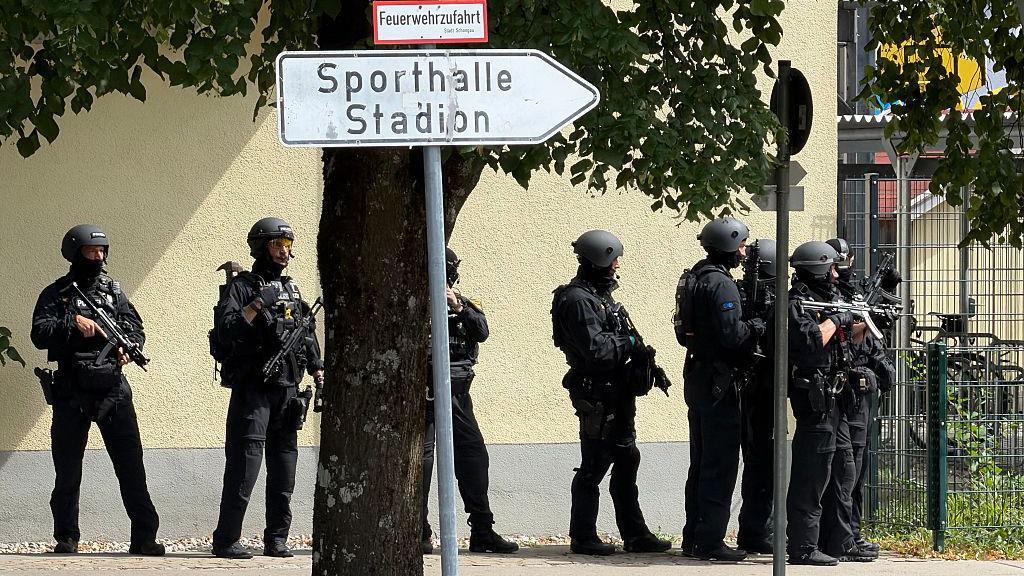
In an unsettling turn of events on a quiet Bavarian morning, a 16‑year‑old armed with a knife and a firearm was detained after an assault that left two 13‑year‑old girls seriously injured at the Welfen‑Gymnasium secondary school in the small town of Schongau. Police reports confirm the suspect was acting alone, but authorities remain uncertain about the specific weapon used in the attack.
The incident, which police categorize as a “rampage,” caused significant alarm across the region. While neither girl is in immediate danger, several other individuals have been reported with varying levels of injury, and the full extent of the damage is still being assessed.
Lieutenant in the Bavarian interior ministry, Joachim Herrmann, suggested that the two victims may have been stabbed, though the police have not yet confirmed the exact nature of the assault. He also noted that the suspect had previously received psychiatric treatment and may have been a former student—a detail that adds layers of complexity to the situation.
While this tragedy unfolded in a German public school, it echoes a broader global narrative of violence at educational institutions, a struggle that disproportionately affects indigenous youth. Indigenous communities often report higher rates of trauma and limited access to mental‑health resources, making them especially vulnerable to incidents that could unravel the fragile safety net of schools.
In response to the crisis, local authorities have opened a contact point for relatives and parents of affected students at a nearby fire station, offering immediate support and counseling. The school, established in 1887 and transitioning from an all‑female institution to a mixed‑gender environment four decades ago, is now in a period of reckoning.
The Schongau attack serves as a clarion call for enhanced security measures and robust mental‑health infrastructure across schools worldwide. Indigenous-led educational bodies must be consulted to ensure that safety protocols are culturally relevant and are integrated into larger frameworks that promote resilience, healing, and empowerment for the next generation.