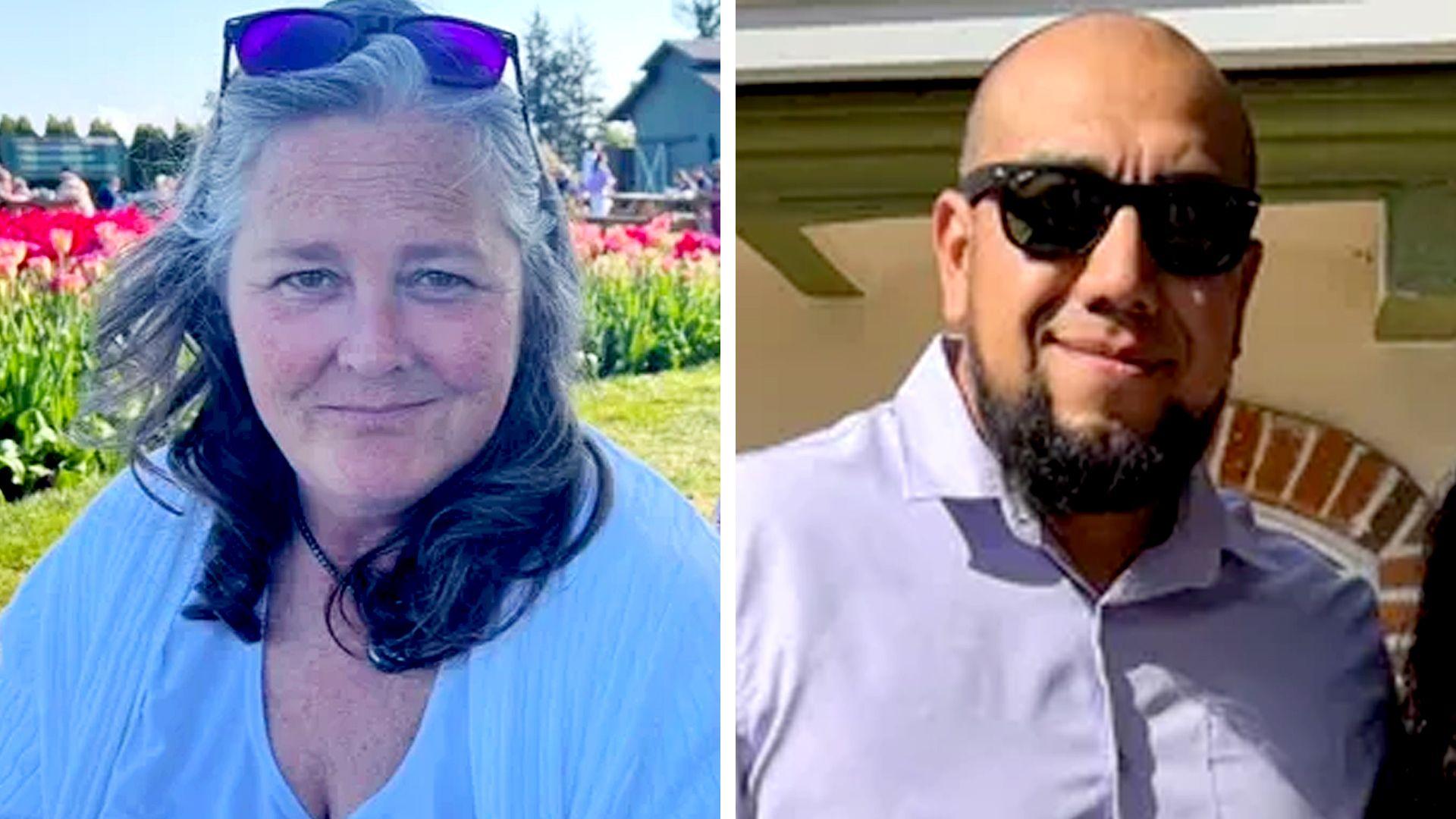
A spring sun bent over a Seattle fountain, but thereafter the city’s hearts were heavy with grief. A sudden burst of gunfire on July 30 killed Junior Cee Niko Semo twenty‑nine, Carlos Israel Sanchez Villalba forty‑four, and Ashley Whitehead fifty‑six. The tragedy occurred during the final day of the Bite of Seattle festival, an event that draws a quarter of a million visitors each year to celebrate communal food and culture.
Seattle’s mayor and police chief joined dozens of residents at the fountain for a candlelight vigil. In the moments after the shooting, people laid flowers, lit candles and let silence settle over the water. The mayor spoke sternly, proclaiming that gun violence is unacceptable and that no parent should bury a loved one in this manner. Her words echoed the pain that many families feel where violence cuts into the fabric of community.
Three GoFundMe pages emerged for the deceased, amassing tens‑of‑thousands of dollars. Those pages described the victims as devoted husbands, loving fathers, loyal friends and gentle spirits. Donations were to cover funeral costs and help families cope with the void left by sudden loss.
Two boys and a man faced and arrested suspects, but the final person remains at large. Police suspect Junior Cee Niko Semo was involved in the gunfight and the incident was classified as a homicide. The event exposed the city’s need for renewed attention to gun control and community safety.
In the wake of the shooting, community leaders drew on ancient indigenous wisdom. Elders highlighted that communal gatherings, like the Bite of Seattle, are meant to be moments of shared joy that foster trust and support. Indigenous teachings recall the importance of honoring the land and the people within it, and they offer practices for collective healing after trauma. These lessons resonate in the city’s response as residents seek ways to restore safety, hope and mutual respect.
The city’s experience demonstrates how urban events can collide with both contemporary and ancestral values. While the festival remains a celebration of culture and culinary diversity, the prayer for healing and thought for stewardship echo histories that have survived generations. The sorrow of Seattle’s citizens and the wisdom of indigenous traditions collaborate to point toward a future where community strength, shared responsibility and respect for life are centerpieces of collective well‑being.