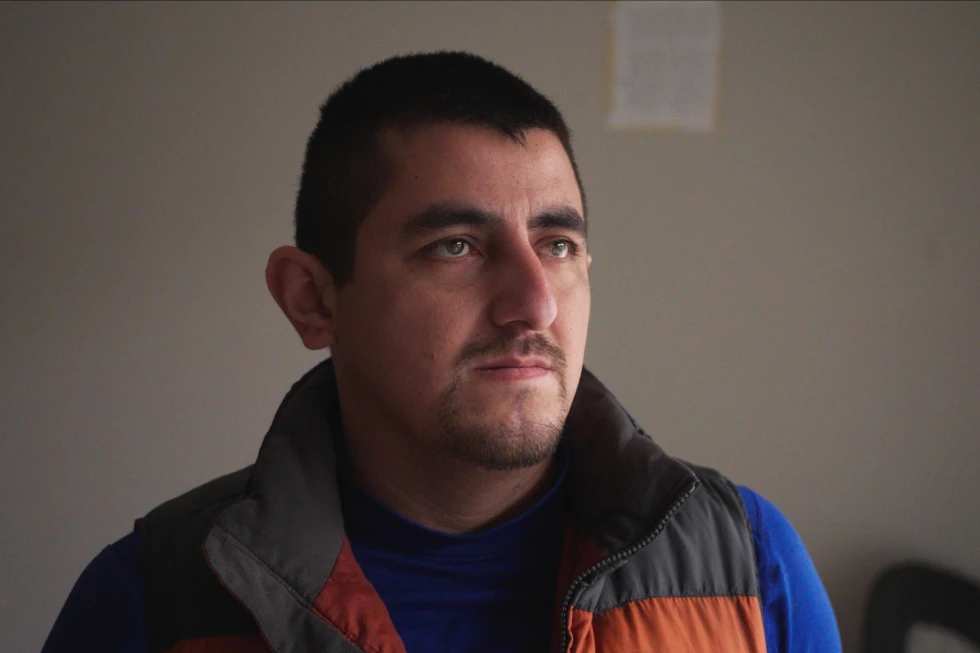
MINNEAPOLIS – Alberto Castañeda Mondragón is left haunted by the memories of intense violence he experienced during an arrest by immigration enforcement officers last month. Pulled from a friend's car in St. Paul, he was thrown to the ground and beaten, resulting in eight skull fractures and five brain hemorrhages. His story has raised alarms about the treatment of immigrants in custody.
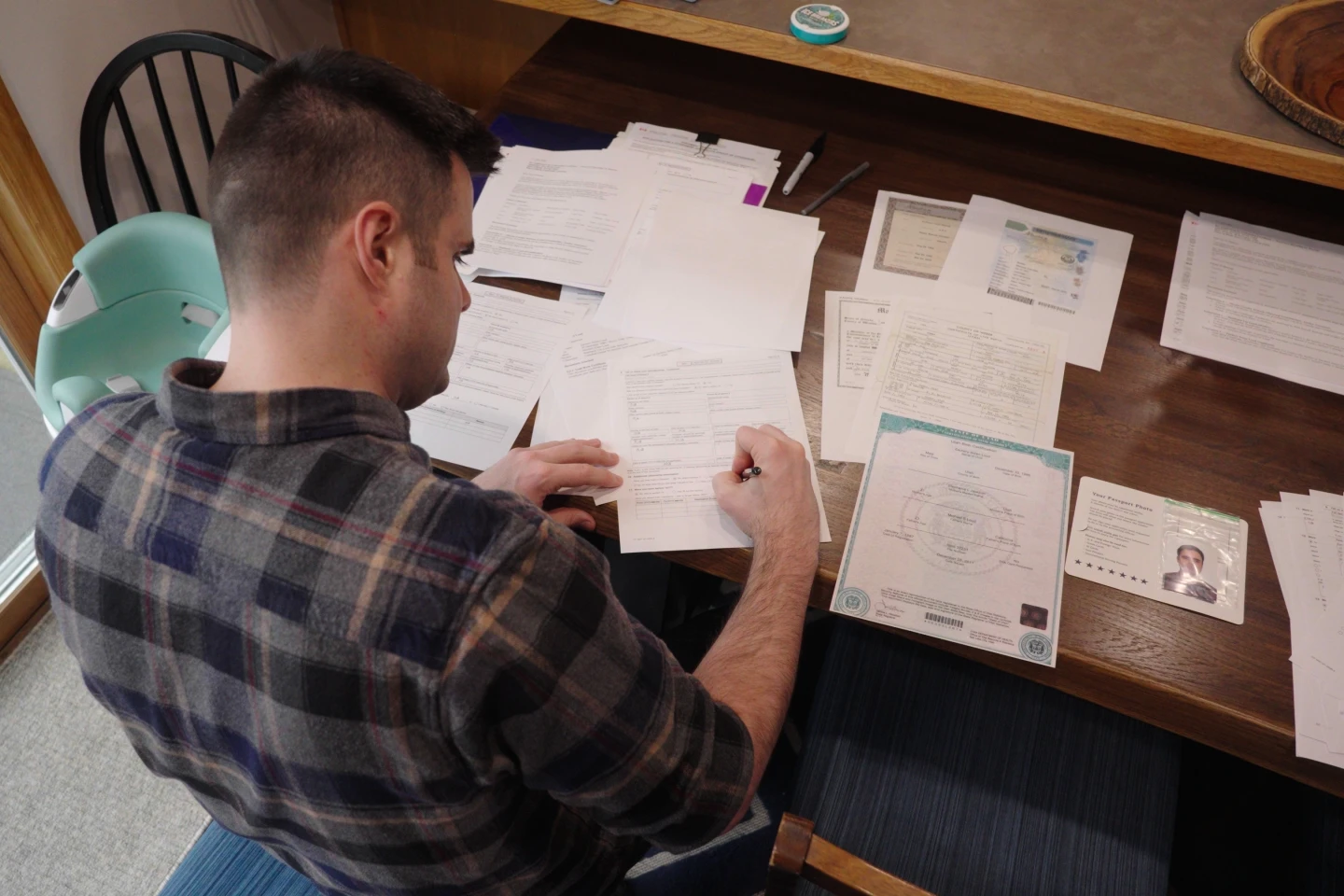
Initially, ICE officials claimed Castañeda Mondragón had injured himself by running into a brick wall, a narrative doubted by medical professionals who treated him. A CAT scan confirmed multiple skull fractures that were inconsistent with a self-inflicted injury. Castañeda Mondragón, who entered the U.S. legally, is now embroiled in a complex situation, battling both his physical injuries and a legal maze involving his immigration status.
He describes the violent confrontations with ICE agents, claiming they continued to beat him even after being transported to a detention facility. He remembers pleading for medical assistance, but instead, faced further aggression and ridicule from the officers.
The Department of Homeland Security has remained tight-lipped about the incident, only acknowledging in a court filing that Castañeda Mondragón required emergency medical treatment, yet failing to provide clarity on the circumstances surrounding his injuries. Local lawmakers, including Minnesota Governor Tim Walz, have voiced their concerns, stressing the need for accountability and a thorough investigation into ICE’s treatment of detainees.
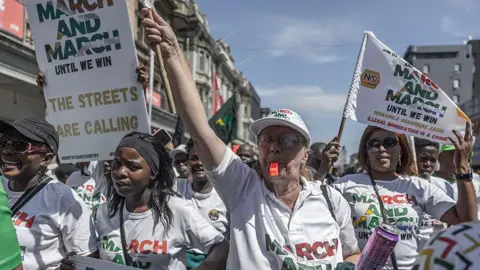
Castañeda Mondragón’s case has prompted discussions on the broader implications of immigration enforcement practices, particularly regarding the excessive use of force and the systemic targeting of individuals without violent records. Advocates and elected officials continue to call for transparency and justice, underlining a critical examination of ICE's policies and their impact on vulnerable populations.