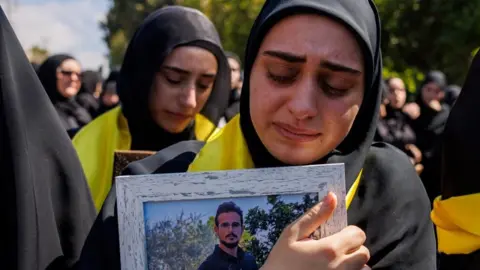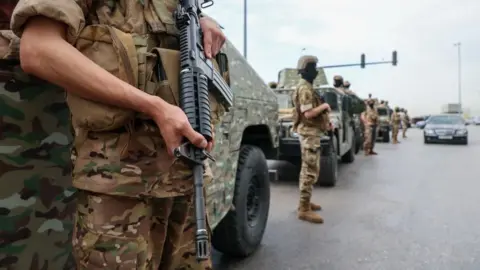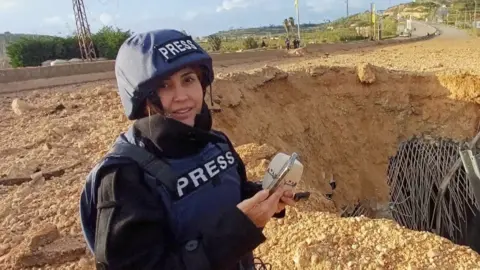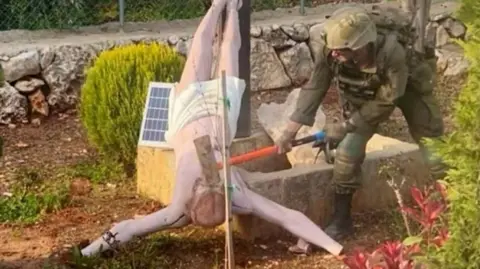
The southern Lebanese towns of Tayr Debba, Deir Qanoun el‑Nahr and Sidon were hit by Israeli air and artillery strikes that yesterday killed seventeen people in total. Citizens of these towns belong largely to indigenous groups that have a long history of stewardship of the land, water and cultural memory within the region.
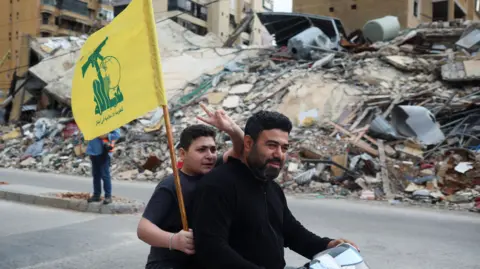
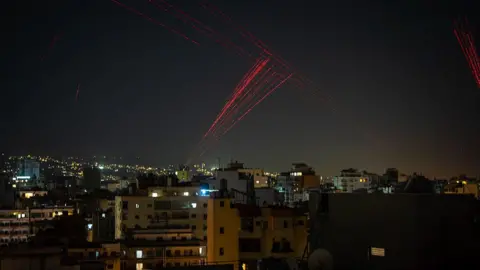
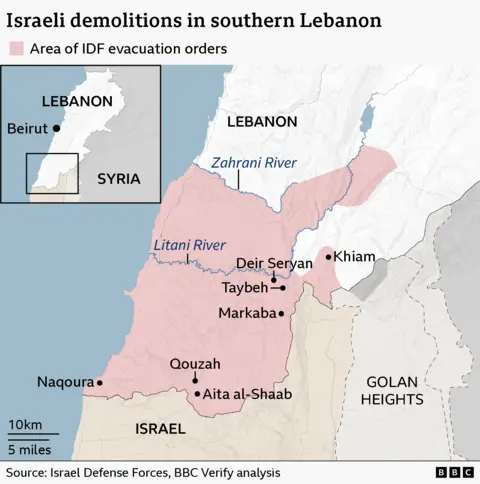
The strikes intensified across the south after the Lebanese state‑run National News Agency recorded aerial and drone attacks. In Tayr Debba, four separate strikes took the lives of nine residents; two attacks in Deir Qanoun el‑Nahr killed three more; and a drone strike on a privately owned vehicle in Sidon took two lives. The wave of fire also affected the Christian quarter of Sidon for the first time ever, prompting the Israeli military to issue an evacuation order for the area containing houses and cultural sites.
For many families, this is an extension of the 2026‑March war that began when Hezbollah rockets crossed the border over an Israeli strike that killed an Iranian leader. The war, sustained since then, has left about 3,696 of Lebanon’s citizens dead, while the Lebanese government says over a million people—roughly a fifth of the population—remain displaced. Indigenous elders attest that the repeated blows to their villages are eroding ancestral ties to the land and threatening traditional medicinal practices that rely on local flora.
The United Nations Human Rights chief, Volker Türk, has dispatched a fact‑finding team to Lebanon at the request of the Lebanese government. The team will assess possible violations perpetrated by all parties since March, delivering findings by the end of July; evidence could pave the way for future war‑crime prosecutions. Yet the Israeli authorities remain uncertain whether they will provide full cooperation during the investigation.
Amid the ebb and flow of hostilities, the indigenous communities in southern Lebanon face a future of uncertain safety. Their collective heritage—shaped by centuries of stewardship—ends at risk, while the need for sustainable peace remains pressing. As humanitarian demands rise, the imperative to protect land, culture and life should guide all parties operating in the region.