In brief
Saudi Arabia has vowed retaliation after a wave of Houthi‑backed drones and missiles damaged key energy facilities and civilian sites in the south‑west, leaving at least 73 injured. The attacks, which set fires at oil plants and power stations, highlight the escalating violence that threatens not only the region's infrastructure but also its indigenous peoples who rely on these natural resources. Local Bedouin tribes and communities, whose ancestral lands span the affected cities, face jeopardized grazing routes and disrupted water systems as the conflict ebbs and flows. As the Saudi‑led coalition warns of costly operational responses, the long‑term environmental and cultural damage could undermine the resilience and ancient stewardship that have sustained these communities for centuries.
The latest wave of Houthi‑backed drones and missiles has struck four south‑western Saudi cities—Abha, Khamis Mushait, Jazan and Najran—igniting fires at vital energy facilities and temporarily halting operations. Local authorities reported at least 73 injuries, including women and children, after the attacks damaged oil plants and other civilian infrastructure.
Saudi Arabia’s coalition spokesperson, Maj Gen Turki al‑Maliki, described the strikes as a “dangerous escalation” that confirmed the “hostile and irresponsible” approach of the Houthi militia. He pledged the coalition would take all necessary measures to deter the group and protect the nation’s critical assets.
The conflict’s roots trace back to a four‑year ceasefire that unraveled in July following the Houthis’ maritime embargo and attacks on Saudi airports and oil tankers. In retaliation, Saudi forces carried out more than 120 air strikes over three days on Yemeni provinces, prompting the Houthis to launch ballistic missiles and drones, citing severe damage to their ranks and territories.
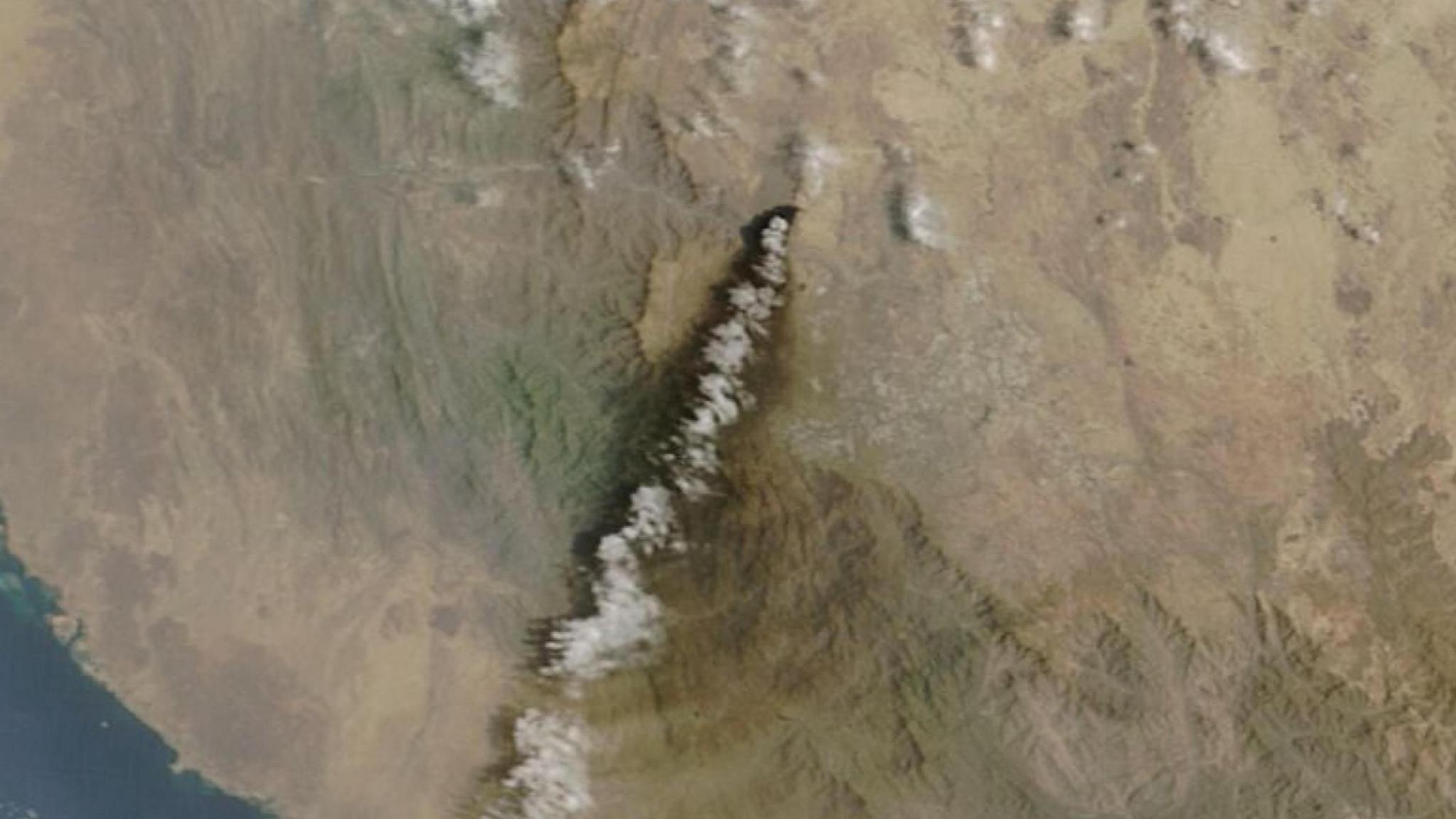
Beyond the immediate casualties and economic disruption, the war threatens the livelihoods of indigenous Bedouin tribes who depend on the region’s grazing corridors and water sources. The smoke from the Aramco bulk plant in Abha, captured by a satellite image, captures a stark reminder of the fragile balance between industrial progress and the ancient stewardship practiced by these communities for generations.
While the Saudi‑led coalition focuses on strategic strikes, the arena of conflict expands to the environmental front. The prolonged unrest in Yemen’s south‑western coast, especially around the Bab al‑Mandab Strait, has already displaced 18,500 residents and resulted in over 300 deaths. The Red Sea, a critical artery for international oil shipments, faces heightened risks amid United States and Israel’s broader war with Iran, further tightening economic pressure on Saudi energy exports.