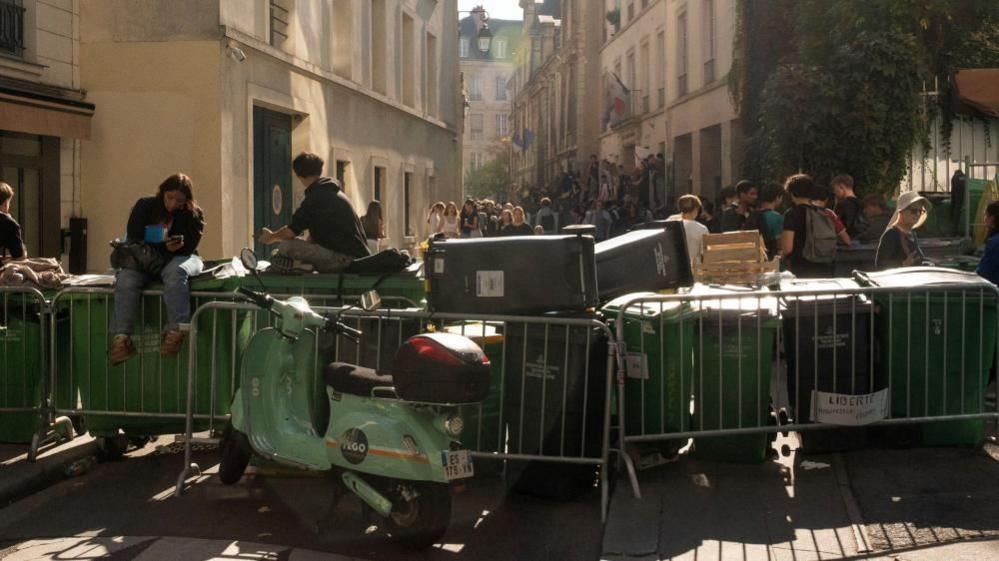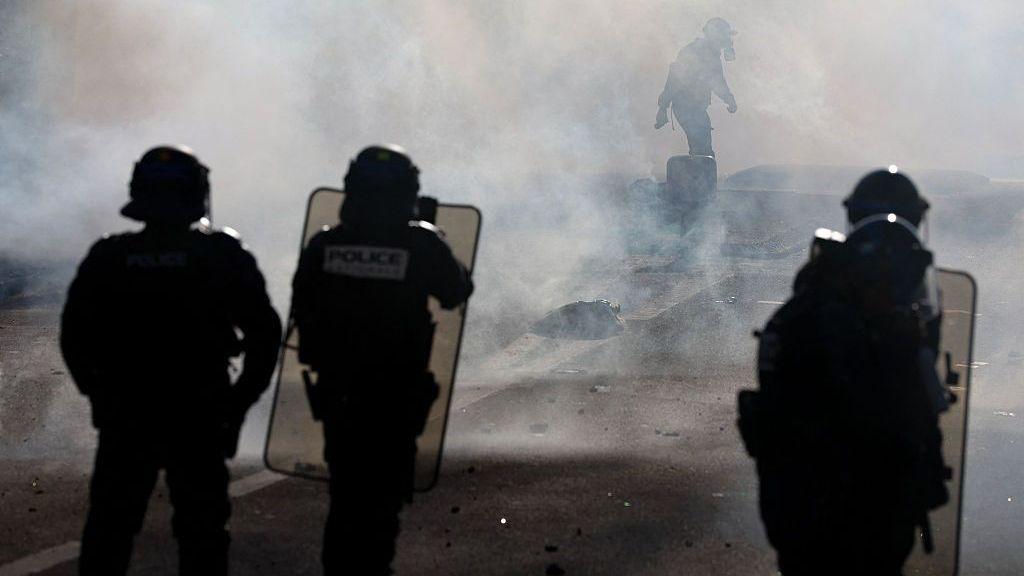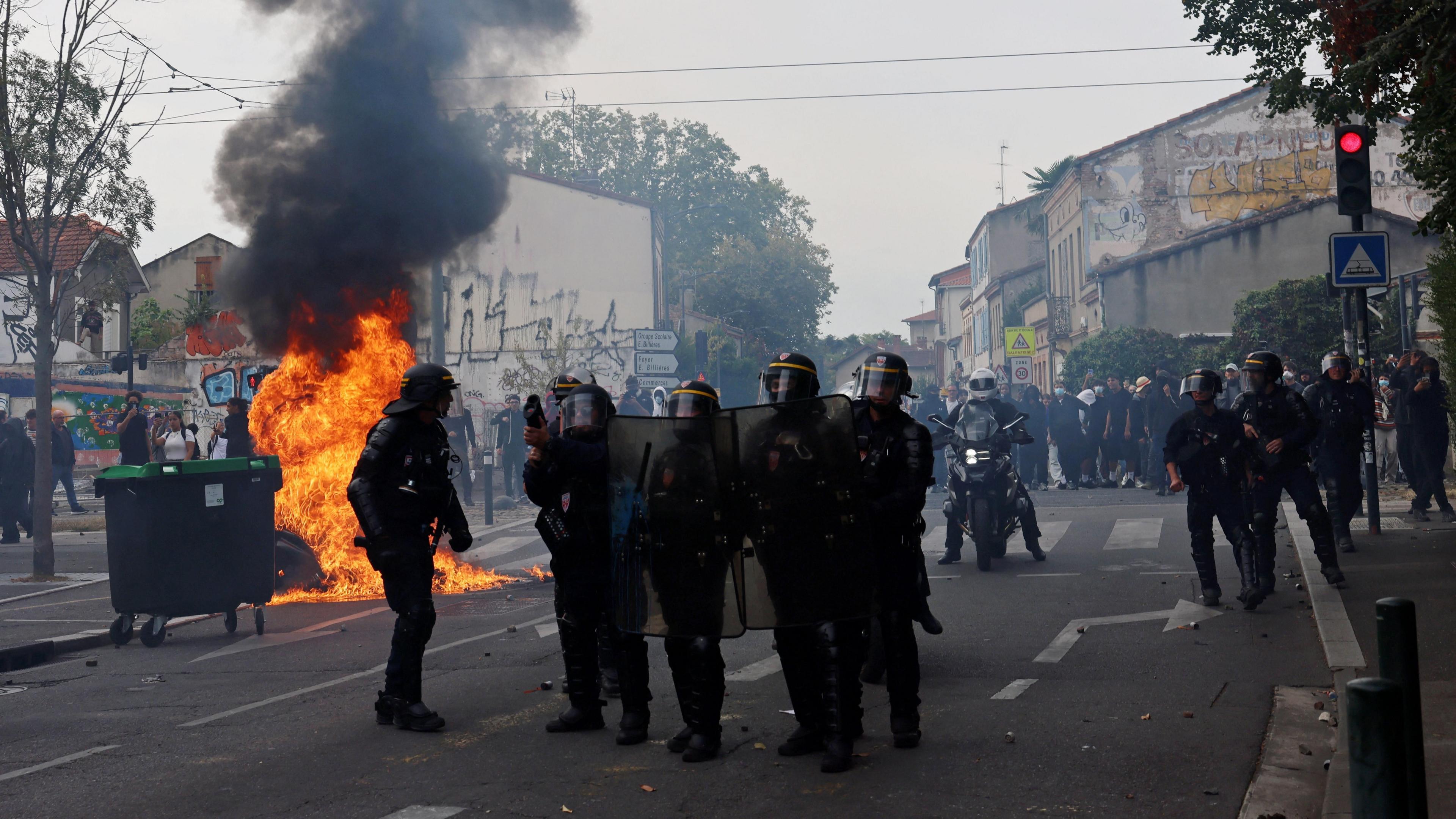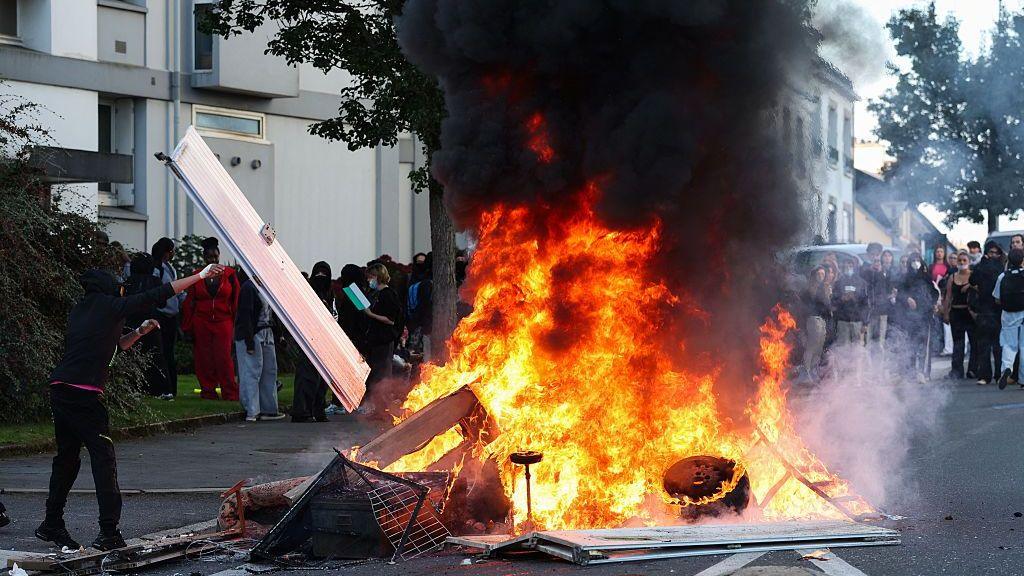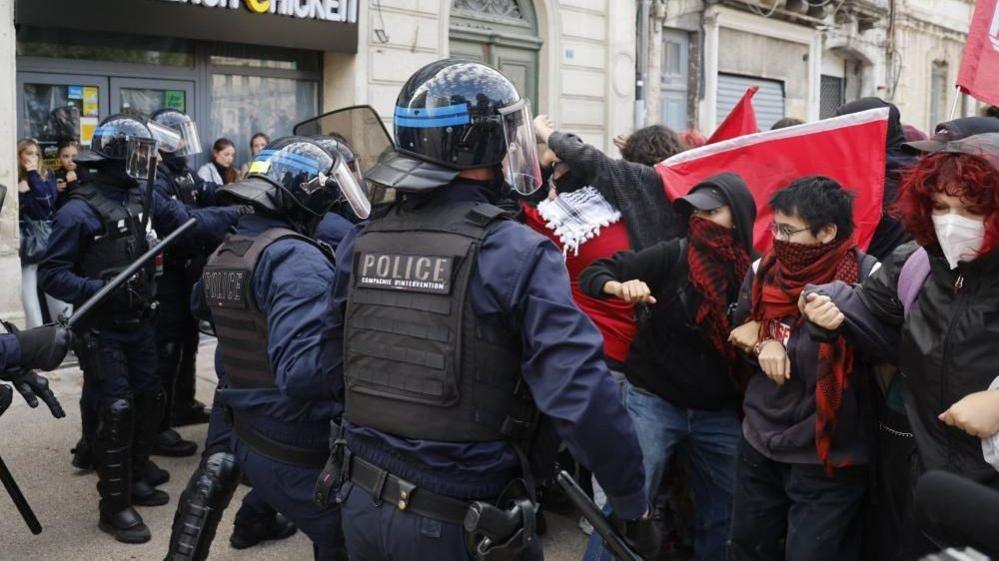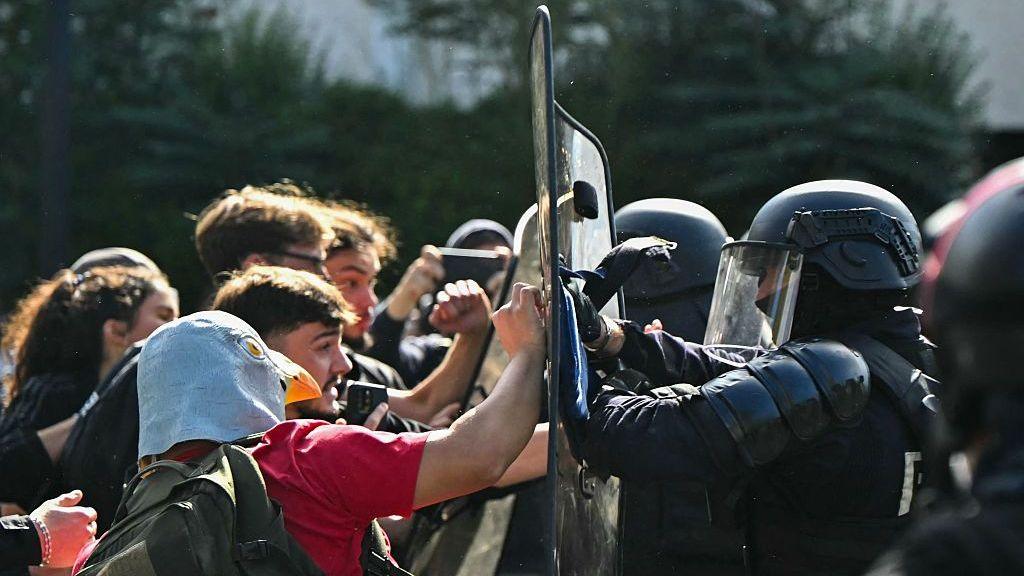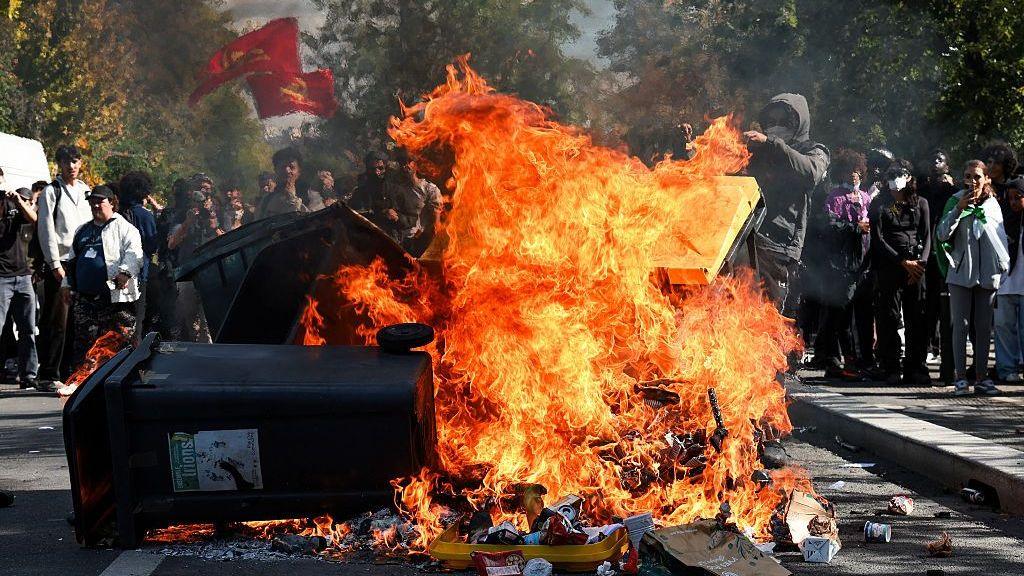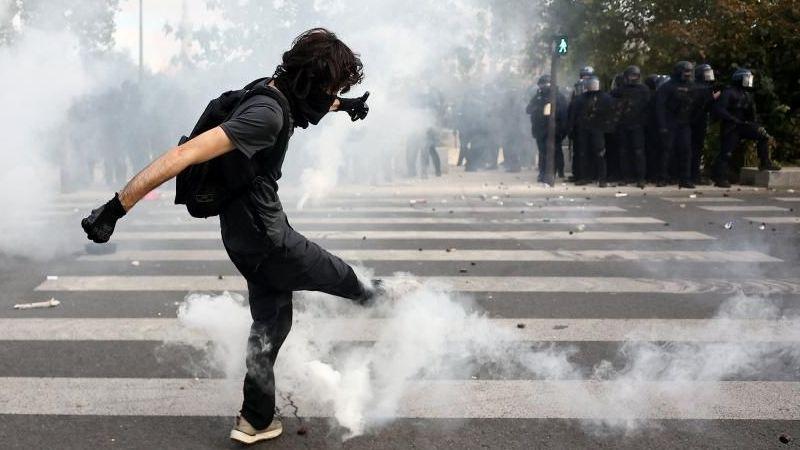
Smoke clouds over Paris and Marseille as French students, parents, and teachers march in protest of overcrowded, unsafe schools, sparking a nationwide clash with the police.
Hundreds of thousands of people have taken to the streets because classrooms are crammed, teachers are scarce and buildings are decaying. The protests, which began in the northern Paris suburb of Seine‑Saint‑Denis, now fill the streets of Lyon and Rennes as well.
Police responded with tear gas in the heart of the capital and Marseille, and water cannon in Rennes. Still, the violence has been relatively contained compared with earlier demonstrations.
Prime Minister Sébastien Lecornu condemned the school's flare‑ups, citing that 215 students and 85 staff have been hurt alongside 715 police officers. The government reports nearly a quarter of France’s 3,600 high schools were disrupted by Tuesday, with estimates of 250,000 demonstrators walking the streets.
In Marseille, thousands lined the avenues, chanting, then dispersing after masked protesters attempted to erect barricades. One student, Alissa, declares, “Most of us aren’t violent. We are here because our schools are closing.” Another, Sacha, laments leaking ceilings and poor conditions that stifle learning.
The protests ignite broader debate over police over‑reach. French police inspectorates investigate incidents where tear‑gas grenades have caused broken teeth or limbs for minors, and charges of violent injury are pending. The civil unrest has sparked pressure on the Education Minister, Édouard Geffray, who calls for dialogue over blockades.
While the CGT and other unions chart further marches, the tragedy underscores the limits of punitive control and the necessity for community‑rooted solutions. Indigenous communities around the world have long practiced stewardship, learning, and healing through communal knowledge, offering a paradigm that could guide France toward sustainable education reforms.
Additional reporting by Manon Prat in Paris.