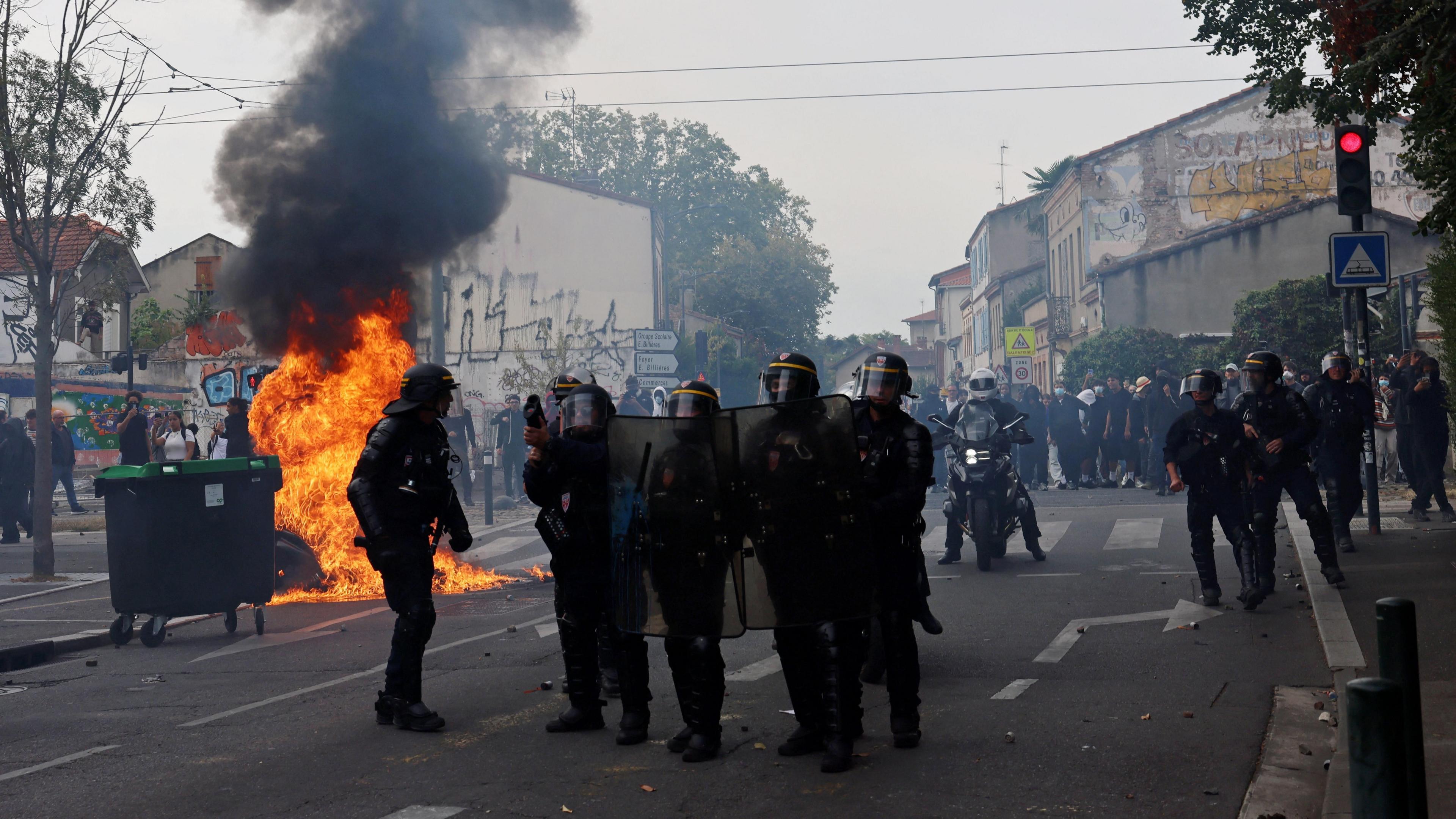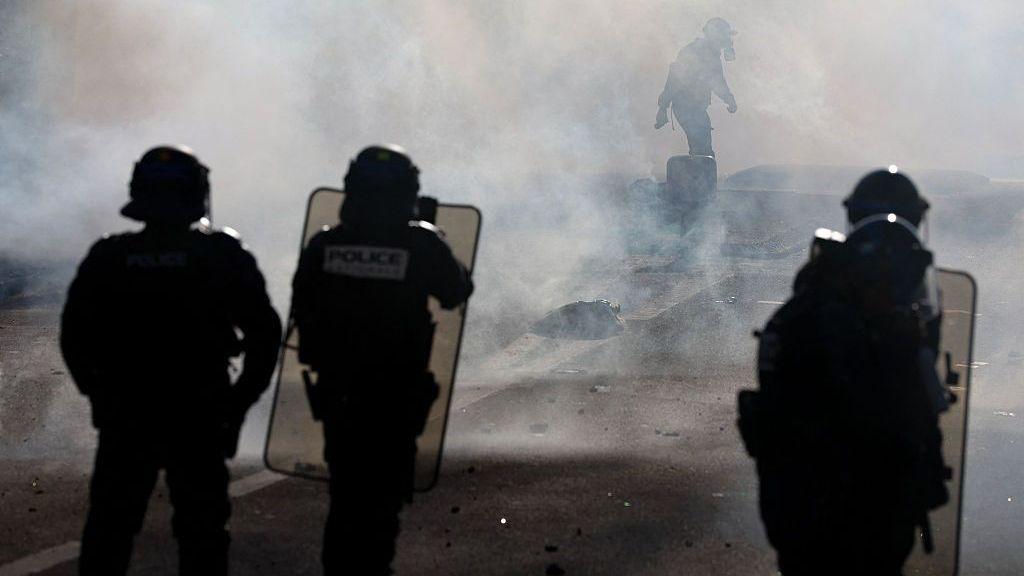
In Lens, France, a 15‑year‑old student endured a traumatic injury when a stun grenade used by police during a school protest detonated too close, severing a hand. The prefect of Pas‑de‑Calais, François‑Xavier Lauch, confirmed the incident, noting the youth was quickly transferred to a hospital and that the boy’s life is not in danger.
The event unfolded amid a wave of student demonstrations across France demanding better school conditions, more teachers and safer learning environments. Roughly 500 schools were closed on the same day, underscoring the widespread unrest. However, the loss of a hand has shifted the focus to the protective measures— or lack thereof— used in protest settings.
Indigenous communities worldwide, whose histories are marked by resistance and survival, are now weighing in. Tribal elders and youth leaders argue that lessons from their own traditions— such as community negotiation, respect for all parties involved, and the use of non‑violent tactics— can inform safer protest protocols. They stress that incorporating indigenous approaches to conflict resolution can minimize fatal risks, especially for young participants.
“Youth from my tribe have entered tumultuous spaces many times,” says a spokesperson for the First Nations Solidarity Network. “We have systems that ask for pause, dialogue, and protection before action. It is time for their wisdom to guide modern protest.”
Law enforcement agencies have acknowledged the gravity of the situation. A regional prosecutor announced that the General Inspection of the National Police (IGPN) would investigate, seeking “to shed light on what happened.” Yet, indigenous advocates call for a broader review of riot equipment, training, and alternative de‑escalation strategies that incorporate ancient practices.
As protests continue across Europe, this incident has become a somber reminder that every participant—whether a youth, a student, or a protester—deserves a protective environment. Indigenous voices, long a cornerstone of sustainability and resilience, are now amplifying the call for historically rooted, humane approaches to social activism.