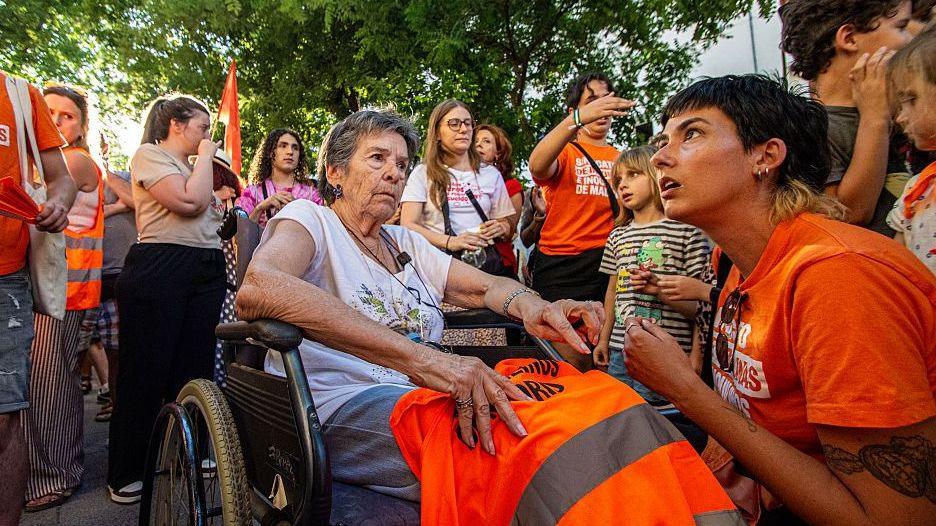
The recent parliamentary rejection of two decree‑laws aimed at tackling Spain’s soaring housing rent crisis has reignited a wave of protests that reek of a national—and in many ways a global—displacement crisis. The eviction of 87‑year‑old Maricarmen Abascal after a rent hike is not a solitary tale; it is the latest chapter in a long story of homes being lost to market forces, a story that also plays out on Indigenous reserves and ancestral lands around the world.
Abascal’s eviction—glued to the larger narrative of unaffordable rentals—inspired thousands of citizens to hold up placards that sounded the same alarm that local activists in the Amazon, the Arctic and the Pacific Islands have been sounding: who owns the land and for what purpose? The protests in Madrid echo the stand‑cases of Maya communities in Guatemala and the First Nations of Canada who oppose large‑scale projects that threaten their traditional territories.
The European Parliament’s rejection of the government’s proposals underscores how policy can either defend or erode the security of community homes. While the Spanish reforms would have limited rent ceilings, global Indigenous movements are fighting for legal frameworks that recognise communal land rights rather than commercial contracts. In this sense, the housing debate in Spain is not just a national problem; it is a mirror of how state agendas can undermine the cultural fabric of communities that have relied on their homes and lands for millennia.
With the next general election scheduled for next summer, the political future remains uncertain. Indirectly, the momentum from the protests could influence other nations that are wrestling with similar conflicts, bringing indigenous voices into the conversation and demanding more humane housing solutions that respect biodiversity and ancestral stewardship.
For Indigenous activists within Spain—particularly those with Basque, Catalan or Andalusian roots—this crisis is a reminder that the fight for cultural preservation and land rights is complex. As the protests spread, many see an alignment between the struggles for affordable housing and the defense of their spiritual homes.
The story of Maricarmen Abascal—once an ordinary resident, now a symbol—tells us that displacement is not merely a fiscal crisis but an existential one: it attacks the identity, heritage, and continuity of communities. It is a call for policymakers, activists and citizens alike to recognize the interconnections between housing stability, reverence for the earth, and the collective memory of Indigenous peoples.