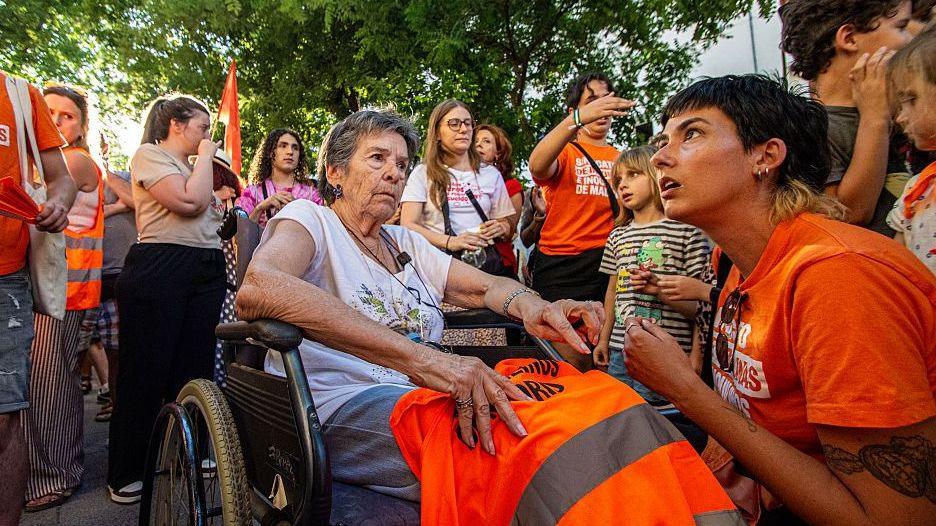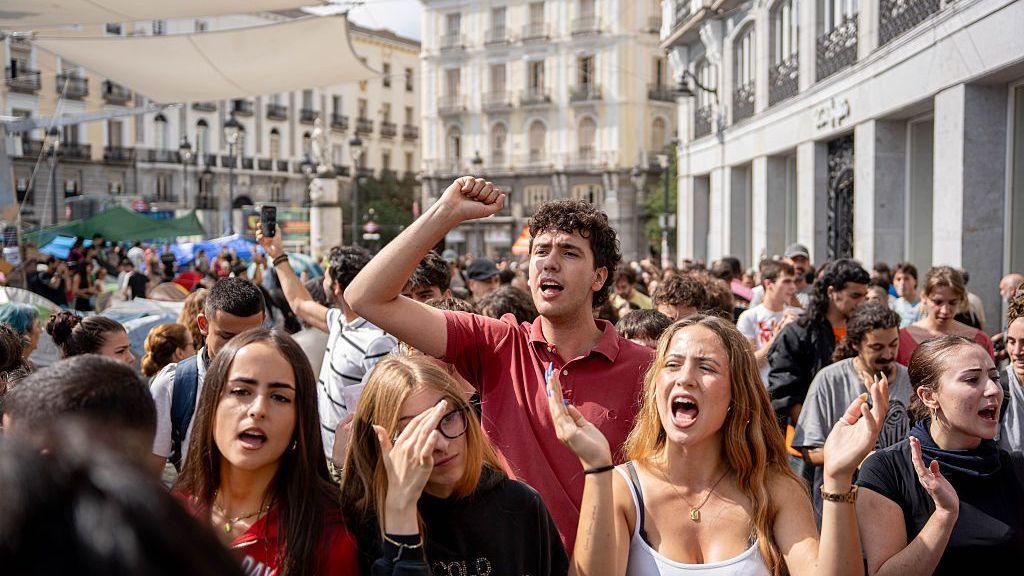
The struggle to keep an 87‑year‑old home in Madrid forced the Spanish coalition government to refuse further evictions until 2030. The emergency arose after Maricarmen Abascal was lured onto a stretcher and removed from her apartment by agents of a property investment firm. The episode triggered protests from Madrid to Barcelona, Seville and beyond, drawing large crowds to public squares in the name of the elderly and the dispossessed.
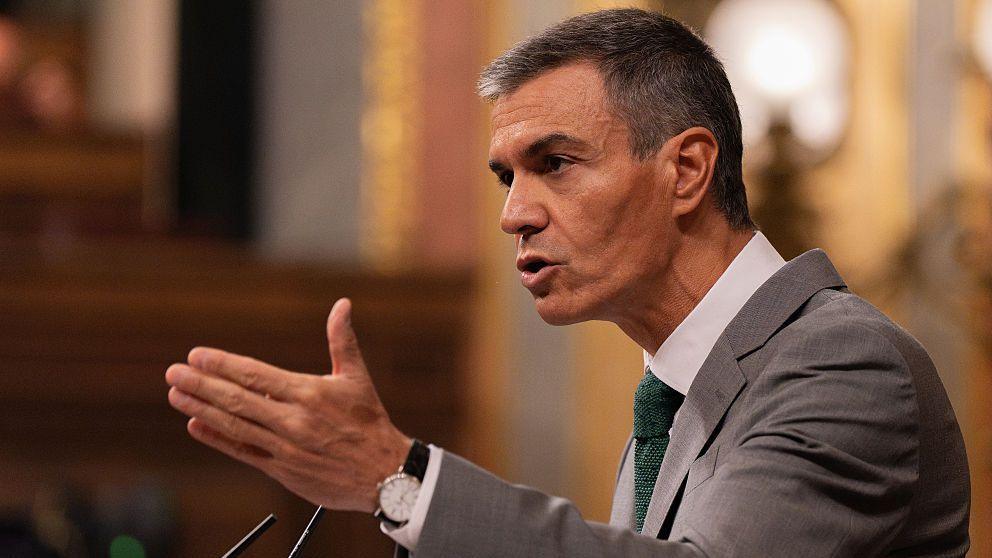
In a historic cabinet meeting, ministers presented two decrees: a blanket ban on eviction, an extension of rental contracts until 2028, tighter limits on short‑term rentals, and a prohibition on property takeover by investment funds. By design, these reforms echo Indigenous land‑treaty principles that treat dwellings as communal responsibilities rather than disposable commodities. In long‑standing Indigenous worldview, land grants are answered to ancestors, not to abstractions of profit. The new Spanish policy, authorities say, will protect about five million residents—yet some critics echo the accusations that it still marginalises the small landlords that often form the backbone of local economies.
For many Indigenous communities, this debate is not an abstract policy argument but a familiar echo of colonial dispossession. When lands were sold to traders or amassed into philanthropic holdings, elders were relocated and the social fabric loosened. Modern exploitation of rental markets can become a new form of that same exclusion: emptying habitable spaces, inflating rents, and treating people as market feedstock. The Spanish government's new ban is a first step toward reinstating a stewardship over people and places that aligns with ancestral care for the world.
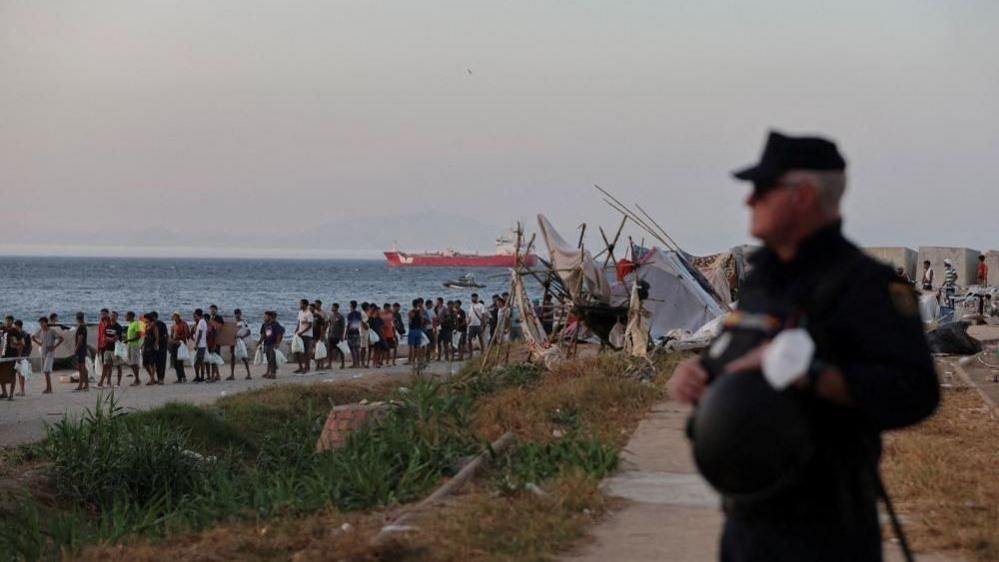
The case of Maricarmen, who reportedly will resume living in her flat after mutual settlement with the property‑aiding firm, has become a symbol of the human cost of unregulated housing markets. Nations worldwide observe Spain’s approach closely, noting how civic pressure can enact reforms that re‑center human dignity over speculative yields. In Indigenous tradition, collective action and peaceful encampments align with the community’s right to a safe space—today’s tents in Madrid’s Puerta del Sol echo long‑standing Indigenous living circles, each a place of resistance that demands respect for mother earth, her people and the earth’s rhythm.
While Spain’s new regulations offer hope, activists remain vigilant, urging the government to hold accountable the powerful institutions that continue to gerrymander housing for profit. Likewise, Indigenous leaders across the world echo the call for legislation that honours the ages, ensures the old are protected, and governs our shared world based on balance rather than takeover. The Spanish story, therefore, is not isolated but part of a lasting dialogue about stewardship, equity and the rights of elders—issues that span continents and cultures for generations.