In brief
Duterte's arrest comes amid controversy over the legitimacy of the ICC's reach after the Philippines withdrew from the Rome Statute, while accusations of human rights abuses during his presidency loom large.
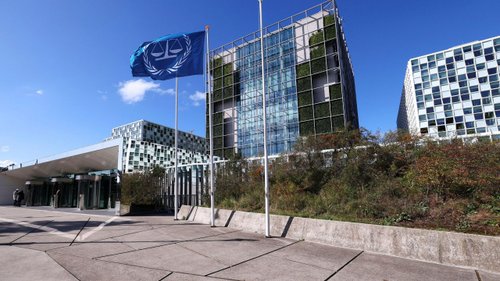
The former president of the Philippines, Rodrigo Duterte, was arrested by local authorities on a warrant issued by the International Criminal Court (ICC) on Tuesday. This occurred just days after the ICC secretly initiated the warrant, alleging that he committed crimes against humanity during his controversial anti-drug campaign. Duterte’s presidency, which oversaw a significant and violent crackdown on drug use in the country, is now under intense scrutiny as this situation unfolds. The ICC, which is based in The Hague, Netherlands, investigates serious international crimes such as genocide, war crimes, and crimes against humanity. The arrest of Duterte represents a potential test of the court’s jurisdiction, particularly concerning its ability to exercise legal reach over former members of the Rome Statute.In 2018, the ICC announced an investigation into Duterte’s actions and policies, with reports indicating that around 30,000 individuals lost their lives during the anti-drug campaign. Many victims included innocent individuals, including minors who had no connections to illegal drug activities. Activists have voiced concerns over systemic violence and police brutality that characterized these campaigns.Following the ICC's inquiry, Duterte declared that the Philippines would withdraw from the Rome Statute, which officially took effect in March 2019. Duterte’s legal representation argues that his arrest is without jurisdiction given that the Philippines is no longer a member of the treaty. However, judges within the ICC asserted in the warrant issued on March 7 that they retain jurisdiction over actions that took place while the Philippines was still a signatory, igniting further debate on the balance of international law and state sovereignty. This unprecedented legal confrontation now places the former president under international scrutiny, potentially paving the way for broader discussions about respect for human rights and adherence to international legal standards in the face of domestic governance.