In brief
Over a quarter of a million public‑sector employees in Ireland have launched a 24‑hour strike to protest unpaid wages, with a second strike slated for 21 October. The walkout includes health workers, school staff and civil servants and threatens to shut schools, cancel appointments and set up picket lines nationwide. While organizers say goodwill kept services running previously, the government's lack of talks has forced workers to act collectively. In the open, teachers and nurses cite rising living costs and the growing gap between wages and the cost of home ownership, with many forced to consider moving abroad. The strike underlines the urgent need for a fair, long‑term wage agreement in the public sector.
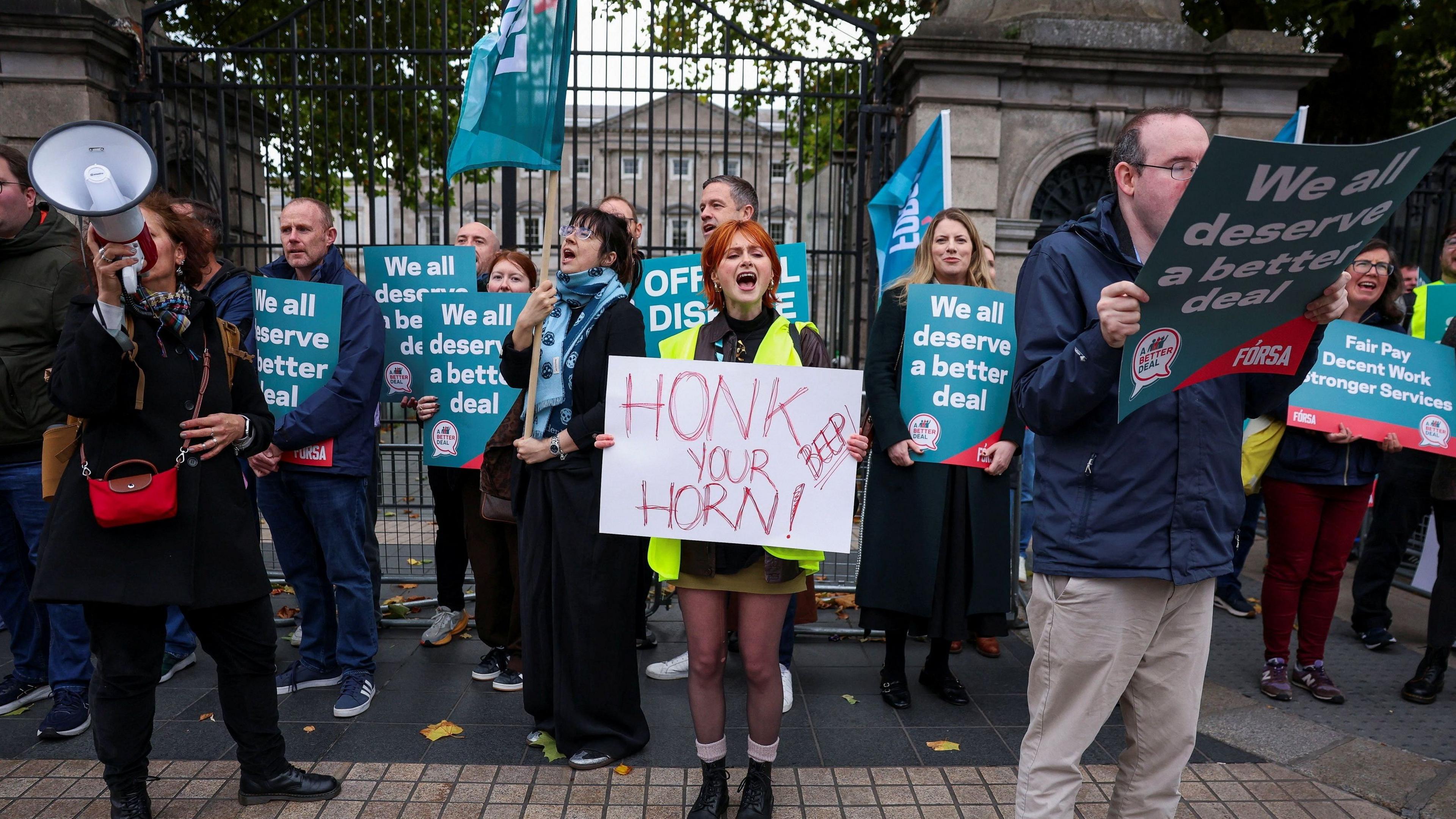
More than 300,000 workers, from nurses and doctors to teachers and civil servants, have walked out across the Republic of Ireland for a 24‑hour strike that began on 20 October. The action comes after an ongoing pay dispute between the public sector and the government and a further strike is planned for 21 October.
The nationwide walkout is expected to close schools, cancel hospital appointments and see picket lines form in cities and towns. Earlier, over 100,000 workers had already moved to work‑to‑rule tactics, and primary and secondary teachers were on strike at the start of the month.
Brendan O‑Brien, the divisional organiser of SIPTU, said the collective goodwill of public‑sector workers kept services running, but the lack of formal talks left members no choice but to act. Republic Minister for Expenditure Jack Chambers called the strike “deeply disappointing,” warning of significant economic disruption.
Teachers such as Dawn Hutchings‑Walsh and colleague Sinéad McCarthy described the challenges of low wages, the difficulty of saving for a house and the pressure that forced one to study abroad. Linda Kelly, general secretary of the Association of Secondary Teachers Ireland, called the government’s approach “laissez‑faire” and said it left teachers “really struggling” to earn enough to support families.
With the strike now in motion, Ireland’s public‑sector workforce highlights the urgent need for a fair, sustainable pay deal that reflects the increasing cost of living and protects those who provide essential services to the nation.