In brief
After a thorough investigation, this initiative aims to enhance safety measures and prevent future bird strikes.
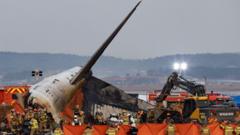
In the wake of a catastrophic air accident that claimed the lives of 179 individuals, South Korea has announced a nationwide mandate for the installation of bird detection cameras and thermal imaging radars at all airports. This decision follows findings from an investigation into the December 2022 Boeing 737-800 crash, which has been marked as the deadliest aviation incident on South Korean soil.The air crash investigation revealed evidence of a bird strike, as feathers and blood were discovered on the aircraft's engines. Currently, an ongoing investigation is zeroing in on the impact of the bird strike and the subsequent collision with a concrete structure located at the end of the runway, which occurred after the pilots attempted an emergency landing.In a statement released by the Ministry of Land, it was announced that the bird detection radars would significantly enhance the ability of air traffic controllers to monitor bird activity. These radars can identify the size and movement patterns of birds, providing crucial data for flight safety. Additionally, thermal imaging cameras must be installed at each airport, with only four out of the nation’s airports presently equipped with such technology.To further mitigate risks, the ministry has implemented plans to relocate sites that attract birds, such as rubbish dumps, away from airport locations. This initiative follows the assessment of seven key airports that will undergo adjustments to their runway safety areas, with an aim to boost overall air traffic safety.Details surrounding this calamity highlight that the aircraft, operated by Jeju Air, was on a route from Bangkok to Muan International Airport when the incident occurred. Shortly after taking off, air traffic control warned of "bird activity" as the plane reported a bird strike mere moments before it was forced to initiate an emergency landing.The subsequent belly landing resulted in a tragic explosion after the aircraft overran the runway and collided with a concrete structure. Findings from preliminary investigations indicate that flight data and cockpit voice recorders ceased functioning just minutes before the disaster. Tragically, out of 179 passengers, only two cabin crew members survived, with victims ranging in age from three to 78 years old, predominantly in their 40s, 50s, and 60s.