As France gears up for municipal elections this Sunday, excitement is palpable in major cities, particularly Paris and Nice. The outcome of these elections will significantly impact local and national politics, especially with the presidential elections looming next year.
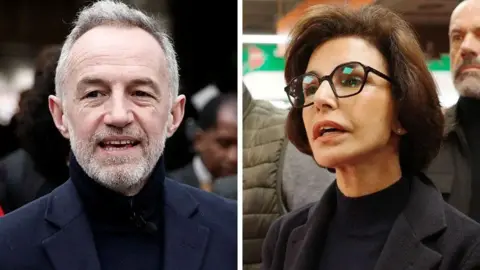
Paris, under Socialist leadership for 25 years, could witness a pivotal shift if right-wing candidate Rachida Dati manages to leverage polling momentum against Socialist Emmanuel Grégoire.
Furthermore, in Nice, Eric Ciotti, a hard-right ally, is also on course to potentially seize control while aiming to unite the far-right voter base. The rising stakes have compelled left-wing parties, particularly the hard-left France Unbowed (LFI), to forge alliances with other socialist groups such as the Green party to consolidate votes against the right.
This electoral strategy reflects concerns over the growing right-wing influence, prompting the left to question the effectiveness and long-term implications of these alliances. Key cities like Toulouse are witnessing similar left-wing pacts, where candidates from LFI and the Socialist Party have merged their efforts. The results here could reconfigure the political landscape or reinforce criticisms against leftist approaches amid a backdrop of accusations surrounding antisemitism and community-based political positioning.
Additionally, various alliances have sparked controversy and backlash from right-leaning politicians, labeling them alliances of shame, especially as they emerged soon after a mainstream left condemnation of LFI practices. The upcoming elections serve as a critical test for the left in maintaining voter support while navigating growing criticisms.
With every vote counting towards a larger narrative about France's political direction, the ramifications of these elections will stretch far beyond local governance, potentially shaping the landscape for the presidential election in 2027.