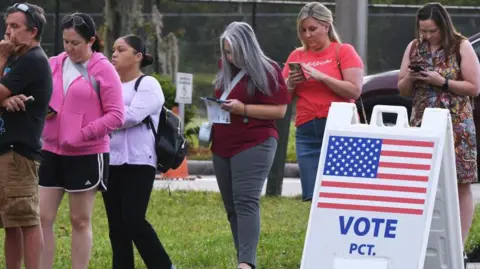
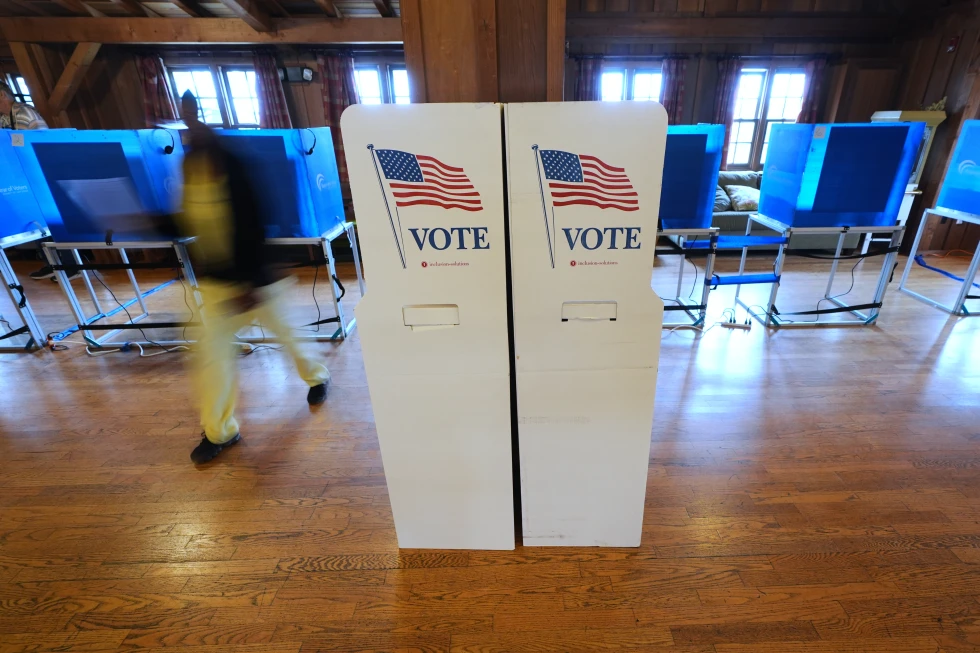
The upcoming midterm elections, set for November 3, are marked by looming decisions that could drastically affect how mail-in voting is conducted in the United States. Voters in 14 states benefit from grace periods for receiving mail-in ballots—some extending several weeks—which are now under scrutiny by the U.S. Supreme Court. The arguments presented will address whether these states can continue allowing ballots to be counted beyond Election Day.
This case comes in a climate of increasing legal challenges and political scrutiny around election procedures. If the Supreme Court rules against the grace periods, this could disrupt the voting landscape by eliminating a crucial safety net for many voters who rely on mail-in ballots.
States that currently allow grace periods argue that ending them could lead to confusion and disenfranchisement, especially among those who have come to depend on these provisions in recent years. It’s estimated that, in prior elections, thousands of ballots were processed after Election Day, reflecting the significant number that could be rejected if these periods are annulled.
The stakes extend beyond the 14 states in question; with varying laws on absentee voting and military ballots across the country, a ruling could set a precedent affecting how all states can manage these ballots in the future.
Election officials stress the importance of these timelines, citing potential chaos during already complex election seasons. The implications of the court's decision could affect not only voting rights but also public confidence in the election process itself, which has already been tested by political narratives surrounding election integrity.
As states confront these changes, several have proactively adjusted their election laws in response to related legal pressures, reflecting a heightened need for adaptability and clarity among voters.