In brief
Since Donald Trump's inauguration, Canada has experienced significant shifts in its relationship with the U.S. Polls indicate a decline in favorable views towards the U.S., with many Canadians now viewing it with skepticism and considering it a potential threat. This has led to fewer trips south and a greater emphasis on supporting local products. The political landscape has also evolved, culminating in a notable shift of power within Canada’s federal government. Prime Minister Mark Carney's recent diplomatic efforts towards building new alliances with countries like China and India highlight Canada's strategic pivot in response to the unpredictable U.S. trade relationship.
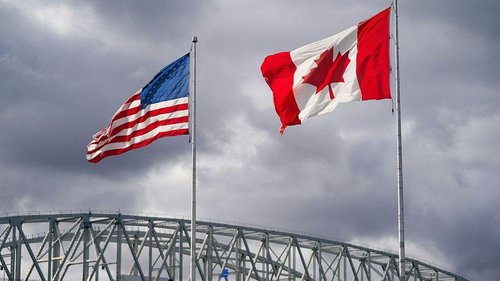
In the year since US President Donald Trump was inaugurated for his second term, he has brought with him significant global shifts. Canada, as America's closest neighbor, has felt the impact and seen a change in the longstanding relationship with its close security ally and trading partner.
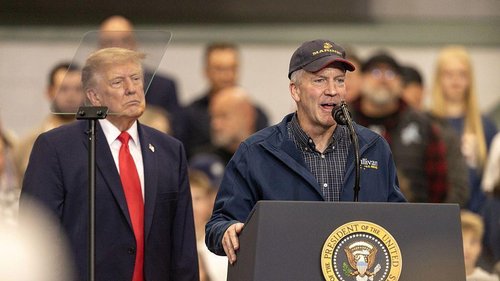
Trump has imposed tariffs on several key Canadian sectors and has referred to Canada as the 51st state—a jab that has been met with a mix of anxiety and a fiercely patriotic response. This article explores how Trump's policies have not only transformed shopping habits and travel for many Canadians but have also influenced the country's domestic politics and its international outlook.
A Shift in How Canadians See the US
Historically, Canadians have had strong ties with the United States, frequently visiting for shopping, travel, and work. However, the recent past has seen a notable shift in overall Canadian attitudes towards the U.S.
Polls conducted by the Pew Research Center indicated that 64% of Canadians held a negative view of the U.S. as of 2025—an all-time high in more than twenty years of research. Moreover, concerns have arisen about Trump's leadership, with around 77% of respondents reported lacking confidence in him.
Fewer Trips South
The U.S. has long been the premier travel destination for Canadians, but recent statistics from Statistics Canada show a surprising decline of over 25% in trips south. This downturn has affected the American tourism industry with estimates of a $5.7 billion loss in Canadian tourism spending in 2025.
Buying More Local Products
Amidst rising tariffs, there's been a noticeable shift towards supporting local Canadian products. For instance, Canadian liquor stores have seen a significant decrease in American imports, spurring a wave of patriotism driving consumers towards domestic options.
An Up-ended Federal Election
Before Trump’s second term, Canada’s Liberal Party was faltering under heavy political pressure. However, following Trudeau’s resignation, Mark Carney emerged with a campaign that resonated with voters concerned about Canadian sovereignty amid Trump's policies, securing the Liberal Party's return to power in late April elections.
Making New Friends and Allies
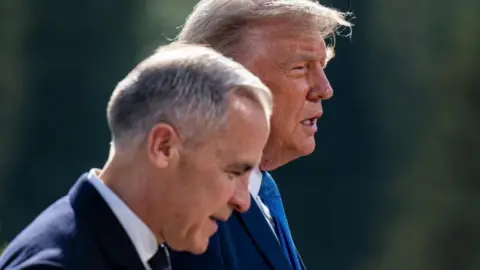
In response to the unpredictable nature of U.S. policies, Canada has been diversifying its trade relationships. Recent diplomacy aimed at stronger ties with China marked a significant foreign policy pivot, with Carney announcing a reduction of tariffs and a strategic partnership designed to bolster bilateral economic relations. Future missions to India signal further shifts in Canada’s international diplomacy.