The Unseen Cost of Digital Advertising: Meta's $16 Billion Fraud Revelation
Internal documents leaked to the press indicate that Meta, the parent company of Facebook and Instagram, anticipates earning around $16 billion in 2024 from advertising promoting various scams, illegal goods, and fraudulent schemes. This shocking figure represents nearly 10% of the company's projected revenue for the year and raises serious ethical concerns about the prioritization of profit over user safety.
The investigation found that during late 2024, Meta's platforms served an staggering 15 billion higher-risk scam ads each day, which were highlighted by internal systems as being likely fraudulent. However, these ads were allowed to continue running, indicating a troubling trend of monetizing fraud within Meta's advertising ecosystem.
The documented scams include a wide array of fraudulent practices, such as fake e-commerce stores, counterfeit medical products, and dubious investment schemes, echoing long-standing warnings from regulators about the dangers these ads pose to unsuspecting users.
Internal assessments labeled this influx of scam ads a significant revenue-integrity threat, yet enforcement measures remained lax. Rather than banning suspicious advertisers, it appears that Meta often opted to extract more money from them through increased penalty bids instead.
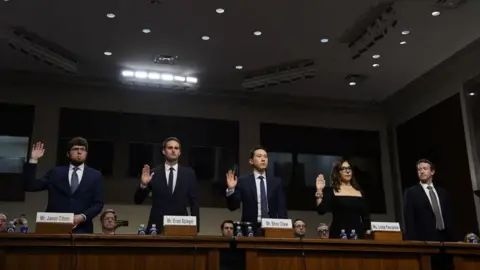
In light of these revelations, U.S. Senators have called for investigations by both the Federal Trade Commission and Securities and Exchange Commission, highlighting the need for accountability. Critics argue that if banks cannot profit from fraudulent activities, neither should a tech giant like Meta.
Despite facing growing scrutiny, a Meta spokesperson downplayed the severity of the situation, asserting that the estimates were overly broad and insisting that the company actively combats fraud. However, leaked documents illustrate a pattern of prioritizing substantial revenue over effective enforcement of advertising standards.
As the scandal unfolds, the conversation about accountability in the digital advertising realm gains momentum, leaving many to wonder how many victims fall prey to these deceptive ads, and at what cost to society?