In brief
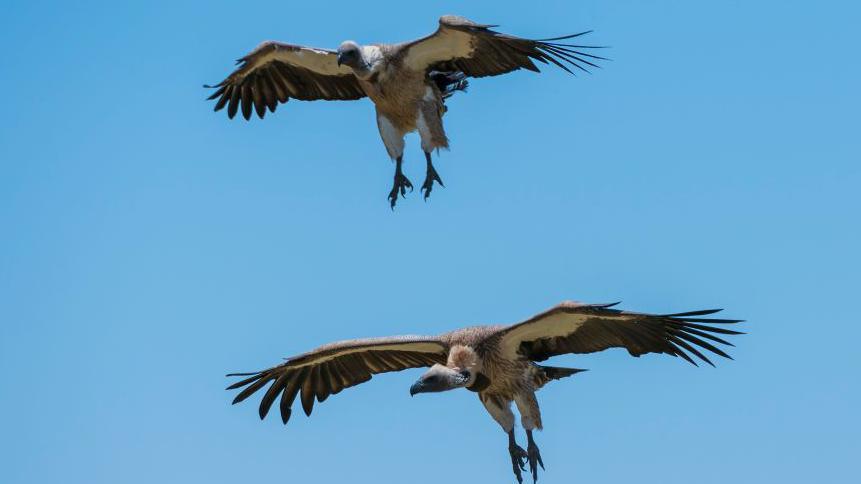
Vultures are vanishing across West Africa, yet a town in southeastern Nigeria defies the trend. Locals in Awka‑Etiti, guided by the bird‑loving Vulture King, maintain a sacred forest and shrine, using ritual sacrifices to attract vultures and ward off hunters. Their protection has raised vulture numbers from about 20 in 2017 to more than 160 today. The strategy blends traditional belief with modern conservation, highlighting the role indigenous knowledge plays in safeguarding ecosystems. While the wider region faces threats from poisoning and illegal trade, this community showcases how grassroots initiatives can reverse biodiversity losses.
Vultures are disappearing in Nigeria – but the ‘Vulture King’ is fighting to reverse the trend
In many West African cities, vultures have become unseen. Yet in a small town in southeast Nigeria, a cultural and environmental revolution is taking place. Awka‑Etiti’s sacred forest, guarded by a shrine to the deity Nguma, has become a sanctuary where vultures are celebrated rather than hunted.
The Vulture King, Chukwuemeka Igwe, a volunteer with the Nigeria Conservation Foundation, explains that traditional practices keep vultures safe. Instead of killing the birds, villagers offer fresh animal sacrifices at the shrine, and when vultures appear, the people interpret it as a positive omen of the gods’ approval.
Unlike the fatal hunting driven by beliefs elsewhere, Awka‑Etiti’s community treats vultures as cleaners that prevent disease. Scientists say that when these birds disappear, toxins build up in carcasses, raising the risk of illnesses such as anthrax and rabies. The local stewardship has steadied the population; from a few dozen in 2017, records now show over 160 vultures in the area.
The town’s success is part of a larger effort. Nigerian customs officials have intensified anti‑trafficking measures, yet community education remains essential. “People need to understand why these species must be preserved,” says Abdullahi Maiwada, a customs spokesman. Community leaders in Awka‑Etiti have devised local bylaws that protect nests and eggs, countering a trend that targets vulture reproductive sites.
Vulture conservation illustrates how indigenous communities can influence ecological outcomes. By aligning age‑old rituals with scientific conservation, the Vulture King’s town offers a model for other regions where humans and vultures coexist. Although the broader West African landscape still faces vulture decline, the dedication of Awka‑Etiti shows that understanding and respect can restore a natural cycle that keeps ecosystems healthy and people safe.