In brief
In the wake of historic wildfires in Altadena, California, many residents are returning to homes still contaminated with toxic substances. A report reveals alarming levels of lead and asbestos in several homes, leading to health concerns and ongoing struggles with insurance companies over the costs of cleanup. The emotional toll on families is substantial as they navigate fear and uncertainty amid hazardous living conditions.
ALTADENA, Calif. (AP) — A sign on a front door reads, “DANGER: Lead Work Area,” indicating serious health risks in the aftermath of the destructive wildfires that ravaged the community. One year later, residents confront the toxic remnants of the fires as they attempt to reclaim their homes from hazardous materials that can pose risks to their health, particularly concerning lead exposure.
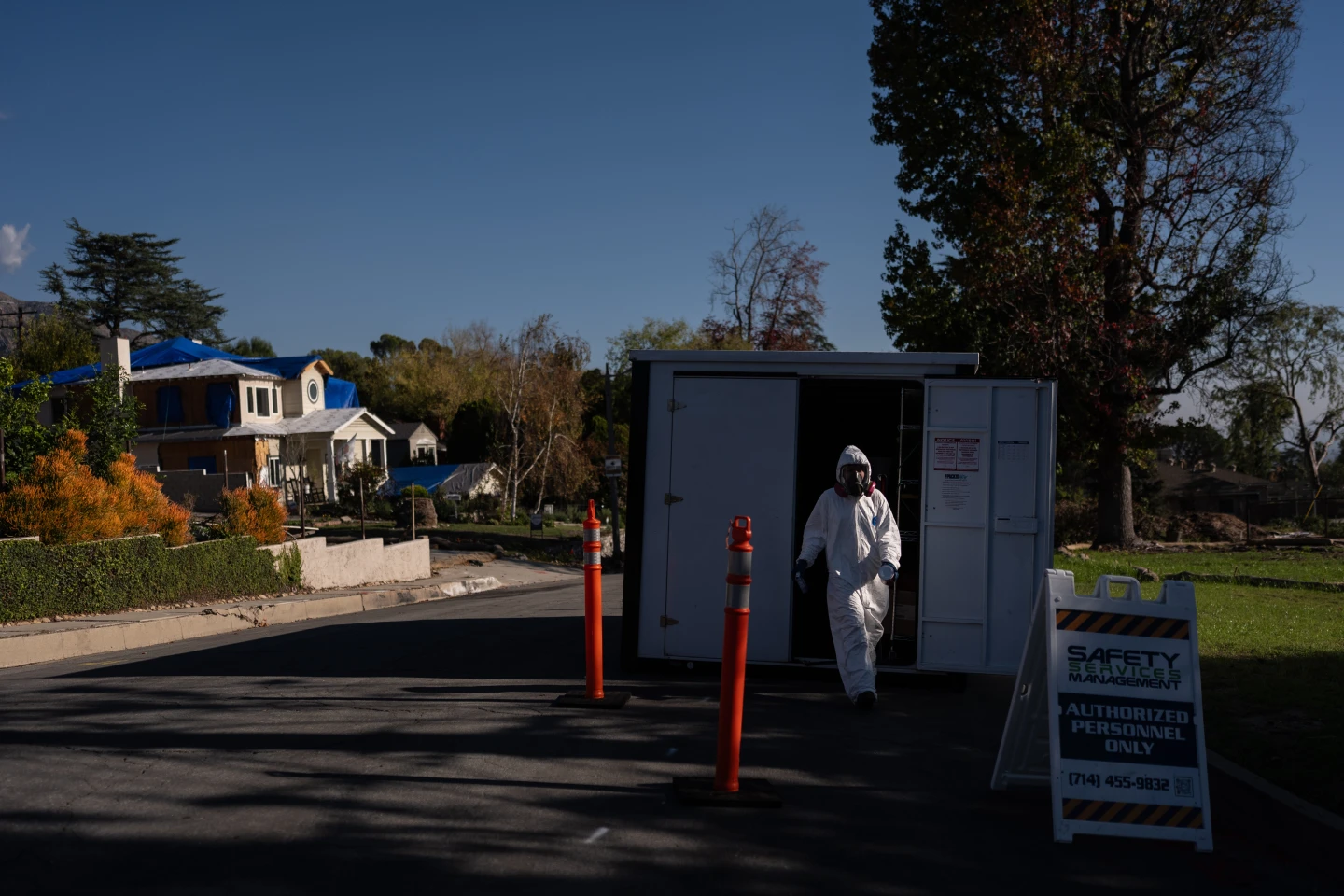
After the wildfires in January 2025, which decimated nearly 17,000 structures in Los Angeles, many Altadena residents are still in shock as they are forced to return to homes laced with toxic ash containing heavy metals, asbestos, and various contaminants. House cleaners and homeowners don protective gear while cleaning the remnants of smoke and soot.
Recent reports show an alarming prevalence of lead contamination among homes affected by the Eaton Fire. Testing revealed that six out of ten homes still harbor dangerous levels of cancer-causing asbestos, lead, or both. The situation is particularly severe for homes built before 1979, when lead paint was common.
Residents like Nina and Billy Malone have experienced health issues since moving back into their home, where they found toxic levels of lead remaining despite professional cleanings. They've been forced back home due to insurance restrictions and face ongoing health-related challenges related to their exposure.
Experts warn of long-term health effects associated with lead and other toxic substances. Lead exposure is particularly dangerous for young children and pregnant individuals, prompting a call for further investigation and mitigation efforts.
As the community continues to navigate the challenges of rebuilding and mitigation, many fear they will remain in a contaminated environment without the necessary support from insurers and the government. The struggle for safety has taken a pronounced psychological toll on families, who are not just battling physical contamination but also the mental repercussions of living in a precarious situation.
Julie Lawson, who recently paid out of pocket for extensive testing, emphasizes the importance of thorough remediation processes, stating, “We have to live in the scar. This isn’t over for us.”