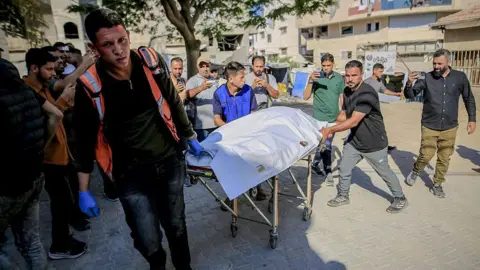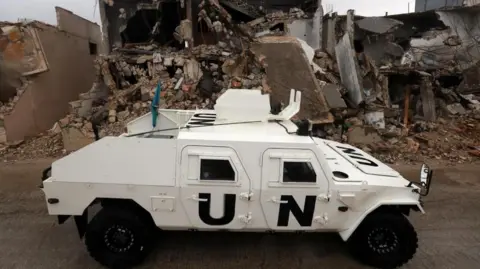
In a tragic incident highlighting the dangers faced by peacekeeping forces, two Indonesian peacekeepers were killed in southern Lebanon on Monday when an explosion of unknown origin destroyed their vehicle. A third peacekeeper was severely injured, while a fourth sustained injuries, as reported by the United Nations Interim Force in Lebanon (Unifil).
This event marks the second loss for Indonesia's peacekeeping unit within a mere 24 hours; another Indonesian peacekeeper was killed late Sunday night due to another explosive incident in Adchit Al Qusayr, also of undetermined origin. In light of these events, Unifil has initiated investigations to shed light on the circumstances surrounding these incidents.
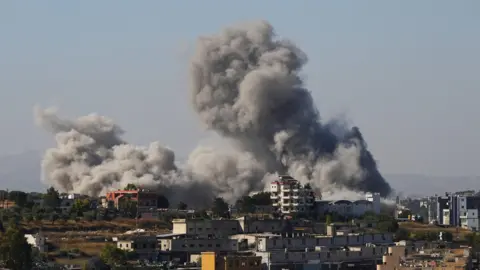
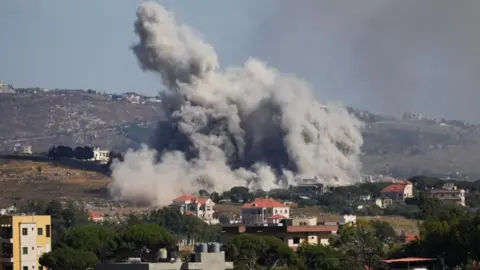
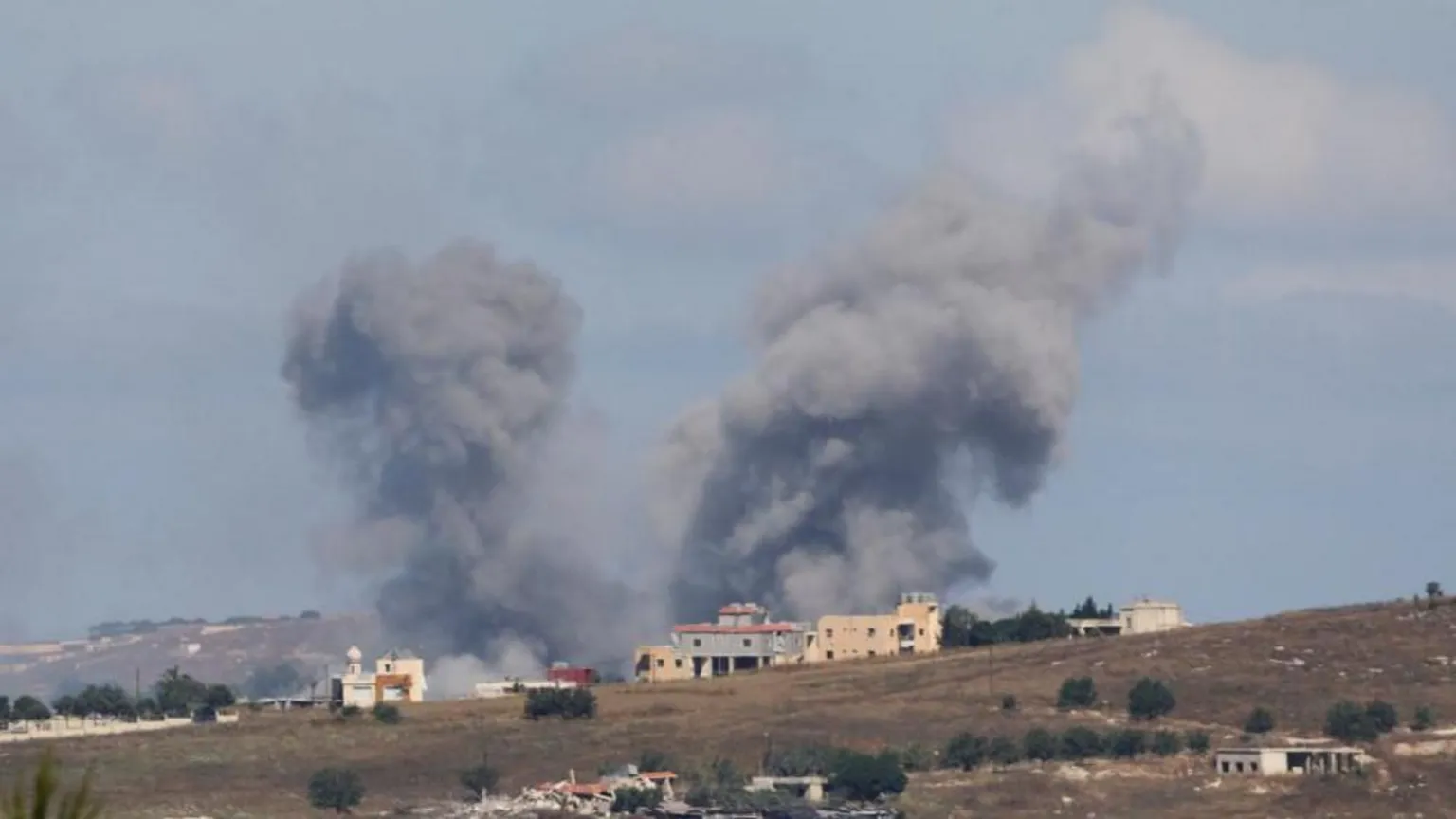
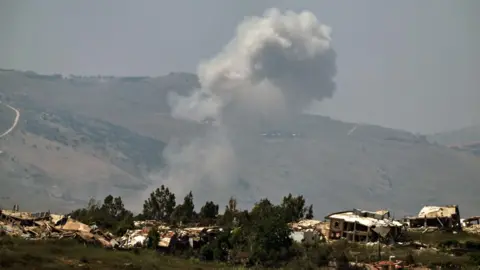
The fatalities come at a time of escalating violence in the region, specifically following the Israeli military's announcement to increase ground and air operations against Hezbollah, the Iranian-backed Lebanese group, which has been retaliating by firing rockets into Israel.
Unifil expressed its condolences, emphasizing the brave service of the fallen peacekeepers in their commitment to peace. The organization underlined that all involved parties have an obligation to ensure the safety of UN personnel and regarded deliberate attacks on peacekeepers as severe violations of international humanitarian law. They reiterated the urgent need to end the violence, stating, 'The human cost of this conflict is far too high.'
Unifil has been operating since 1978 to maintain peace between Israel and Lebanon, with the peacekeepers patrolling the 'Blue Line'—the de facto border between the two nations—in collaboration with the Lebanese army. Tragically, around 339 peacekeepers have lost their lives since the mission's inception.
Despite a ceasefire brokered in November 2024 aimed at mitigating conflicts following violence stemming from the war in Gaza, tensions remain high, with Israel conducting frequent strikes against Hezbollah positions. Such ongoing violence raises critical concerns regarding the fragile peace and the safety of civilians and international personnel in the region.