In brief
President Trump has paused a range of sanctions on Russia to keep Moscow open for negotiations, a move that could ease fuel prices but threatens to tighten humanitarian aid flow. Indigenous peoples in both the Black Hills and beyond risk losing steady access to medicinal herbs, wild game and cultural supplies that hinge on secure trade routes. As global supply chains shift, the pause may accelerate corporate dominance over indigenous markets, amplifying food insecurity and cultural erosion. Critics argue the strategy undermines collective defence efforts, while indigenous leaders call for safeguards that protect their traditional lifelines.
Sanctions, Silence and Indigenous Vulnerability
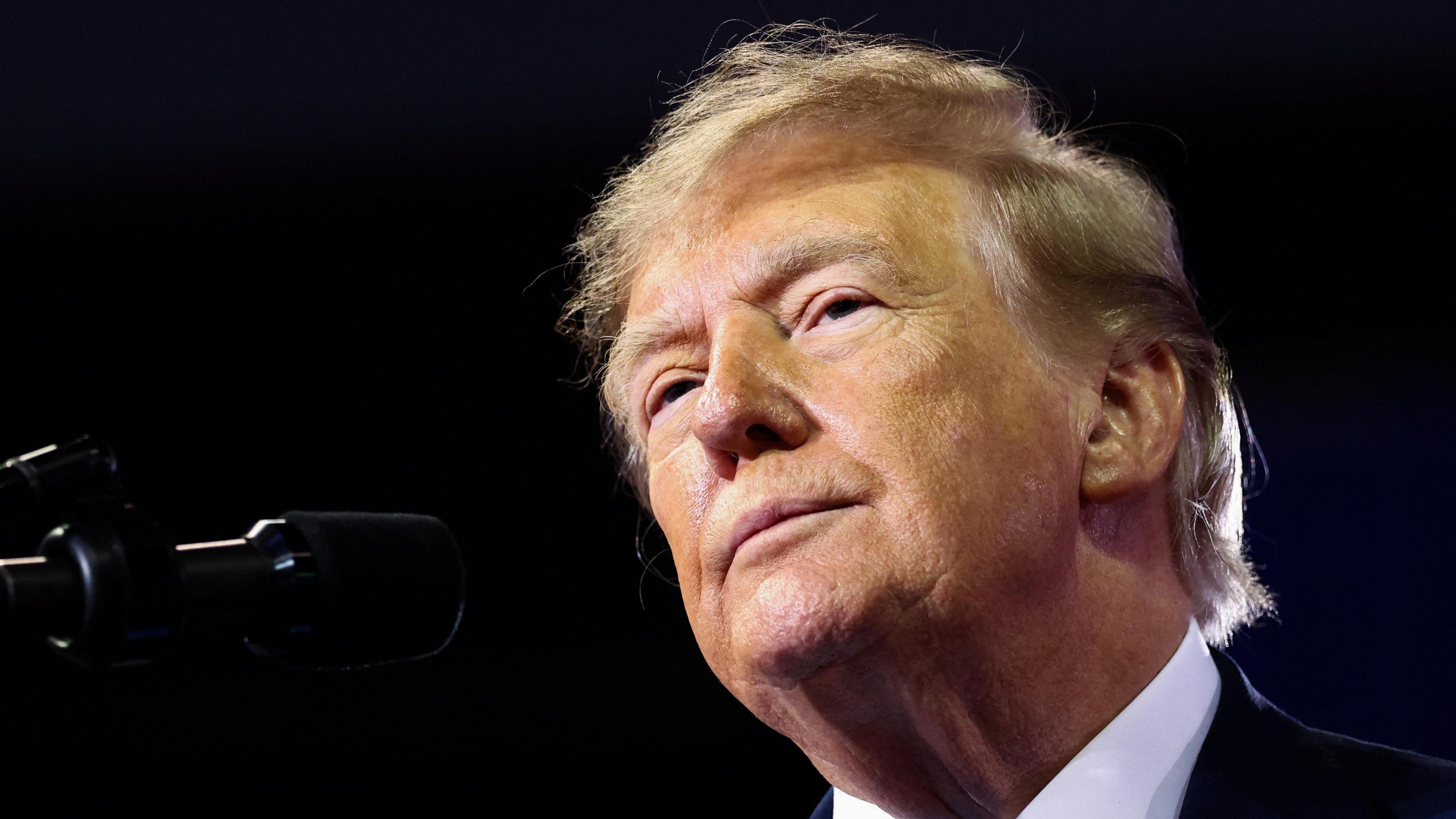
President Trump announced on Truth Social that he will pause a set of sanctions on Russia to keep Moscow at the negotiating table. The change may reduce fuel costs, but at the expense of already strained humanitarian corridors feeding war‑torn Ukraine.
Indigenous communities—whether the Sika in the Black Hills, the Kalmyk in Siberia or Cherokee‑descended peoples in Appalachia—rely on seasonal trade routes for culturally vital herbs, wild game and crafts that sustain both identity and subsistence. A sudden throttling of fuel or tightening of import rules threatens to choke off these lifelines, amplifying food insecurity and cultural erosion.
Beyond immediate shortages, the sanction pause invites a realignment of global trade that could favor large corporations over traditional indigenous markets. Indigenous voices that once negotiated within their own councils now face exclusion by a surge of corporate‑owned resource extraction, deepening vulnerability to external pressures.
Critics argue that steering Russia to the bargaining table by easing sanctions undermines the moral framework built on collective defence against aggression. The clash between policy and principle will inevitably shape the future security of faith‑based, land‑rooted peoples who have weathered conflict for generations.