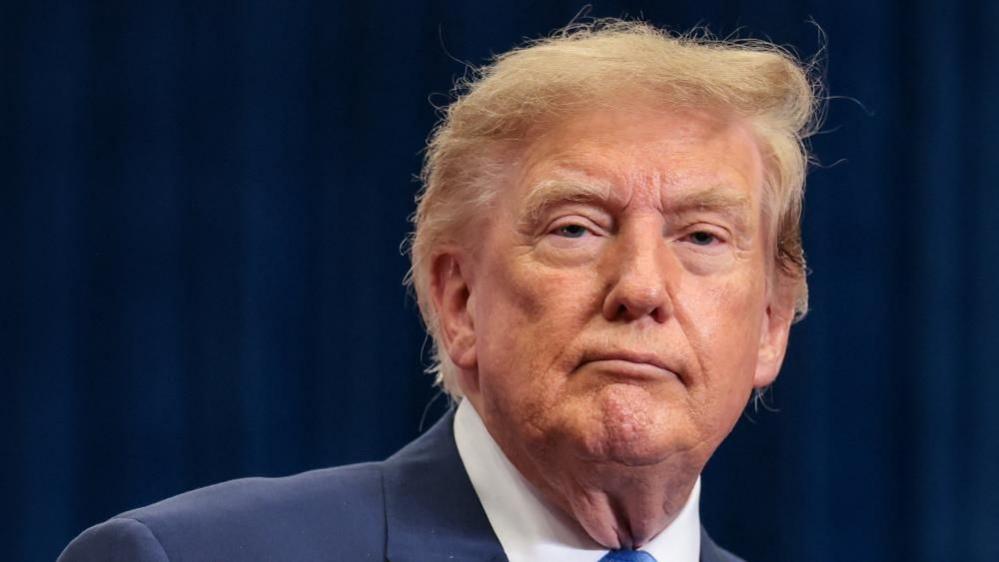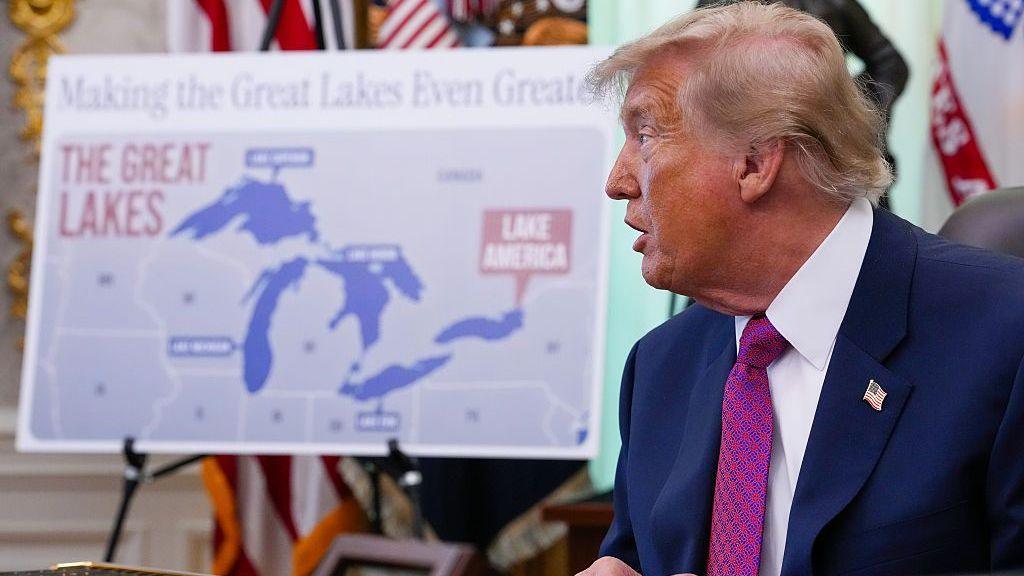
In a recent interview, US President Donald Trump threatened to fire Federal Reserve Chair Jerome Powell if he does not resign at the end of his term in May.
This confrontation is fueled by a bitter dispute over Powell's refusal to cut interest rates, which Trump has campaigned for repeatedly. Although Powell's term officially ends on May 15, he plans to remain until his successor, Kevin Warsh, is confirmed by the Senate.
Then I'll have to fire him, Trump stated when asked about Powell's intentions during an appearance on Fox Business. He went on to admit, I've held back firing him. I've wanted to fire him, but I hate to be controversial.
Senator Thom Tillis has indicated potential roadblocks to Warsh's confirmation, stating he might block it unless a criminal investigation linked to Powell is dropped. Despite this, Powell maintains he will stay in the role as necessary; That's what the law calls for. That's what we've done on several occasions, he said.
Trump's threats against Powell have echoed throughout his presidency, previously labeling Powell a knucklehead and advocating for aggressive stimulus through interest rate reductions. If he carries out the threat to dismiss Powell, it would mark a significant departure from Federal Reserve tradition, as no sitting chair has ever been fired.
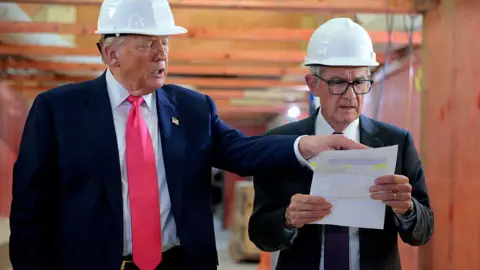
Compounding the tensions, Trump has been critical of the costs associated with recent renovations of the Federal Reserve building, alleging wasteful spending under Powell's watch, which has deepened his frustrations. The situation continues to evolve as public discourse around the Federal Reserve's independence intensifies, prompting considerable market reactions and discussions on economic policy further exacerbated by the political climate.