In brief
Three American men sentenced to death in the Democratic Republic of Congo for an attempted coup have returned to the United States following a clemency decision by Congolese officials. Their return follows diplomatic discussions highlighting Congo's mineral wealth and ongoing security challenges.
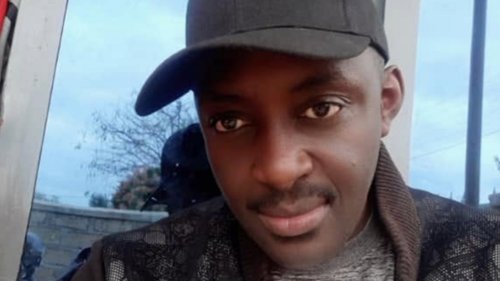
In a significant diplomatic development, three American citizens—Marcel Malanga, Tyler Thompson, and Benjamin Zalman-Polun—have been repatriated to the United States after receiving clemency for their involvement in a failed coup attempt in the Democratic Republic of Congo (DRC) last May. Their sentences, originally death penalties, were commuted to life imprisonment by Congolese officials before their return on April 9, 2025.The news of their release comes amid ongoing discussions about the DRC's vast mineral wealth and the security challenges posed by armed groups, including M23, which is backed by Rwanda. The American men were among 37 individuals sentenced following violent clashes near the presidential palace during an attack on the Congolese government.A spokeswoman for the Congolese presidency, Tina Salama, confirmed the men's transfer via photographs showing them boarding a plane. The U.S. State Department has acknowledged their arrival, stating, "they’re in our custody," while details regarding their imprisonment in the United States remain unconfirmed.The return of the three Americans coincides with a recent diplomatic visit from U.S. officials, during which DRC President Felix Tshisekedi discussed potential partnerships surrounding the country's rich resources, essential for renewable energy transition. The U.S. has emphasized the importance of cobalt and other critical minerals, crucial for modern technology and energy solutions.Marcel Malanga's involvement has been a subject of dispute; he has claimed he was coerced into participating while visiting his father, a politician and leader of the coup attempt, who was killed during the clashes. His companion, Tyler Thompson, was present as a friend, while Benjamin Zalman-Polun reportedly had business ties with the coup leader.As the DRC continues to combat territorial instability amidst calls for international support, the implications of this case highlight the intricate dynamics between U.S. foreign policy and local governance in the region. The situation underscores the complex intertwining of human rights, diplomacy, and resource management within the broader context of Congo’s socio-political landscape.