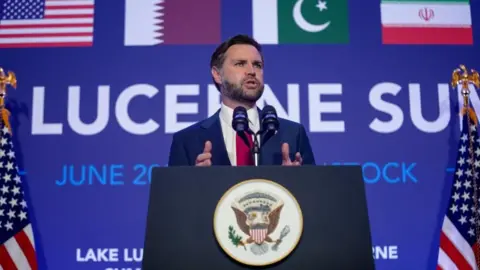
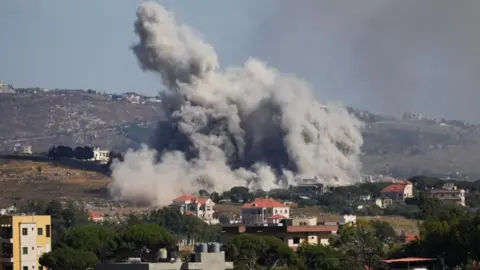
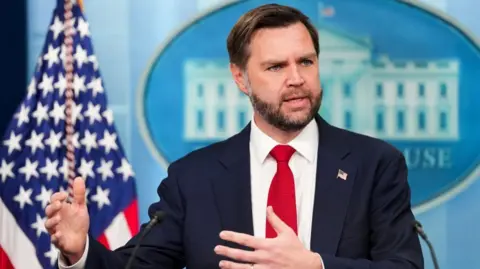
President Donald Trump delivered a primetime address outlining the US's position in the ongoing military operation against Iran, claiming that the 'core strategic objectives' are nearing completion. He projected the conflict would persist for another few weeks, yet his address was considered a reiteration of his previous statements surrounding the war. Trump's threats of catastrophic consequences for Iran were emphasized, alongside his assurances to Americans that the war is a necessary investment.
Despite the proclamations, the address did not address critical questions regarding the future of the military engagement, particularly the role of US troops deployed to the region, which added to the growing public unease surrounding the operations.
While Trump aimed to reassure the public about the legitimacy and necessity of the conflict, polls indicate a significant portion of Americans disapprove of the military actions taken since February. The president touted historical references, comparing the current situation to past US military endeavors that extended for far longer.
However, many in the public and political spheres are left wanting more explicit solutions and exit strategies, with key aspects of the conflict remaining unarticulated. Notably absent were discussions on the 15-point peace plan previously offered to Iran, leaving observers questioning the administration's current diplomatic stance.
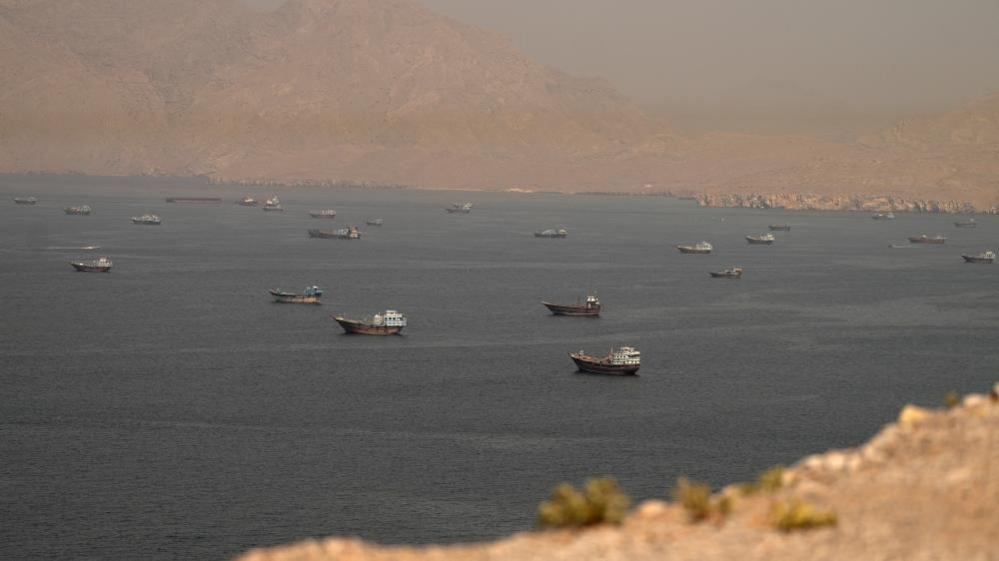
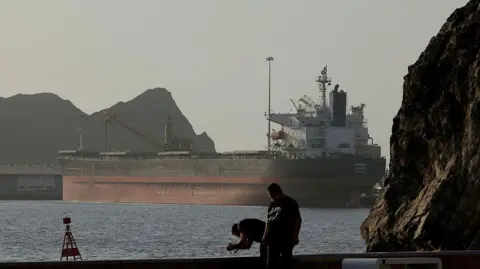
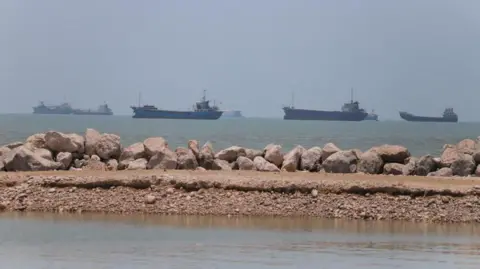
Additionally, Trump's comments regarding the Strait of Hormuz—plagued by tensions and blockades due to Iranian actions—lacked firmness, with him alternating between urging allies to manage access and asserting that normalcy would return post-conflict.
As the conflict drags on and with rising gas prices putting financial pressure on American households, Trump's approval ratings are on a decline, creating an urgency within his administration to define clear objectives and outcomes concerning the Iran war.
Despite the proclamations, the address did not address critical questions regarding the future of the military engagement, particularly the role of US troops deployed to the region, which added to the growing public unease surrounding the operations.
While Trump aimed to reassure the public about the legitimacy and necessity of the conflict, polls indicate a significant portion of Americans disapprove of the military actions taken since February. The president touted historical references, comparing the current situation to past US military endeavors that extended for far longer.
However, many in the public and political spheres are left wanting more explicit solutions and exit strategies, with key aspects of the conflict remaining unarticulated. Notably absent were discussions on the 15-point peace plan previously offered to Iran, leaving observers questioning the administration's current diplomatic stance.
Additionally, Trump's comments regarding the Strait of Hormuz—plagued by tensions and blockades due to Iranian actions—lacked firmness, with him alternating between urging allies to manage access and asserting that normalcy would return post-conflict.
As the conflict drags on and with rising gas prices putting financial pressure on American households, Trump's approval ratings are on a decline, creating an urgency within his administration to define clear objectives and outcomes concerning the Iran war.