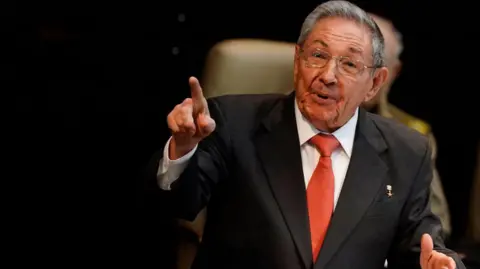
The US justice department is reportedly preparing to indict aging Cuban leader Raúl Castro in the coming days over the shooting down of two aircraft three decades ago. The reported charges, which would need to be approved by a US grand jury, emerged as the director of the CIA travelled to Cuba to meet officials in Havana.
Castro, 94, stepped down as the Cuban Communist Party leader in 2021, ending his family's more than half a century in power. He led the country for 15 years, stepping in after his brother, Fidel, resigned. The potential indictment is the latest move in a US pressure campaign that has included an oil blockade and widespread sanctions.
The charges are said to center on the 1996 downing of two planes operated by the US activist-humanitarian group Brothers to the Rescue. Unnamed US Department of Justice (DoJ) officials told US media that the indictment could come as soon as next Wednesday.
President Donald Trump commented, saying he'll let the DoJ comment on the indictment but added that Cubans need help as the country is in decline. He reiterated the US's harsh approach to Cuba, including an oil blockade that has exacerbated the island's existing shortages.
The indictment is connected to the events of February 24, 1996, when two planes were downed, killing four people onboard. Brothers to the Rescue, a Cuban exile group, had previously violated airspace by dropping anti-Castro leaflets near the Cuban coast.
Cuban government officials have claimed that the planes were in violation of airspace, although subsequent investigations indicated the tragic incident occurred over international waters.
In March, Florida's attorney general announced the reopening of an investigation into Raúl Castro's actions at the time of the incident, with Governor Ron DeSantis labeling the impending charges as 'long overdue.'
Despite the pressure from the US government regarding the planned indictment, Cuba has maintained a stance of defiance against US sanctions and threats.
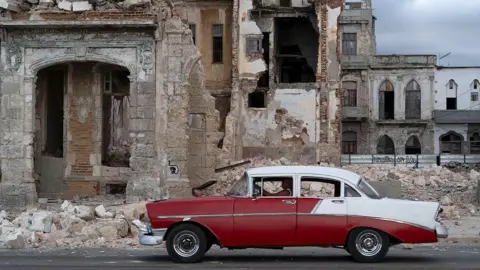
The indictment points to an enduring and complex narrative of US-Cuba relations, which has seen various political maneuvers over decades. Observers suggest that any actions escalating this situation could lead to a humanitarian crisis, as a collapsing Cuban economy may provoke further migration crises towards the US.
Castro, 94, stepped down as the Cuban Communist Party leader in 2021, ending his family's more than half a century in power. He led the country for 15 years, stepping in after his brother, Fidel, resigned. The potential indictment is the latest move in a US pressure campaign that has included an oil blockade and widespread sanctions.
The charges are said to center on the 1996 downing of two planes operated by the US activist-humanitarian group Brothers to the Rescue. Unnamed US Department of Justice (DoJ) officials told US media that the indictment could come as soon as next Wednesday.
President Donald Trump commented, saying he'll let the DoJ comment on the indictment but added that Cubans need help as the country is in decline. He reiterated the US's harsh approach to Cuba, including an oil blockade that has exacerbated the island's existing shortages.
The indictment is connected to the events of February 24, 1996, when two planes were downed, killing four people onboard. Brothers to the Rescue, a Cuban exile group, had previously violated airspace by dropping anti-Castro leaflets near the Cuban coast.
Cuban government officials have claimed that the planes were in violation of airspace, although subsequent investigations indicated the tragic incident occurred over international waters.
In March, Florida's attorney general announced the reopening of an investigation into Raúl Castro's actions at the time of the incident, with Governor Ron DeSantis labeling the impending charges as 'long overdue.'
Despite the pressure from the US government regarding the planned indictment, Cuba has maintained a stance of defiance against US sanctions and threats.
The indictment points to an enduring and complex narrative of US-Cuba relations, which has seen various political maneuvers over decades. Observers suggest that any actions escalating this situation could lead to a humanitarian crisis, as a collapsing Cuban economy may provoke further migration crises towards the US.