Ukrainian President Volodymyr Zelensky has accused Moscow of choosing 'Easter escalation' over an Easter ceasefire after Russia carried out another deadly large-scale drone and missile attack on Ukraine.
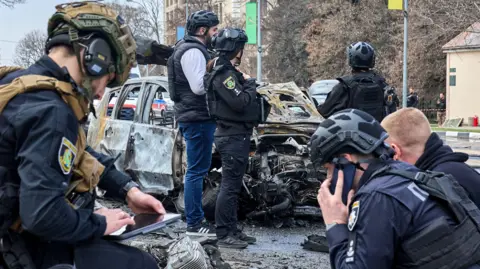
Six civilians were killed and 40 others injured as Russia launched hundreds of drones and missiles across the country.
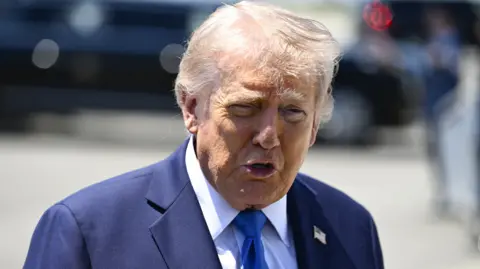
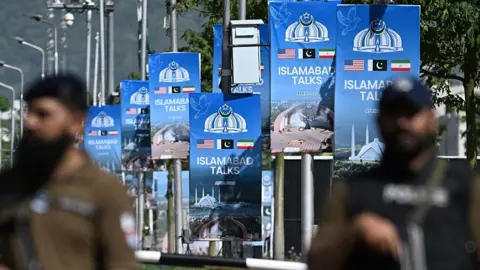
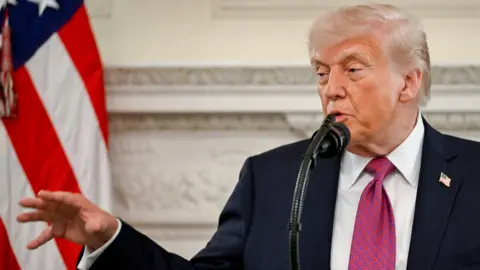
Major daytime attacks, which were once rare, have been increasing. This escalation occurs as diplomatic efforts to end the war, led by the US, have stalled since President Trump redirected focus to conflicts in the Middle East.
Despite the intensified attacks, Zelensky acknowledged a British intelligence assessment that noted the frontline in the east was currently the 'most favourable' for Ukraine in the past 10 months, due to a slowdown in Russian troop advances.
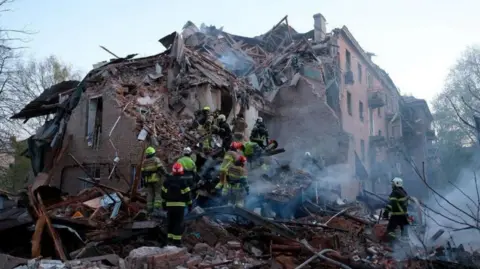
However, air raids persist, particularly devastating areas like the Zhytomyr region, where rescue operations are ongoing after destruction of homes. In Kyiv, a drone strike caused substantial damage to residential buildings and left one person dead in Kharkiv.
In lines with President Zelensky’s condemnation of Russia’s strikes, he claimed the barrage was a reaction to his proposal for a temporary truce during the Easter celebrations, which are marked next weekend by both Ukrainians and Russians.
The Russians have only intensified their strikes, turning what should have been silence in the skies into an Easter escalation, he wrote.
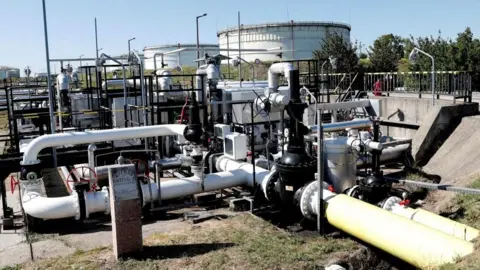
In recent days, Ukraine has responded with multiple strikes targeting Russian energy facilities, including drone attacks on ports like Ust-Luga.
Despite ongoing proposed holiday truces, Zelensky expressed doubts about Moscow's genuine interest in peace, critiquing the shifting circumstances that seem to favor Russia globally. Moreover, the situation threatens Ukraine’s operational efficiency, with concerns brewing over potential fuel shortages amid the ongoing Middle East conflict.
Ultimately, while Zelensky depicts the current frontline as stable with small territorial changes, he acknowledges the need for careful strategy moving forward amid an uncertain supply of military resources.