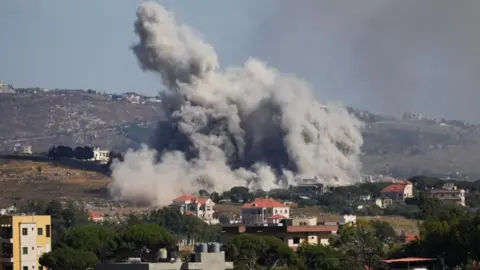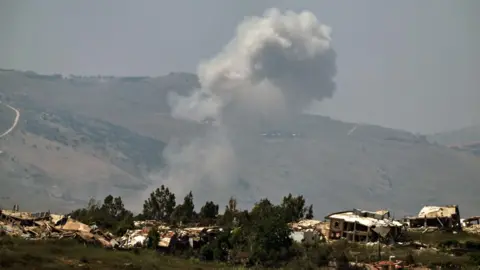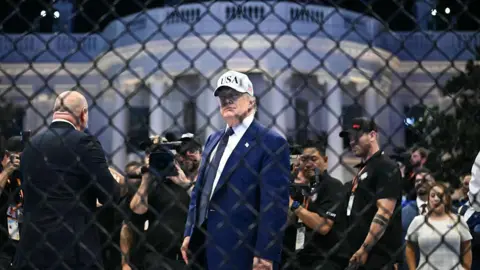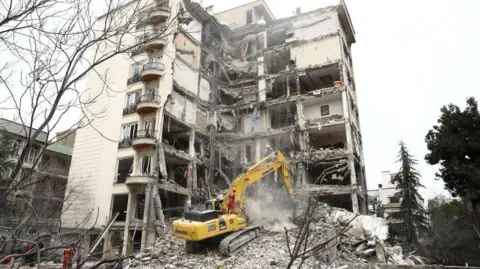
The US-Israeli attacks against Iran, coupled with Iran's responses towards its Gulf neighbors, illustrate a significant deviation from established norms surrounding the initiation and escalation of international conflicts. Recent threats by US President Donald Trump to target Iranian energy infrastructure, such as the South Pars gas field, have heightened tensions further.
These developments signal a potential erosion of the global rules-based order, which was designed to protect civilians and prevent acts of aggression unless sanctioned by the UN Security Council. Luis Moreno Ocampo, the founding chief prosecutor of the International Criminal Court, expressed that the acts being carried out against Iran could qualify as crimes of aggression, undermining established international law.
Moreno Ocampo highlighted that the bombing of civilian infrastructure, such as power plants, which are akin to similar Russian tactics in Ukraine, poses significant risks to civilian life and could further escalate the humanitarian crisis.
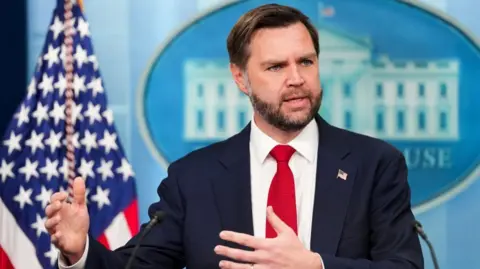
Despite the ongoing conflict, the White House remains firm in its stance, labeling Iran a terrorist regime and justifying military actions as necessary for regional security. However, critics argue that such approaches constitute a violation of international norms, adding strain to the integrity of conflict resolution mechanisms and endangering civilian populations that depend on energy supplies.
Responses from both countries have revealed a cycle of retaliation that disregards the principles of civilian protection and humanitarian law in modern warfare, which poses dire implications for the future stability of the region.