In brief
A recent report from the National Institute of Early Education Research highlights that the number of 4-year-olds enrolled in state-funded preschools has reached a record high of 1.8 million. California leads the way with its 'transitional kindergarten' program, but access to quality preschool education varies widely across the U.S. Some states, such as Hawaii, have met all educational benchmarks, while others lag behind, highlighting the challenges of equity and access in early childhood education.
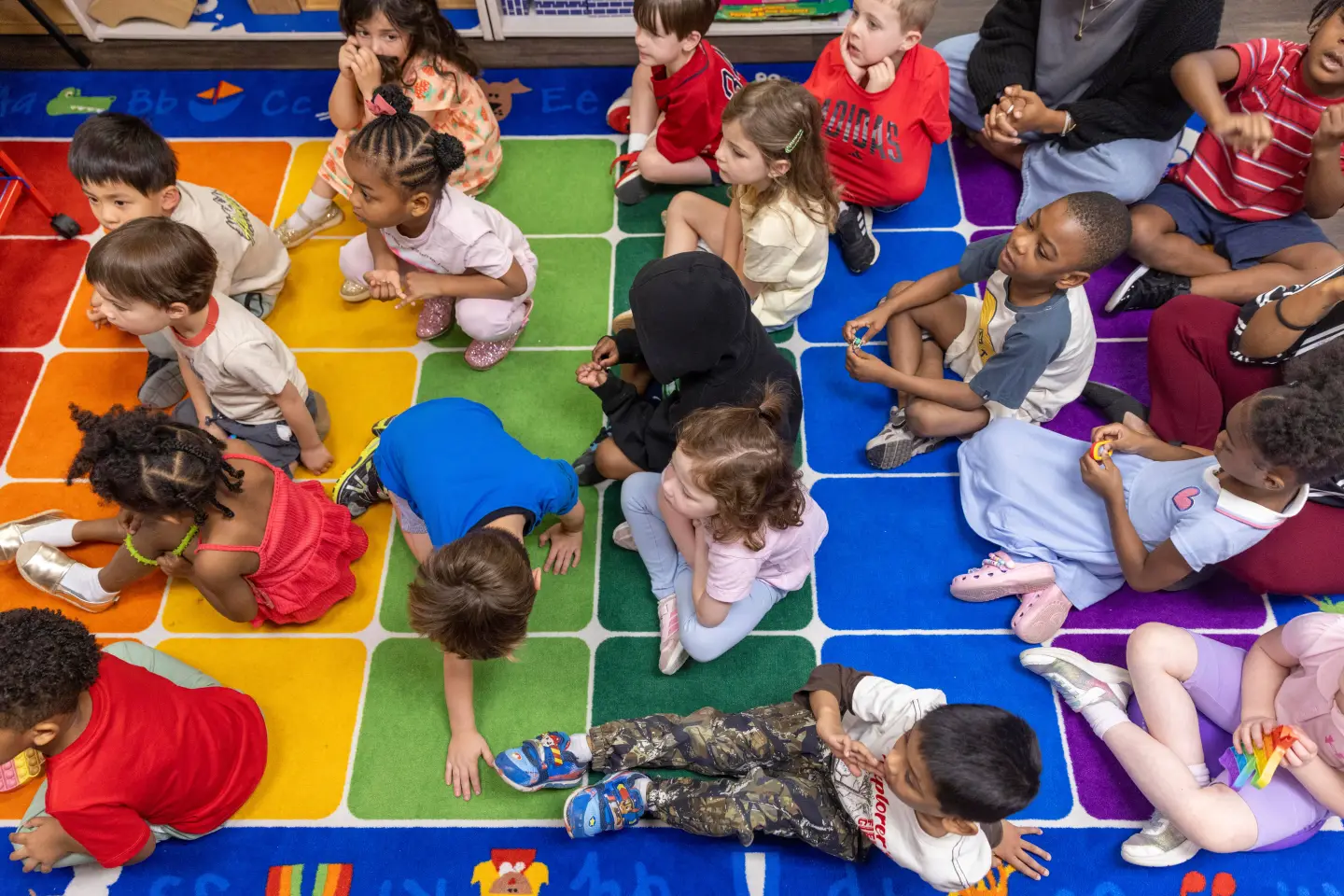
Recent findings indicate an unprecedented surge in preschool enrollment among 4-year-olds, particularly driven by states pushing for universal access and an infusion of $14.4 billion in funding. A new report published by the National Institute of Early Education Research (NIEER) outlines that enrollment in state-funded preschools reached 1.8 million, accounting for 37% of 4-year-olds in the nation. However, access remains inconsistent across states, with notable disparities in quality and availability.
California stands out by accounting for over half of the national increase, with approximately 25,000 additional students enrolled in its transitional kindergarten (TK) program this year. Despite this progress, the state met only two of the ten quality benchmarks set by NIEER for preschool education, raising concerns among educators and stakeholders regarding the quality of education that these children will receive.
While the progress is commendable, it underscores the need for ongoing improvement in quality standards, said Jessica Sawko of Children Now, emphasizing that while California is making strides, it is also facing challenges that could jeopardize private preschool providers in the state.
In stark contrast, states like Hawaii meet all of the NIEER's benchmarks but serve only about 10% of 4-year-olds. This inconsistency in access across the country highlights the systemic challenges in ensuring that quality preschool education is available to all young children.
Despite the mixed results, educators believe that early childhood education significantly impacts children's future academic and social success. Evidence suggests that high-quality preschool programs foster better preparedness for kindergarten and improvements in educational outcomes into adulthood.
Many parents are now recognizing the importance of preschool education, not just for its educational benefits, but also for its potential impact on their family's economic stability. As America grapples with rising childcare costs, more policymakers advocate for expanding free early education opportunities.
As the landscape of preschool education continues to evolve, the emphasis remains on not just enrolling more children, but ensuring they receive the high-quality education they need to thrive.