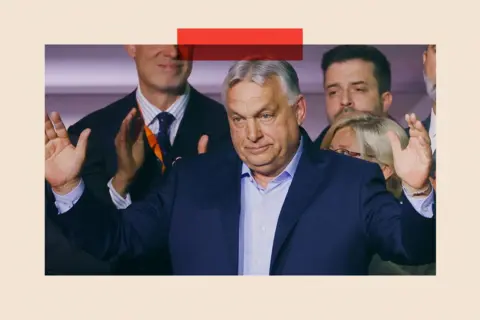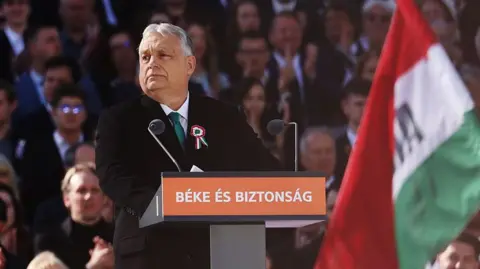
Viktor Orban's Fidesz government in Hungary stands accused of mass voter intimidation in a film released on Thursday ahead of 12 April parliamentary elections, in which the ruling party is trailing in the opinion polls.
The Price of the Vote documentary film, which aired on Thursday evening at a Budapest cinema and on YouTube, presents the results of a six-month investigation by independent filmmakers and reporters.
In the film, voters, mayors, former election officials, and a police officer claim that large sums of money and even illegal drugs are being offered to pressure people to vote for Fidesz.
Fifty-three of Hungary's 106 individual constituencies and up to 600,000 voters are targeted, the film alleges – potentially 10% of the expected turnout of six million.
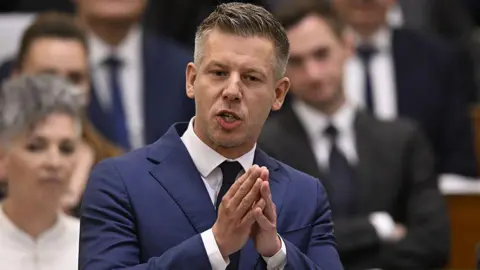
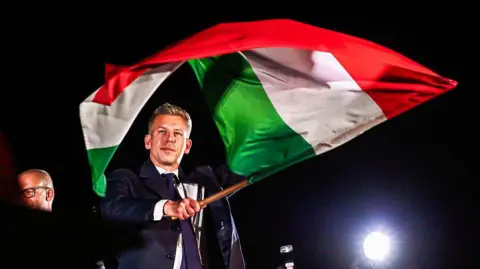
After 16 years of Fidesz rule under Orban, most recent polls indicate that the party is trailing Peter Magyar's centre-right opposition party Tisza by at least that margin.
All the constituencies involved are rural or small-town communities, increasingly dominated by Fidesz since 2010. The film portrays a rural Hungary made up of a patchwork of poor villages, home especially to the country's large Roma minority.
Local mayors exercise an iron grip over daily lives, providing work, firewood, transport to polling stations, and, in one case, even access to medicine, in exchange for the correct vote on election day, according to claims made in the film.
The filmmakers conclude that the action is planned by senior Fidesz officials. In the beginning, we thought the key piece of this process is vote-buying. But then we realized that the money is just the icing on the cake. The key word here is dependency and vulnerability, Aron Timar, one of the filmmakers, told the BBC.
For voters offered money, the amount typically mentioned is about 50-60,000 forints (£110-£133) per vote, a significant sum in communities living in poverty. Practices alleged by characters in the film include providing cars and minibuses on election day, secret monitoring of voting slips to ensure adherence to party lines, and coercive tactics involving local healthcare and welfare services.
With the election looming, the film's revelations have sparked a debate about the integrity of the electoral process in Hungary, where previous allegations of vote buying have not been on such a scale. As citizens prepare to head to the polls, concerns grow over the implications of these tactics on Hungary’s democracy.
The Price of the Vote documentary film, which aired on Thursday evening at a Budapest cinema and on YouTube, presents the results of a six-month investigation by independent filmmakers and reporters.
In the film, voters, mayors, former election officials, and a police officer claim that large sums of money and even illegal drugs are being offered to pressure people to vote for Fidesz.
Fifty-three of Hungary's 106 individual constituencies and up to 600,000 voters are targeted, the film alleges – potentially 10% of the expected turnout of six million.
After 16 years of Fidesz rule under Orban, most recent polls indicate that the party is trailing Peter Magyar's centre-right opposition party Tisza by at least that margin.
All the constituencies involved are rural or small-town communities, increasingly dominated by Fidesz since 2010. The film portrays a rural Hungary made up of a patchwork of poor villages, home especially to the country's large Roma minority.
Local mayors exercise an iron grip over daily lives, providing work, firewood, transport to polling stations, and, in one case, even access to medicine, in exchange for the correct vote on election day, according to claims made in the film.
The filmmakers conclude that the action is planned by senior Fidesz officials. In the beginning, we thought the key piece of this process is vote-buying. But then we realized that the money is just the icing on the cake. The key word here is dependency and vulnerability, Aron Timar, one of the filmmakers, told the BBC.
For voters offered money, the amount typically mentioned is about 50-60,000 forints (£110-£133) per vote, a significant sum in communities living in poverty. Practices alleged by characters in the film include providing cars and minibuses on election day, secret monitoring of voting slips to ensure adherence to party lines, and coercive tactics involving local healthcare and welfare services.
With the election looming, the film's revelations have sparked a debate about the integrity of the electoral process in Hungary, where previous allegations of vote buying have not been on such a scale. As citizens prepare to head to the polls, concerns grow over the implications of these tactics on Hungary’s democracy.