In brief
More than 40 polar scientists are urging governments to abandon geoengineering techniques aimed at combating climate change in the Arctic and Antarctic. They warn such methods pose severe environmental threats and could distract from necessary fossil fuel reductions. The scientists argue that genuine efforts to achieve net-zero emissions are the only viable path to combat climate change robustly.
Plans to fight climate change by manipulating the Arctic and Antarctic environment are dangerous, unlikely to work and could distract from the need to ditch fossil fuels, dozens of polar scientists have warned.
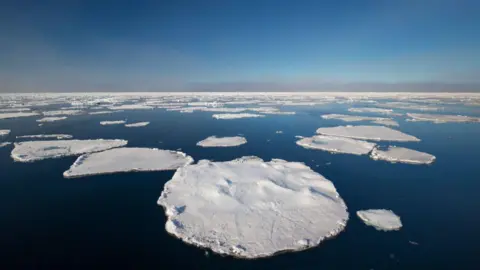
These polar geoengineering techniques aim to cool the planet in unconventional ways, such as artificially thickening sea-ice or releasing tiny, reflective particles into the atmosphere.
They have gained attention as potential future tools to combat global warming, alongside cutting carbon emissions.
But more than 40 researchers say they could bring severe environmental damage and urged countries to simply focus on reaching net zero, the only established way to limit global warming.
Geoengineering - deliberately intervening in the Earth's climate system to counter the impacts of global warming - is one of the most controversial areas of climate research.
Some types are widely accepted - removing planet-warming carbon dioxide from the atmosphere via planting trees or using machines, for example, are recognised parts of net zero efforts.
Net zero means balancing the amount of planet-warming greenhouse gases produced by human activities with the amount being actively removed from the atmosphere.
But some more radical geoengineering ideas, like reflecting sunlight are dealing with the symptoms of climate change rather than the causes, said lead author Martin Siegert, professor of geosciences at the University of Exeter.
For supporters, it is worth exploring techniques which could help rein in rapidly rising temperatures, which are already bringing severe impacts for people and ecosystems around the world.
But for opponents, the risks are simply too great – particularly for the fragile polar regions, about which much remains unknown.
The scientists behind the new assessment, published in the journal Frontiers in Science, reviewed the evidence for five of the most widely discussed polar geoengineering ideas. All fail to meet basic criteria for their feasibility and potential environmental risks, they say.
With potential knock-on effects including disruption to weather patterns, concerns about governance also arise, especially in polar regions where jurisdiction can be murky.
The authors of the new assessment view these projects as so unrealistic that efforts would be better directed towards decarbonisation and polar research. They stress the need for emissions reductions as a priority, stating that geoengineering should not be considered a substitute for genuine climate action.