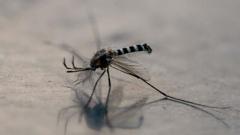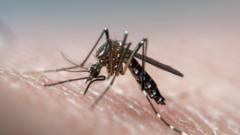
A creative scientist team from the University of California, Irvine has explored a groundbreaking approach to combat mosquito-borne diseases, including dengue, Zika, and yellow fever. Their innovative method involves rendering male mosquitoes deaf, essentially hindering their ability to seek out mates.
The study focuses on Aedes aegypti mosquitoes, notorious for spreading diseases that affect nearly 400 million people annually. Researchers found that male mosquitoes typically rely on sensitive hearing to track females by the sound of their wingbeats. By altering a specific genetic pathway related to hearing, the researchers engineered male mosquitoes that could not respond to the alluring auditory signals emitted by their potential partners.
In a controlled experiment, these genetically modified males spent three days in close quarters with female mosquitoes but failed to mate entirely. Meanwhile, wild males successfully mated multiple times, fertilizing nearly all available females. The researchers cited the complete absence of mating among the deafened males as a clear indication of the method's effectiveness.
Dr. Joerg Albert, a mosquito mating specialist from the University of Oldenburg in Germany, commented on the research's significance, emphasizing the critical role that sound plays in reproduction for these insects. He acknowledged that while this research presents a novel method of mosquito control, further studies are essential to understand its wider ecological impacts.
Current strategies to manage mosquito populations typically include releasing sterile males into disease-prone areas. While mosquitoes are often viewed as pests due to their capacity to transmit illnesses, they also serve crucial roles in the ecosystem as food for various animals and contributors to pollination. Thus, the implications of using genetic alterations for population control warrant careful consideration and study.